Greetings All!
I have been reading this forum for many years and have finally joined, now that I have some seedlings to talk about.
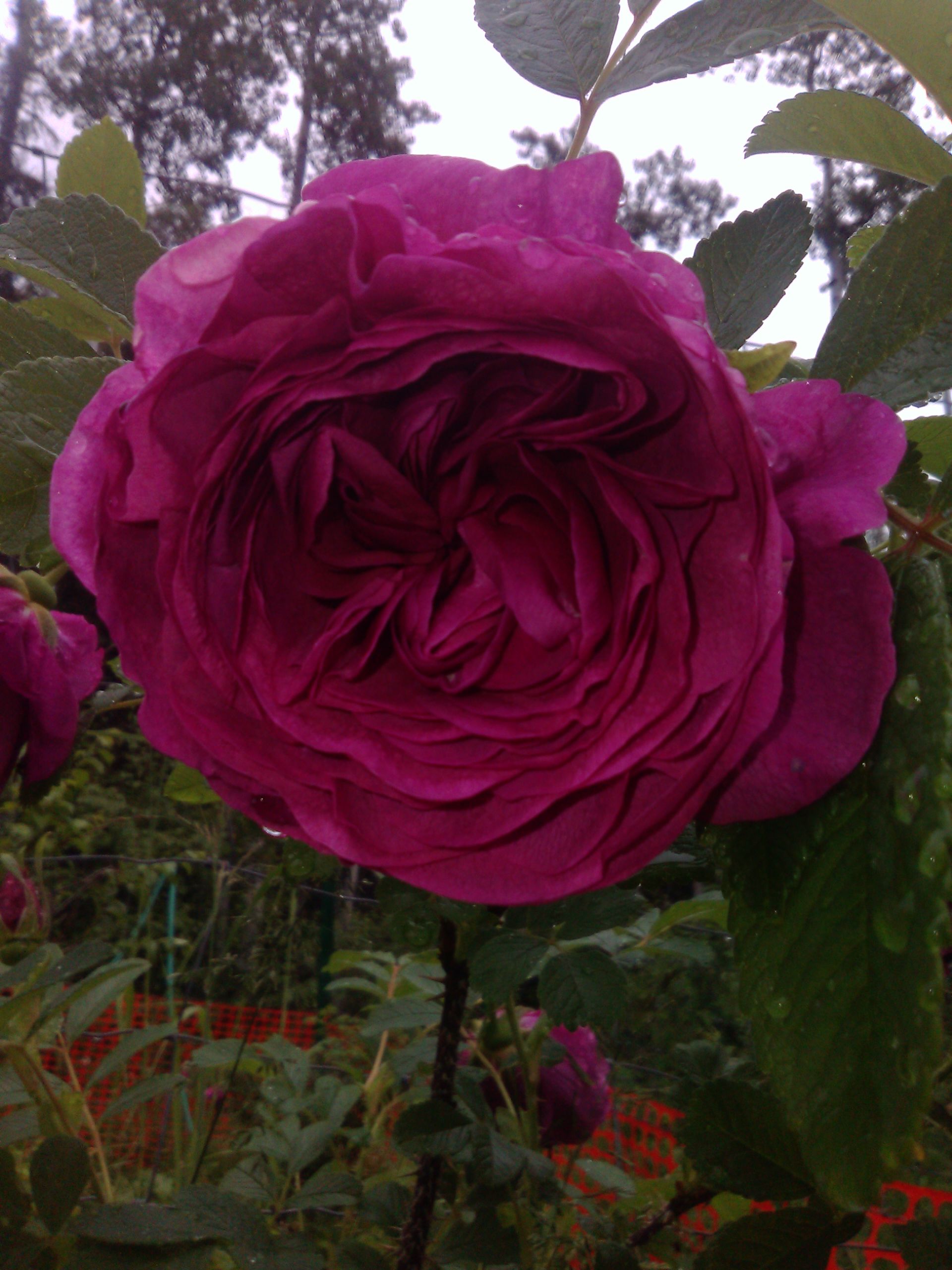
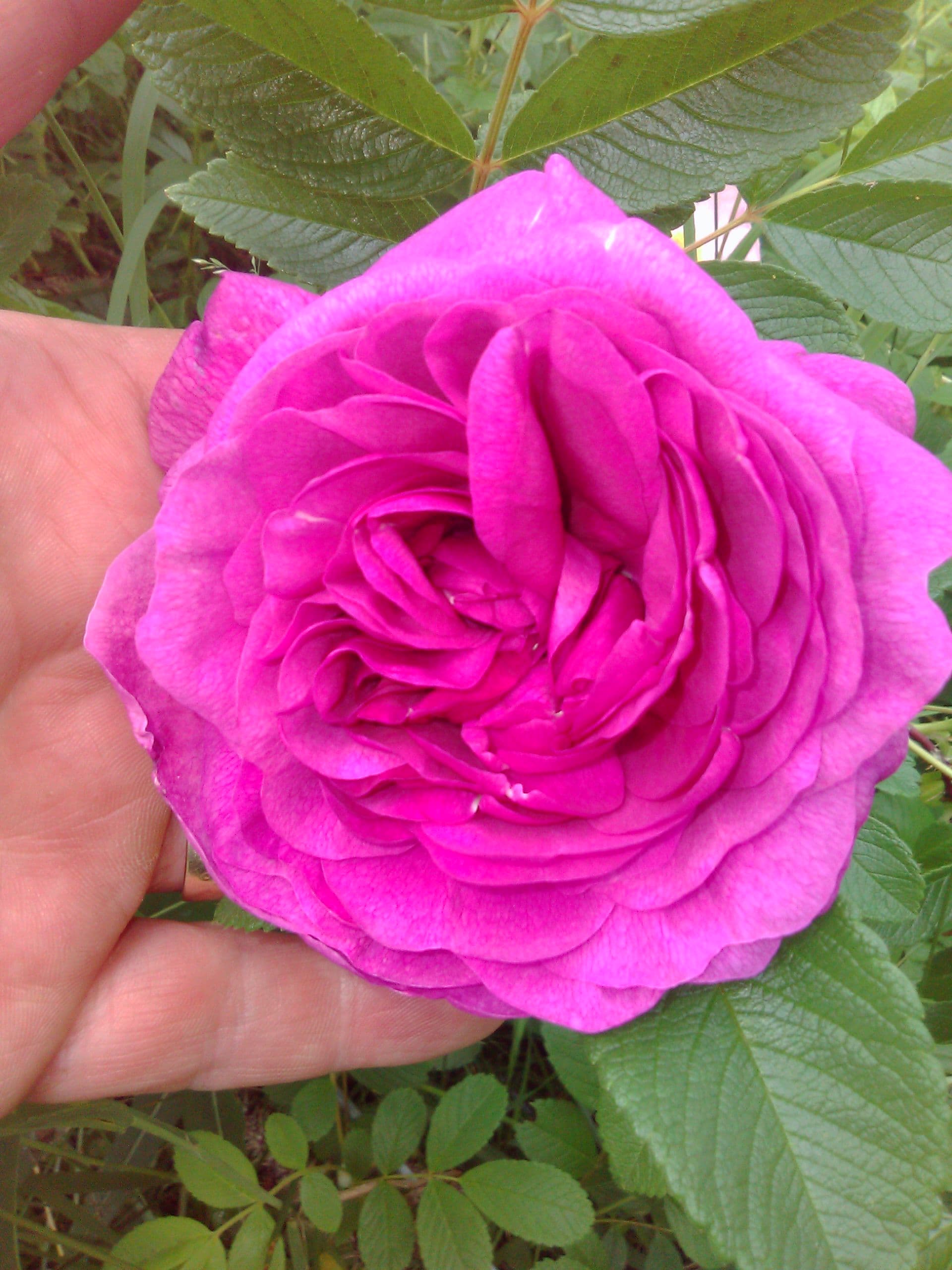
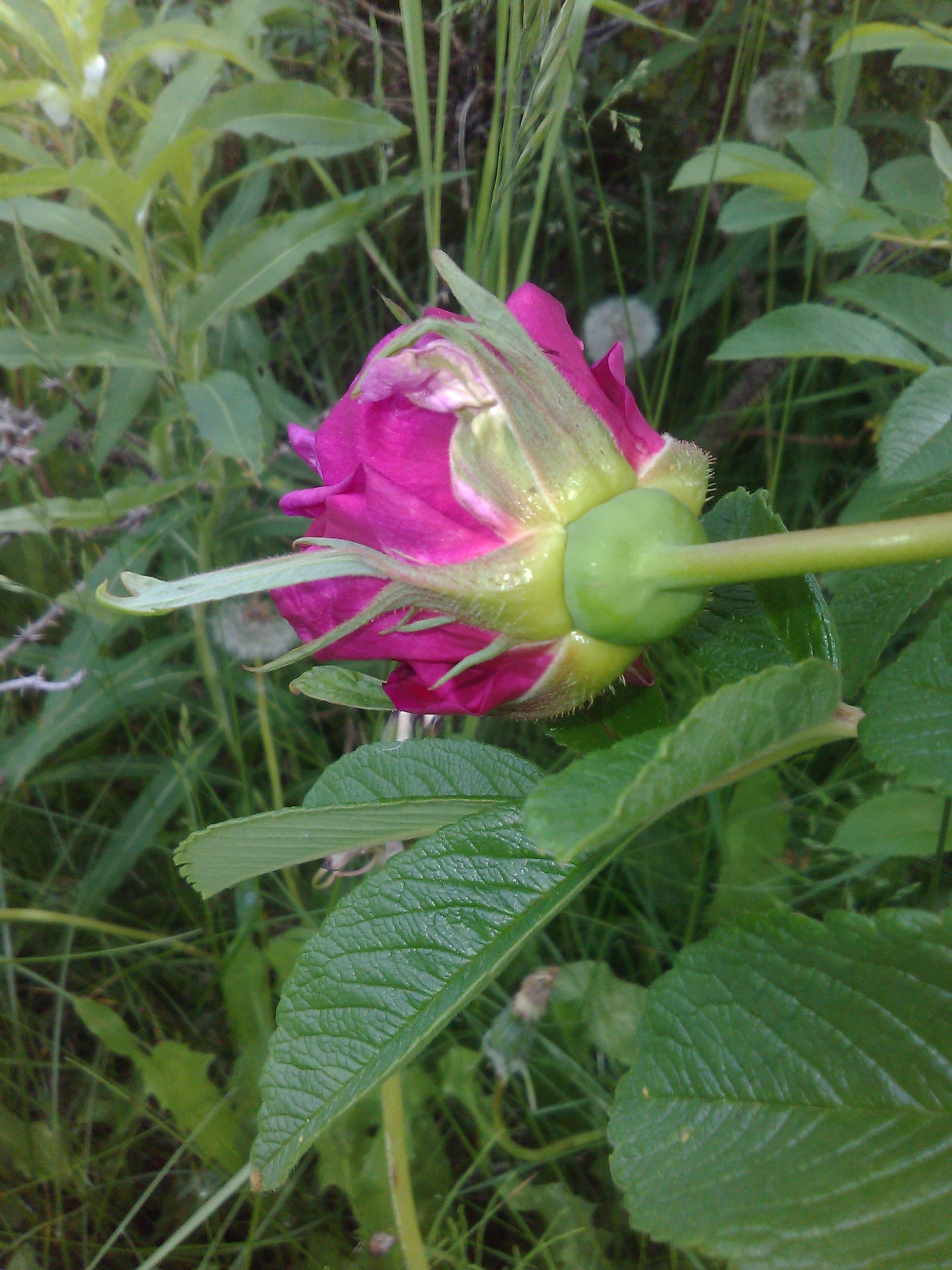
I have one in particular that I want to “show off” (I do feel a little bit like a proud father):
Therese Bugnet x OP
This seed was gathered from a municipal rose garden, so I can only speculate on the Dad. My first thought is Rose A Parfum de l’ Hay, but I do not recall this being among the dozens of named and un-named rugosas in the garden. The year this seed was gathered there were a couple of non-hardy Bourbons growing near by, as well as an un-named Autumn Damask seedling. But the rugose leaves have me thinking that Dad was probably a Rugosa hybrid.
11 Likes
Pt4
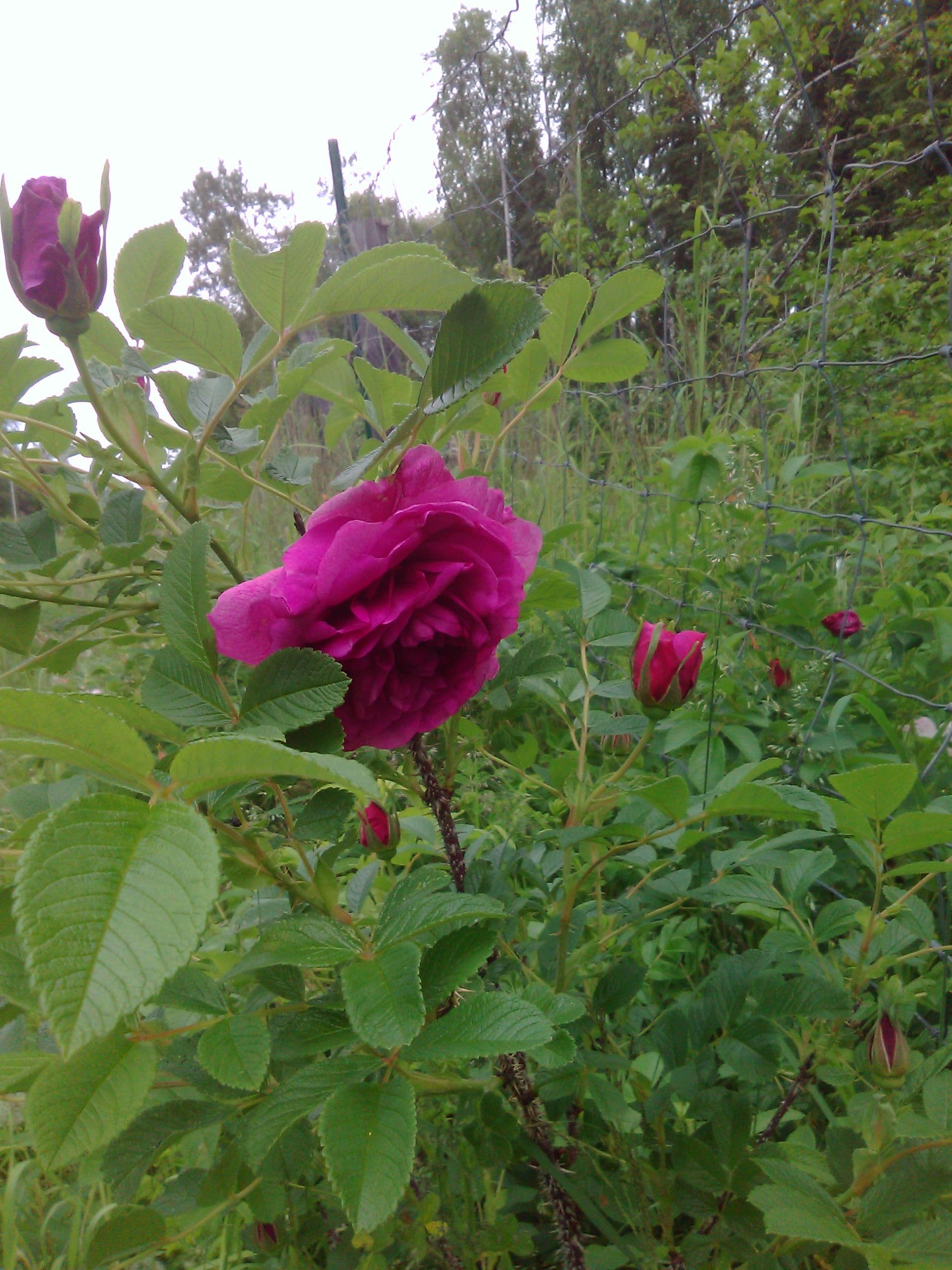
Growth is elegant (for a Rugosa):
with flowers nodding. They repeat until fall and have a delicious fragrance: a warm sweet rose and sandalwood, with a pronounced fruity note emanating from the center that is usually very lemony, but occasionally more like fruit punch.
It has been growing up through the sod competing with weeds for 10 years in my zone 3a garden with absolutely no die back. And it appears to be fertile! I have seeds in the fridge right now from a cross with Wasagaming.
The blooms seem to hold up in the rain as well or better than most rugosas, and the nodding habit tends to act like an umbrella shedding the water and saving the blooms.
This one required some patience. It is fortunate that I am such a lazy gardener as I would have shovel pruned the rose before now due to unremarkable blooms that were offered up sparingly. As a matter of fact, it wasn’t until this summer that there was anything remarkable at all about the rose, except for the fragrance. It now blooms much more than it has and the flowers are far more shapely.
I do plan to develop it more and have a couple of strategies: first one would be to cross it with other carefully chosen Rugosas: Roserie de l’Hay, Blanc Double de Cobert, Fru Dagmar Hastrup, and then back cross to this seedling.
The second strategy is to choose a couple of OGRs with little to no China influence, and cross these with a fertile Rugosa hybrid. Take the resulting triploids and cross with this rose. I currently have Alba Maxima, and Barone Prevost (probably has China in it). But I am looking for a fragrant Portland or Gallica to serve as pollen parent for the triploids. I like very double blooms but it would not be absolutely necessary for my aims. Any suggestions?
-D. Christopher McMullins
6 Likes
Welcome @ChristopherMc !
Congratulations on this extremely beautiful seedling! Wonderful blooms and foliage!
2 Likes
A very beautiful rose. Its genetics are rich. It is important to work ,try with it in all the directions that are right for you.It looks like this is your support rose. Its line will be interesting.
1 Like
Thanks for the affirmations! I’ll confess, this is the type of rose I have wanted in my garden for the last 20 years. And here it is, luck of the draw, randomly pollenated in a sea of roses, none of which (except for the non-hardy ones I mentioned) looked anything like this. I would love to take credit, but I can’t!
3 Likes
Thank you! I am hopeful that I can use this rose to develop a field of similarly old fashioned looking (and scented) Rugosas. Trial and error and strategy. But this is the fun and adventure of it.
2 Likes
If you hadn’t sown the seed it wouldn’t exist. Take your bow, man! It’s a lovely selection.
2 Likes
Thanks! It does make one wonder how many seeds that would make fabulous roses never get to even become seedlings.
2 Likes
Wonderful seedling! Welcome to the forum!
Tony
1 Like
Thanks for the welcome and the compliment!
1 Like
This rose looks exquisite and luxurious, and I love the foliage too! And foliage and shrub shape really make or break a rose for me.
It might be OP but if you hadn’t taken the time to grow it, it wouldn’t have existed.
I don’t know if you intend to be a commercial hybrizer, but I think this rose is worthy of being a variety to be sold in a nursery, for sure!
2 Likes
Thanks Pabloo120! And welcome to the forum!
I would like to become a small time commercial hybridizer, and I am currently working on some further development of this rose to create new varieties. I’m not sure of what path to take: patent the rose and hope I sell enough to recoup the costs; offer it to some nursery for distribution and let them do the patenting, or forgo patenting all together, roll up my sleeves, propagate, market, and sell? Right now I’m leaning toward the last option, but we’ll see. Right now I’m propagating it and deciding.
3 Likes
Welcome Pablo! Have you started your rose seedlings journey?
1 Like
I’m no expert in market strategies, but I’m glad you are multiplying it in the meantime, while you chose the option that better suits you!
And it looks like an interesting rose to breed from too, for sure!
1 Like
Hi James!
Well I some species rose seeds in the fridge (Rosa canina, Rosa pendulina, and Rosa villosa) that I recollected in the Spanish Pyrenees.
Aside from that, I have a single seed that came from crossing Charles de Mills with Lady Emma Hamilton, but the hip was rather unripe when I got the seed from it.
2 Likes
I love that you have collected wild seed. The species you have are the same that live in Britain (not pendulina). However I imagine they will be slightly different. Charles De Mills is one of my main mother plants at the moment. Out of over 200 seeds this year I have around 20 germinated. It’s a nice one to use as a mother as there is no need to remove the petals. It doesn’t appear to be self fertile where I am and the center is open enough to get pollen in. It means the plant can still look it’s stunning self
3 Likes
@James_D– I love the look of Charles De Mills. Have you tried this as a pollen parent with any success? I am compiling a wish list of varieties to further develop the rose pictured here.
Really beautiful! Congratulations!
1 Like