Not likely due to the timelines and space requirements, but I still fantasize about bringing a couple species roses into very modern lines of roses.
If I (on paper) want to marry traits of 2 species and obtain something recurrent, is it better to cross the species with one another first, and then do 2 more crosses with a selected seedlings of successive generations to get to remontancy, or cross both with rebloomers in the first generations and take a long-shot crap-shoot trying to get an F2 seedling that is remontant?
My impulse is towards the latter, but have seen multiple threads (as well as well-documented hybrids) in which hybridizers are doing the former – crossing the two non-remontant species right off the bat.
From my reading of the forum’s threads, I’d say it depends on which species, because chromosome-number. Most species are 2n-diploid, but many are not (and even the “nots” vary in number and breeding behaviours). The most common repeat-flowering roses available are the 4n-tetraploid Hybrid Teas, Floribundas, Austins, etc., though diploid (and triploid!) lines exist too.
Most who’ve gone the route you’re talking recommend making the species x species crosses first, then going for repeat with those hybrids, or even F2 seedlings from sibling-crosses from the species-hybrid plants.
A number of species don’t reliably cross to moderns, but the species x species cross can weaken that barrier/incompatibility.
In theory (species x modern) x (species x modern) is faster just by virtue of needing 1 less generation (a generation without juvenile bloom so potentially years saved) but may not be easier depending if whether the species accepts modern pollen (of vice versa)
the space requirements aren’t necessarily as big as you may think, I have so many species types (eg nutkana, laxa, carolina, etc) in (~1 gallon I think?…metric diameter 20cm pots) that have been grown from seed, they reach flowering age around year 3 and flower each year, they are just stunted because of the pot (they don’t get much taller than 3 to 4 foot, just have to pick them up every now and again so they don’t root into the ground and then every other year hack in roots/suckers in half and repot)….so it can be done with limited space.
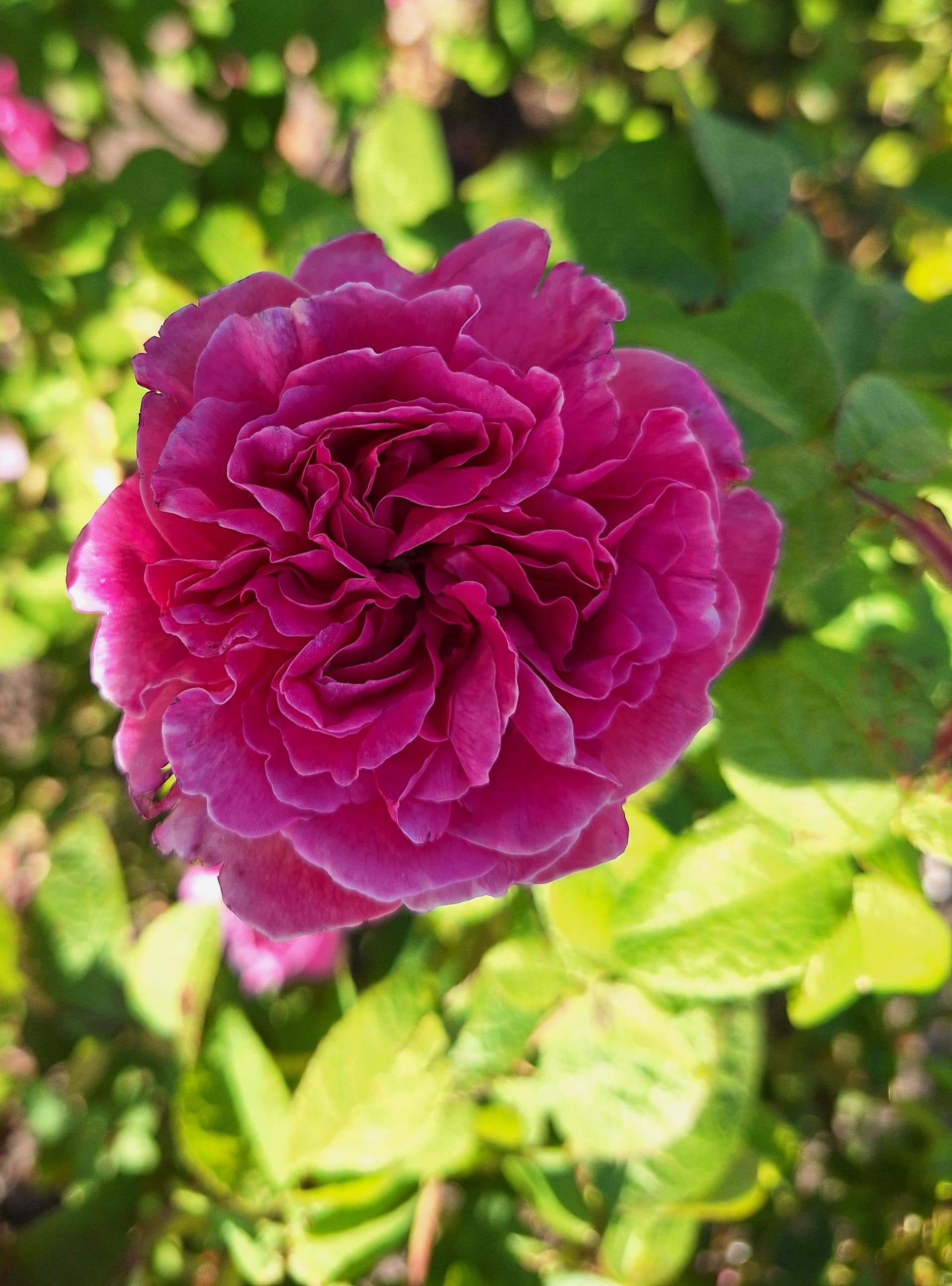
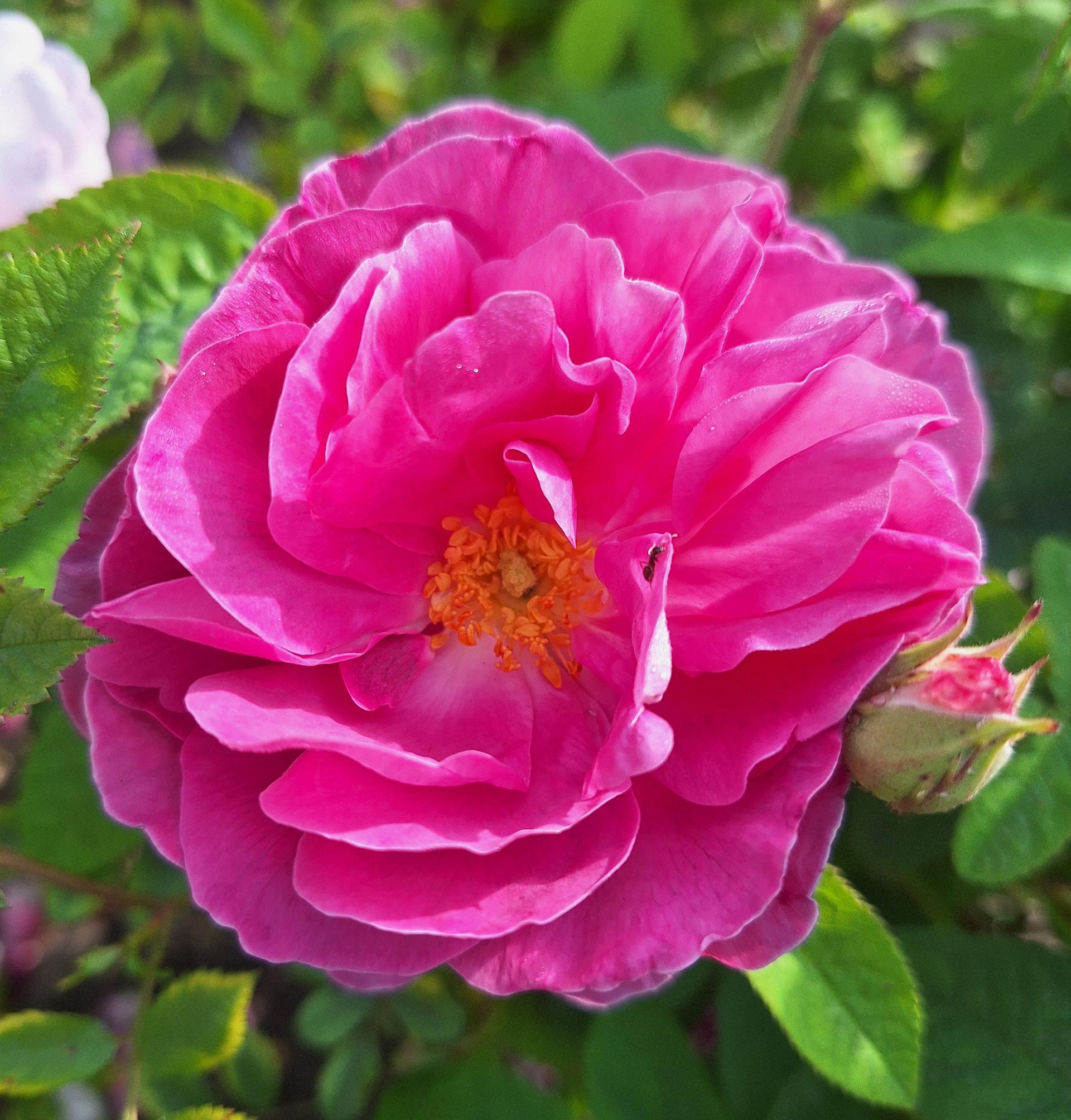
Probably, it is necessary to work in all the listed directions. It is very difficult to predict. The genetics of old roses are very conservative, although they are slowly giving up. It just takes time, changes are happening. If you use modern roses, the probability of getting a repeat is higher. And if you want roses with a more natural style, then old roses are important. I am attaching a photo of another attempt, this is a backcross. Rose “Officinalis” x rose “Franciška” (R.Officinalis" x “Schneekoppe”). R.“Franciška” bloomed twice, and the seedling in the photo (first flowering) bloomed once , but the signs of Rosa Rugosa disappeared. Therefore, I continue to participate in hybridization, trying to get repeated flowering with another of my seedlings, which blooms twice.
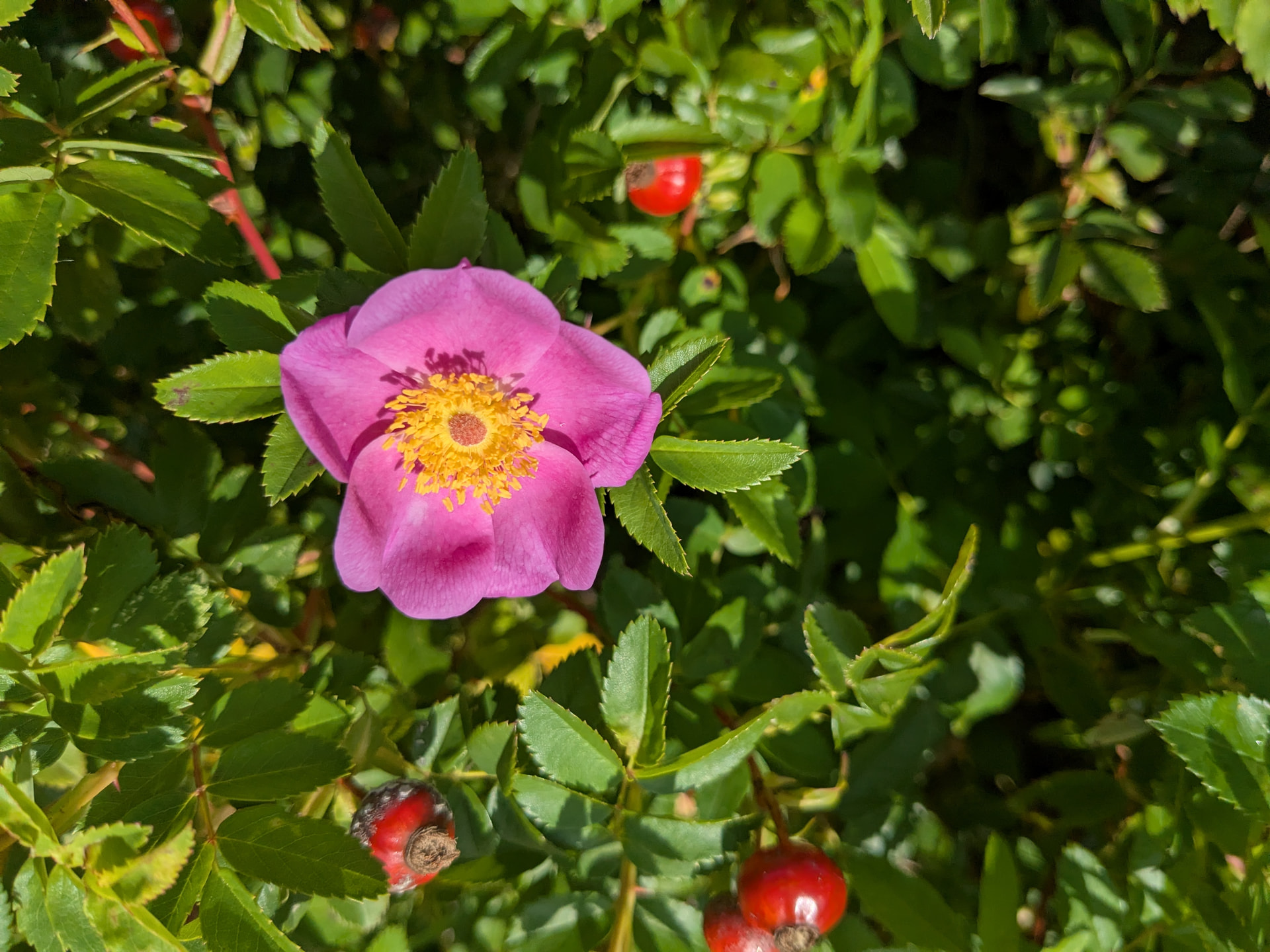
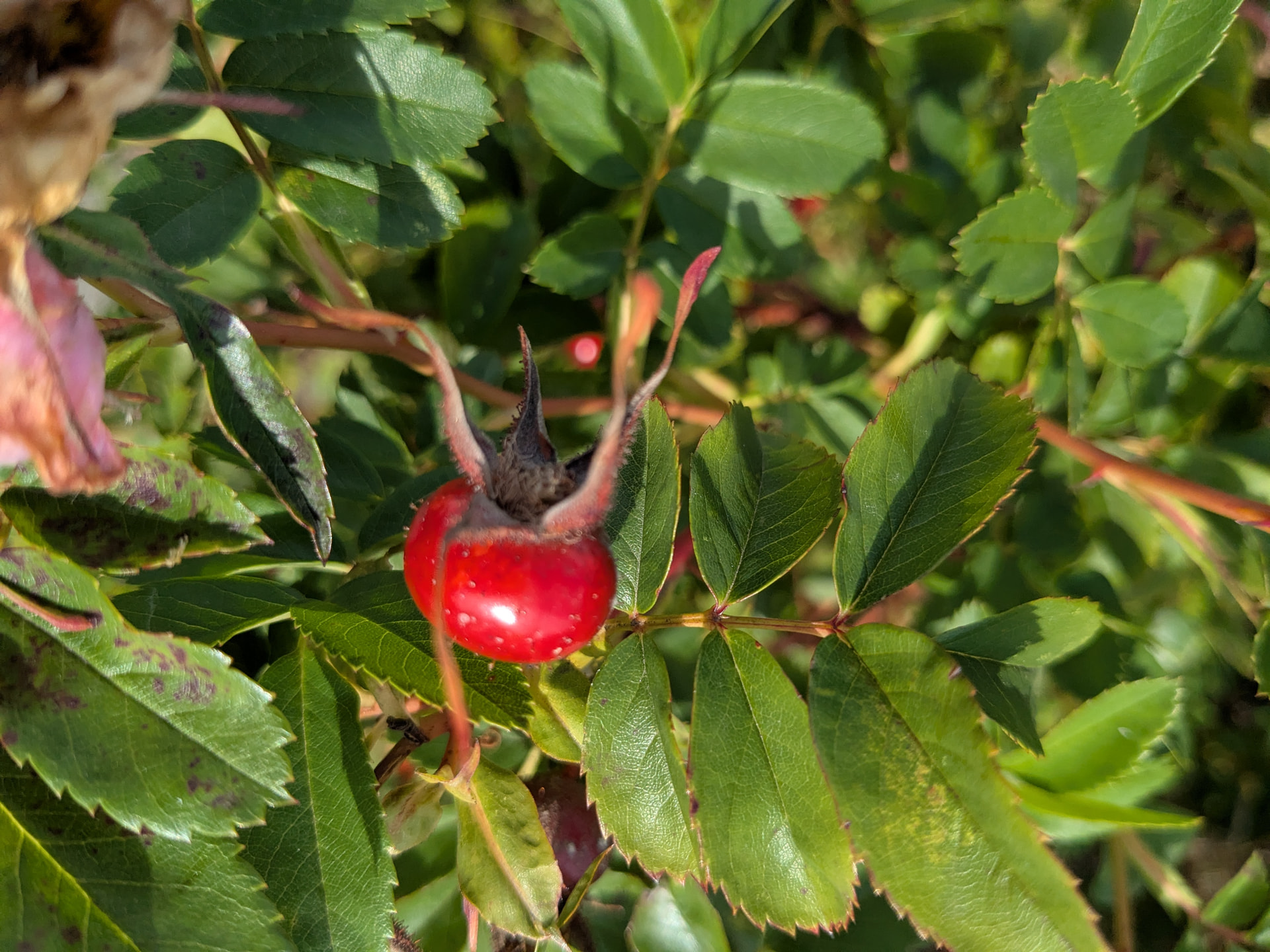
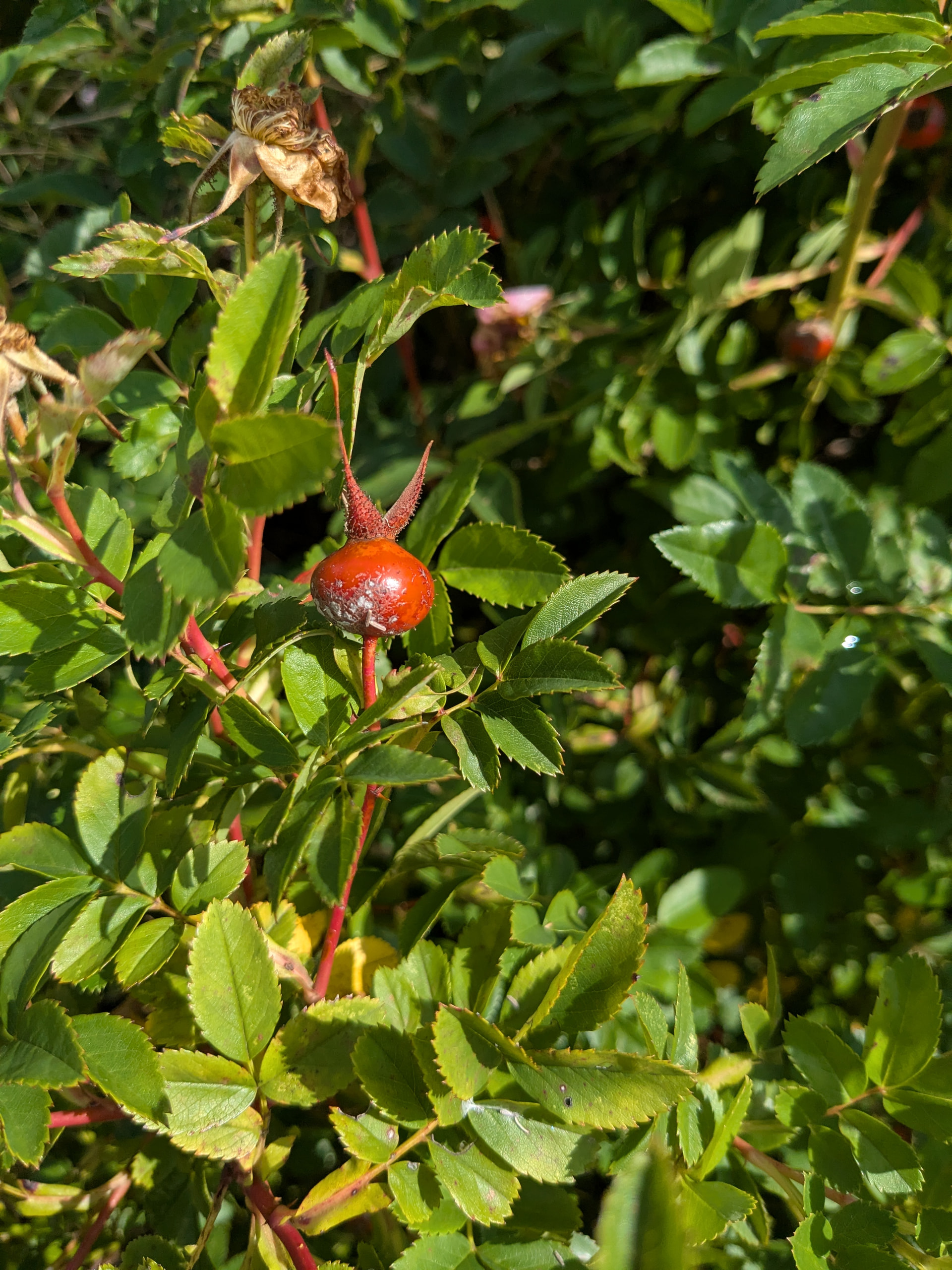
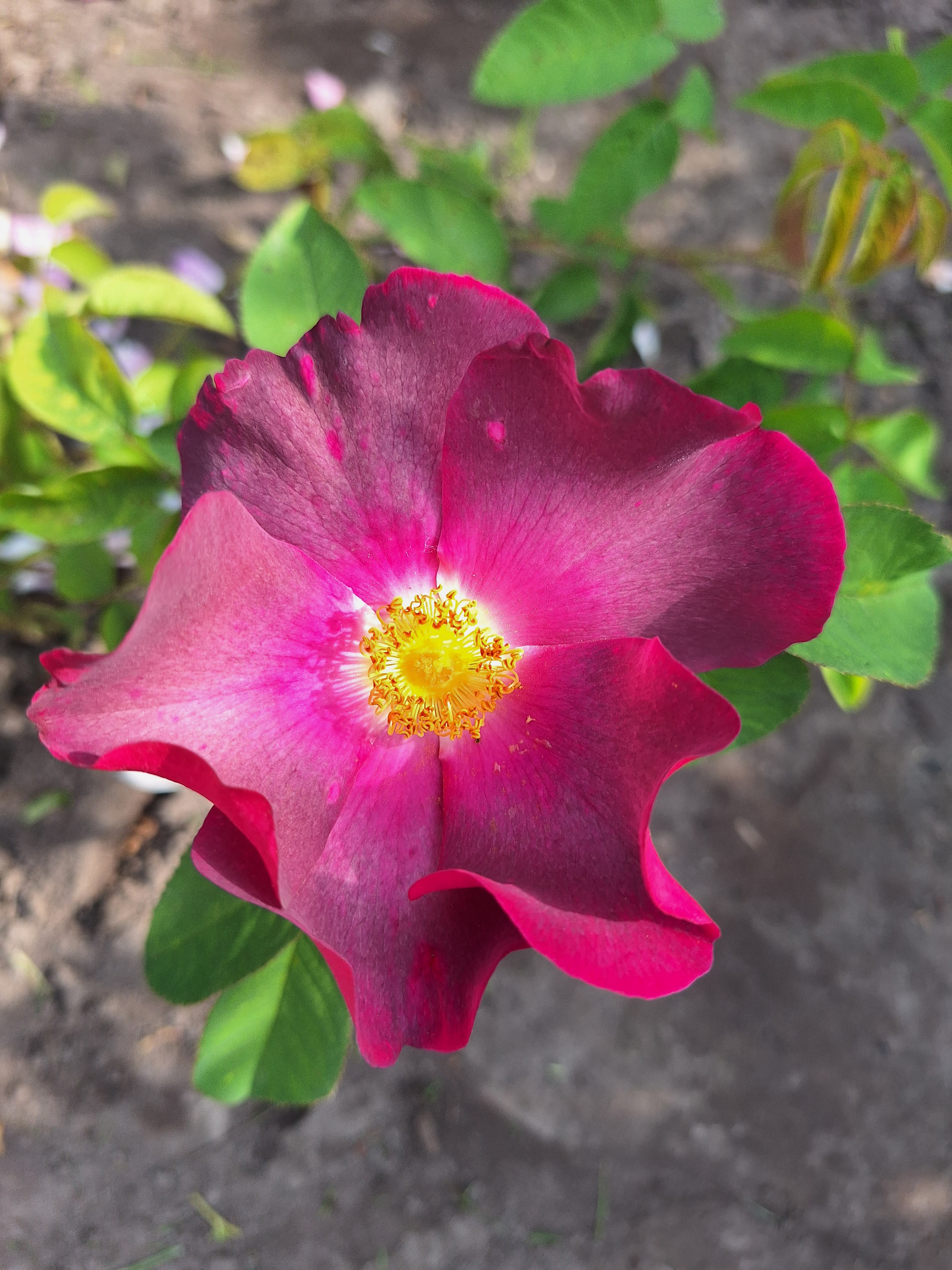
The rose pictured looks very much like a variant of the North American R. carolina complex. Within this interesting species complex, a late flowering can occasionally be observed.
Definitely depends on where you’re located but those red stems and the single, needle-like thorns underneath the stipules point to it being rosa carolina.
I think it is triploid yes. It is not a seedling I think but not sure. It is in open public. Carolina is not that common here, mostly we have Rosa spinosissima/’pimpinellifolia , Rosa canina, Rosa rubiginosa and Rugosa. Interesting to try it next yearm
Thank you. Yes, it bears fruit and produces abundant pollen. It participated in hybridization in all directions this summer. We will see what the results will be. I admit that I don’t really understand ploidy, but I rely on my intuition.
I’m attaching a photo of it unfolding. This is a 2023 seedling. It has grown to 1.50 m .During the flowering season, the flower changed and thickened.
It woud be interesting to know what seedlings result from it. The officinalis influence is definitely there given that it’s a backcross, and this rose has much potential as a parent.
I find it interesting that your Franciska (r. officinalis x Snow Pavement) bloomed for you twice, since offspring of gallicas crossed with repeat bloomers tend to bloom once in my experience, with recurrentcy hiding in the genetic pool in the offspring. Clearly your Franciska is an exception to this rule and appears as if the recurrent characteristics of Snow Pavement rugosa triumphed over the once blooming traits of gallica Officinalis. Since you used the pollen of Franciska (as backcross) to produce the above seedling, does your Franciska produce hips by any chance?
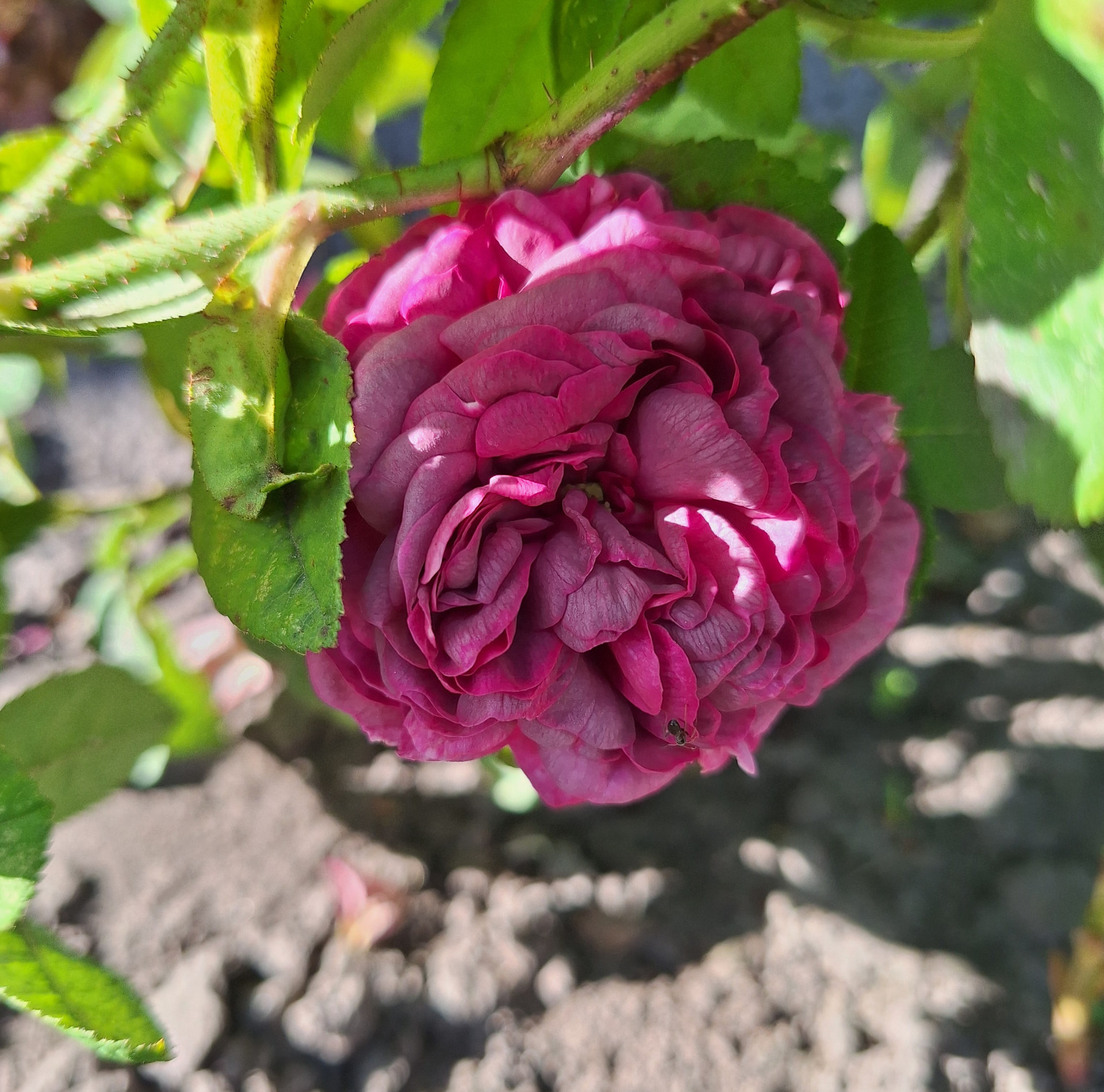
Your observations are very accurate and valuable, and show a deep knowledge of this case. This is very important, because it seems to be one of the rarer cases. The rose “Franciška” blooms twice before frost. It bears fruit abundantly and produces very valuable pollen, which is accepted by other old roses. This gives interesting results in various combinations. Rosa “Franciška” is a different hybrid of Rosa rugosa. I am adding two more cases with its pollen. I call these roses smoky roses. They bloomed once and are pollinated this summer in order to obtain two generations of flowering. I will definitely share the results of all the seedlings, if I succeed. The genetics of these last two roses contain pollen from old roses (my seedlings), ‘r.laxa’ Rose and Franciška.
Wow! Aside from being recurrent, your Franciska is also fertile, which challenges the notion that crossing a tetraploid with a diploid will result in a sterile triploid. Both Franciska’s parents are fertile and produce abundant hips despite their differences in ploidy, thus resulting in an offspring that is equally as fertile. That’s incredible!!! You may wish to look into the ploidy of Franciska given such fertility.
Now who doesn’t love smoky roses, lol? The rich velvety-magenta colour of the last two photos is exquisite. They remind me of ‘Belle de Crecy’ gallica and the recurrent ‘Indigo’ portland, both of which are fertile roses that can be easily crossed with. Though ‘Indigo’ is listed as a ‘triploid’ on HMF… I question the validity of that listing.
The double bloom on the last photo is beautiful . Can you say if that double form is passed down from Snow Pavement or another gallica-type in the genetics or both? From where does that double form originate from??
It would be very interesting to study the ploidy of “Franciška”. I would really like to. I just don’t know where it can be done, where it is studied? And what material is needed? Yes, “Franciška” is a real worker. It is swarmed with bees all summer. And it easily produces berries, which germinate quite well. I think that the double form comes from the genetics of both “Snow Pavement” and “Gallica” varieties together.
Hello @redote884, I would like to congratulate you on this magnificent creation. You have achieved a remarkable breakthrough. The double shape is truly enchanting. Well done!
Hello redote884, botanical institutes are usually able to performe chromosome counts. If I remember correctly, you are located in Lithuania. The Vilnius University is the oldest and one of the most renowned universities in the Baltic region and a center for botanical research and teaching. I would simply inquire there: infor@cr.vu.lt. Maybe you’ll find someone willing to help you in this interesting matter. It’s definitely worth a try. Good luck!
Thank you very much for your kind words. From the very beginning, I felt that the rose “Franciška” was different, but there was no one to talk to about it. I found understanding and support in this forum. Sometimes I think that my contribution is not that important, I just carried out an order from the heavenly office… Also, thank you for the advice to contact the Botanical Research and Training Center of Vilnius University. That’s what I will do.