Your favorities oddities that you decided not to cull

I’m noticing every year that there’s always a handful of seedlings which are just a bit odd. Things like heavily proliferation, strange growth habits, deformed foliage, or even just blooms which completely defy whatever expectations you had from the cross or seed parent. A lot of these are probably the result of chromosomal deficiencies. Aneuploids too genetically compromised to survive, let alone thrive. But sometimes a seedling is weird enough to keep around just to see what happens with it.

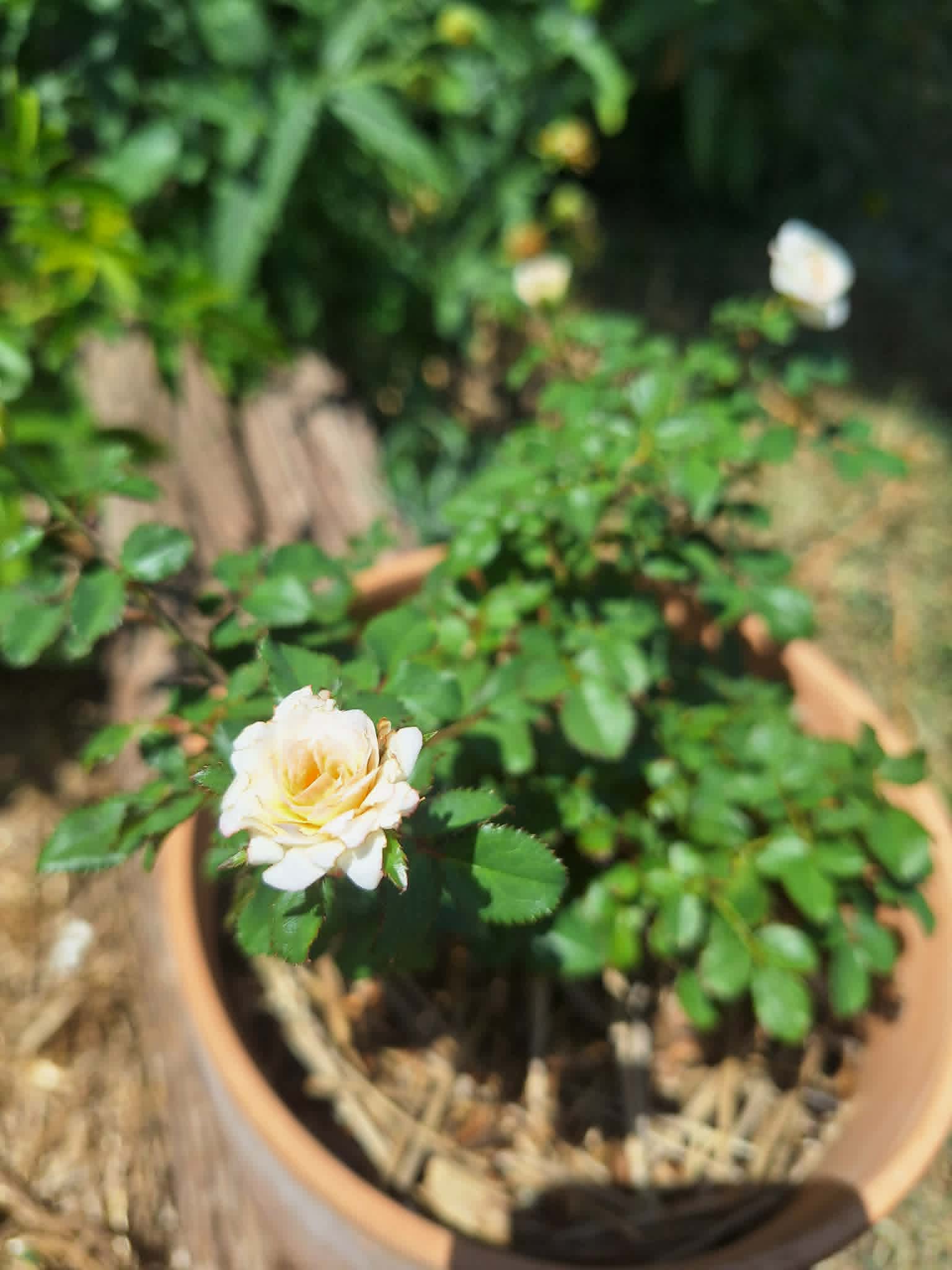
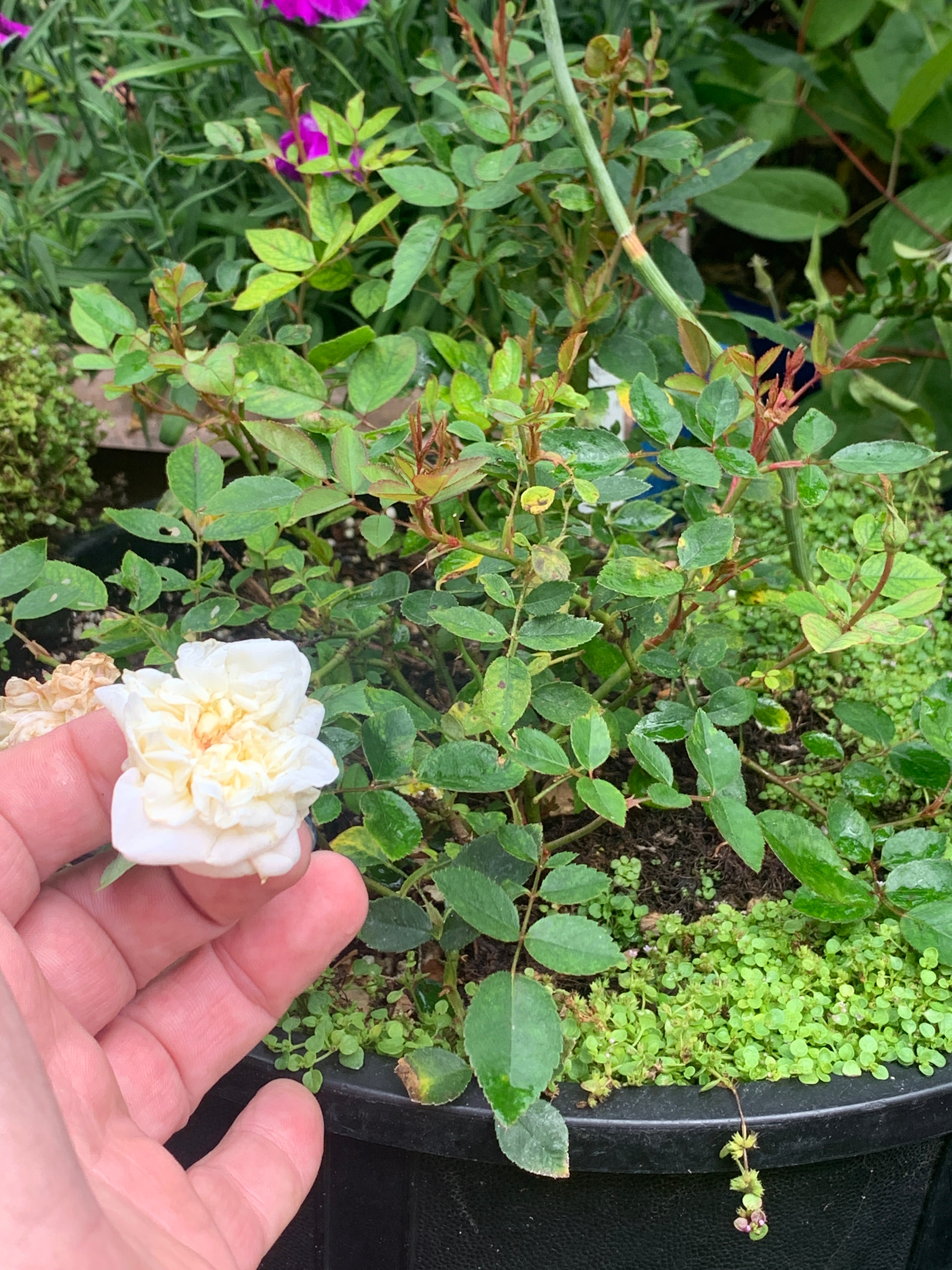
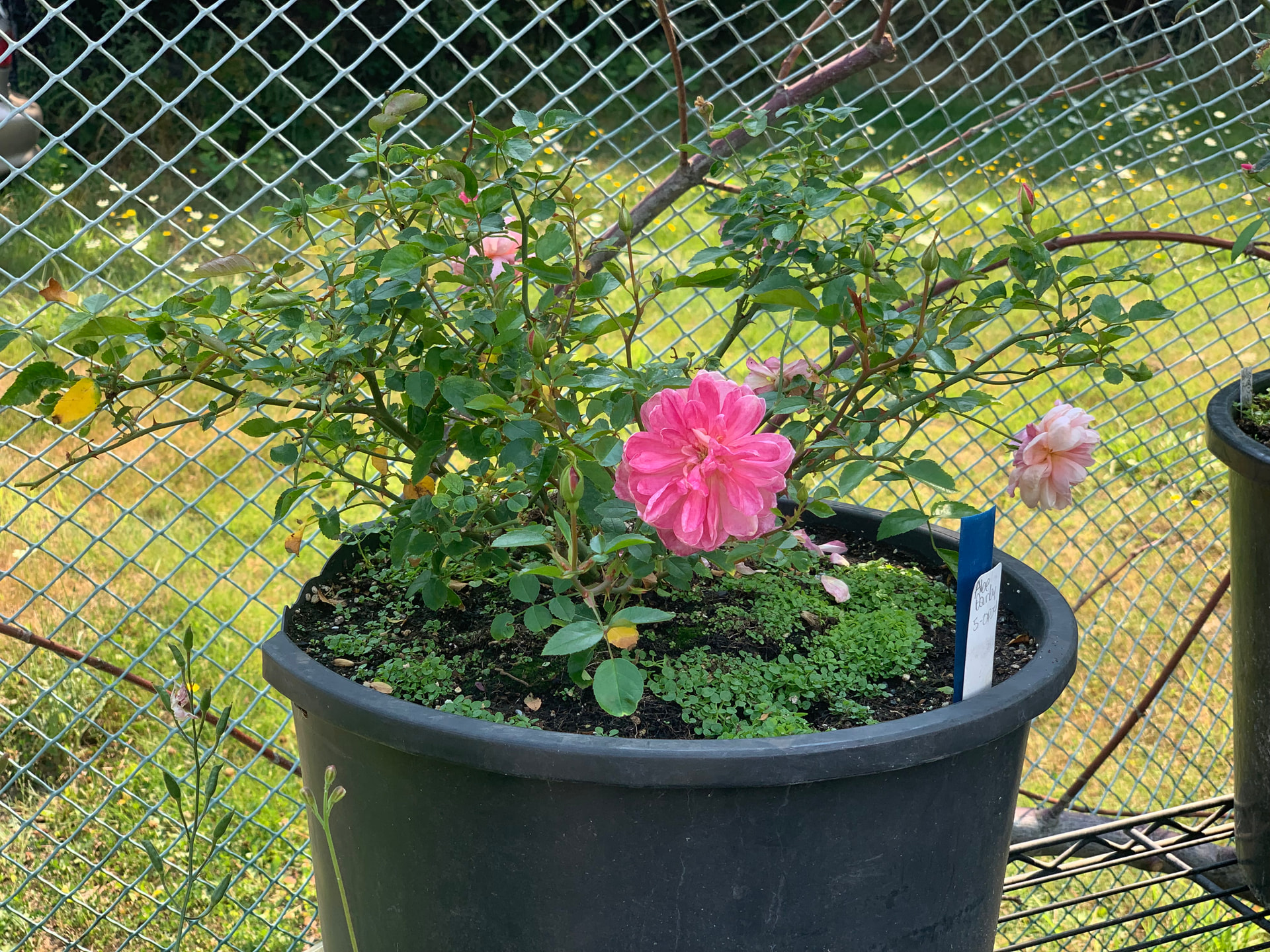
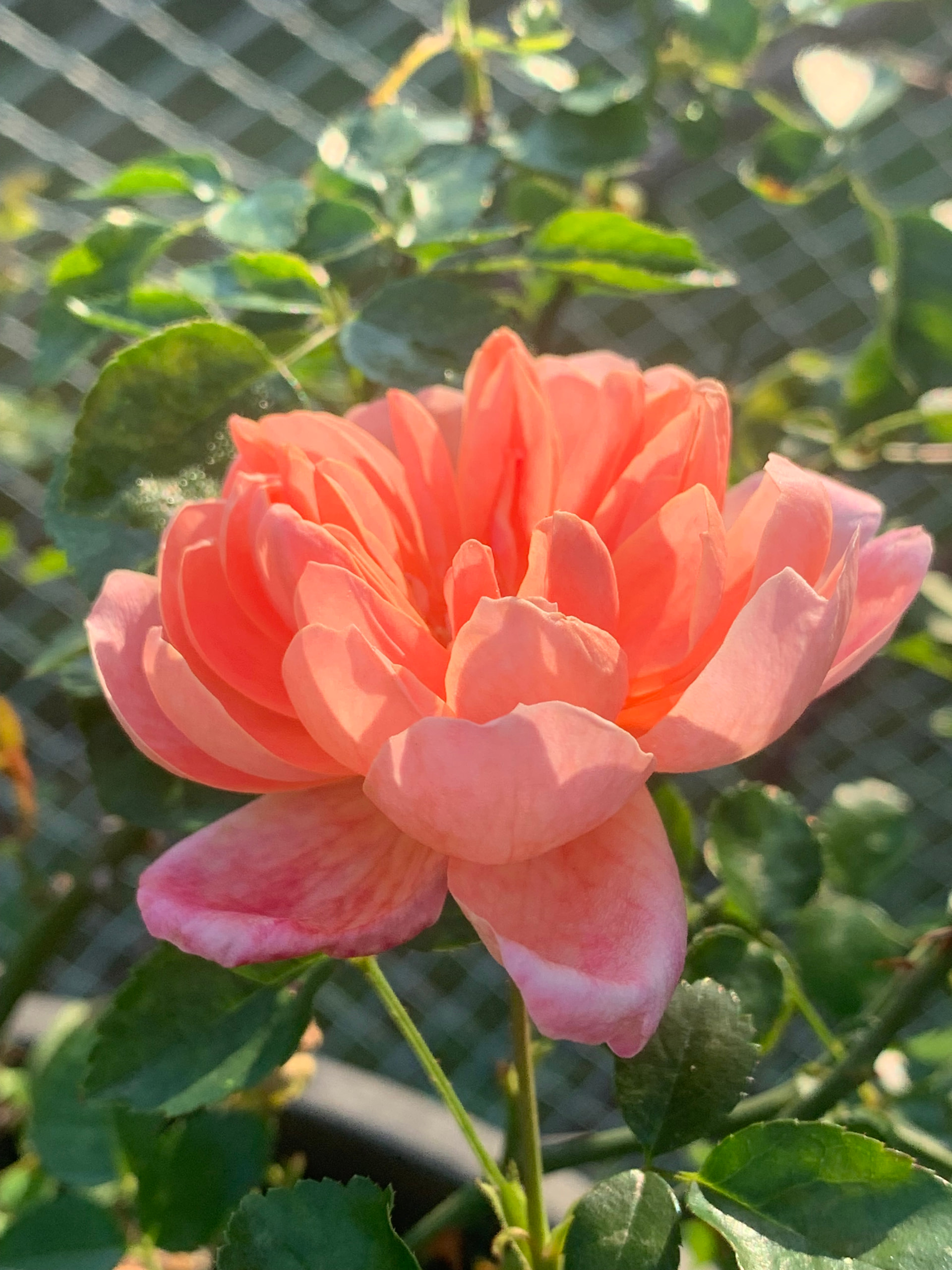
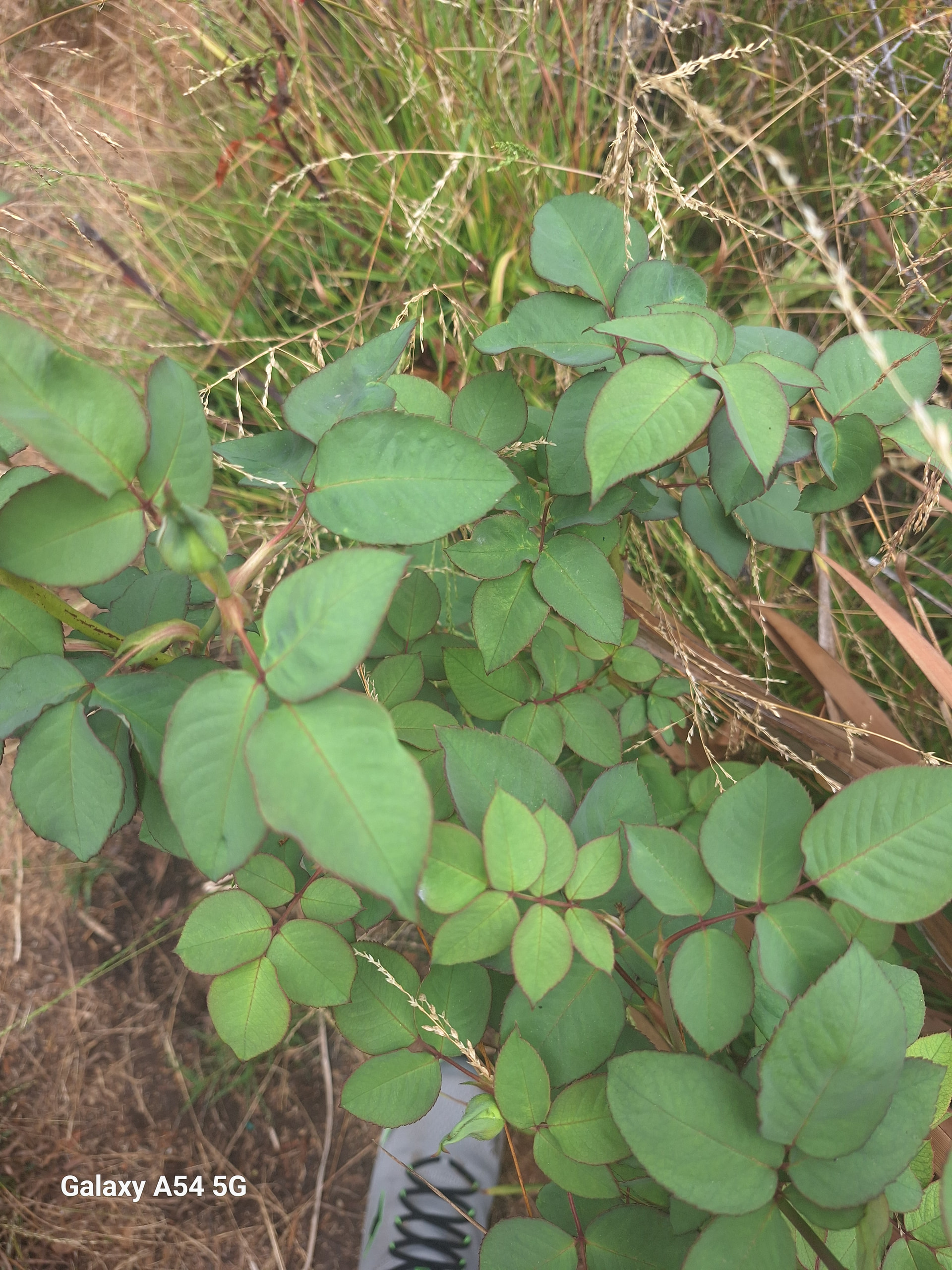
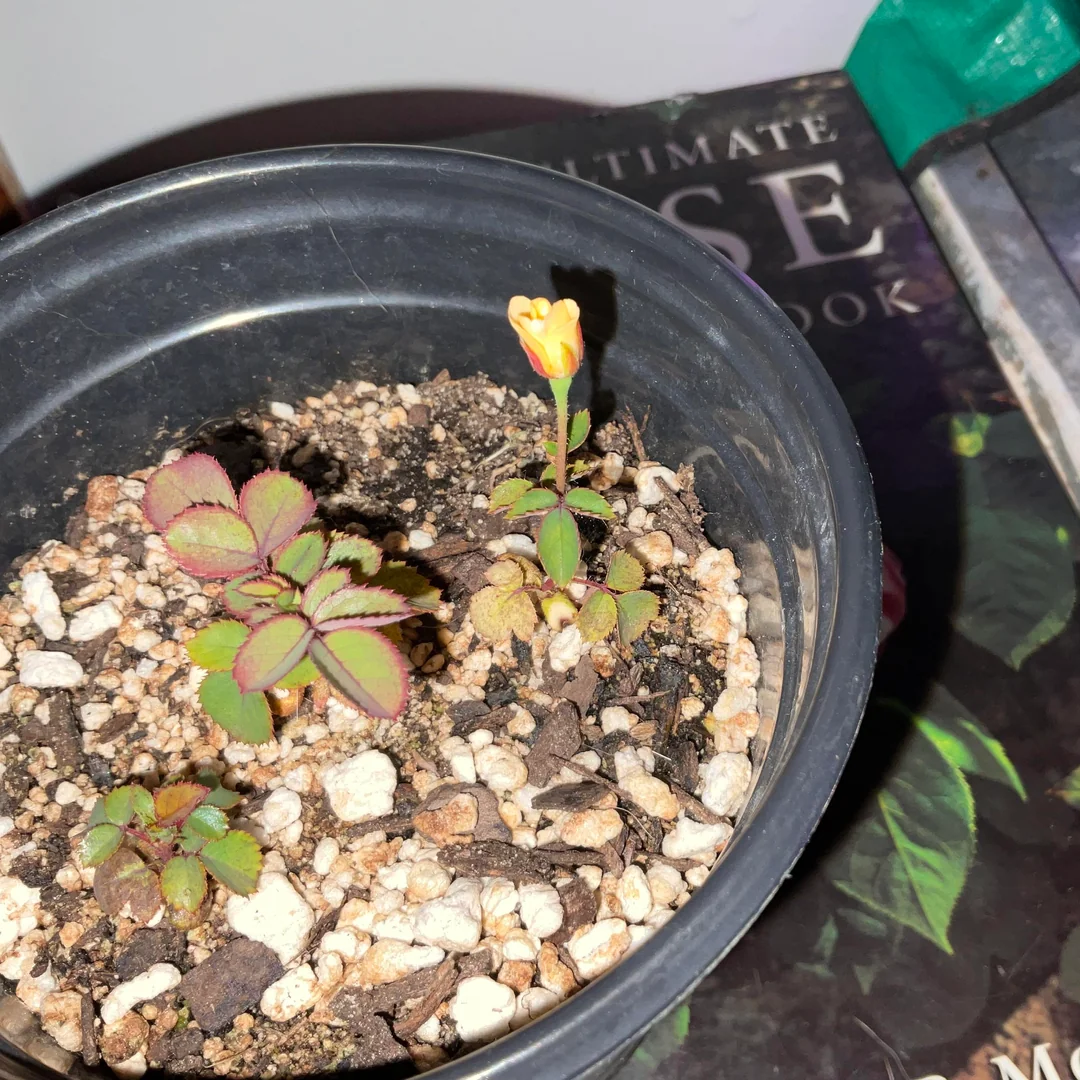
This little guy came from an OP Double Knock Out hip.

It put out one tiny little bloom shortly after sprouting and then spent the rest of the winter struggling with spider mites. You can see the damage they’d already done to the lower leaflets. Springtime roles around and instead of culling it I decide to plant it in the thunderdome test bed. It didn’t bloom again that year and only managed to grow a few inches tall due to the elements repeatedly killing it down to the roots.

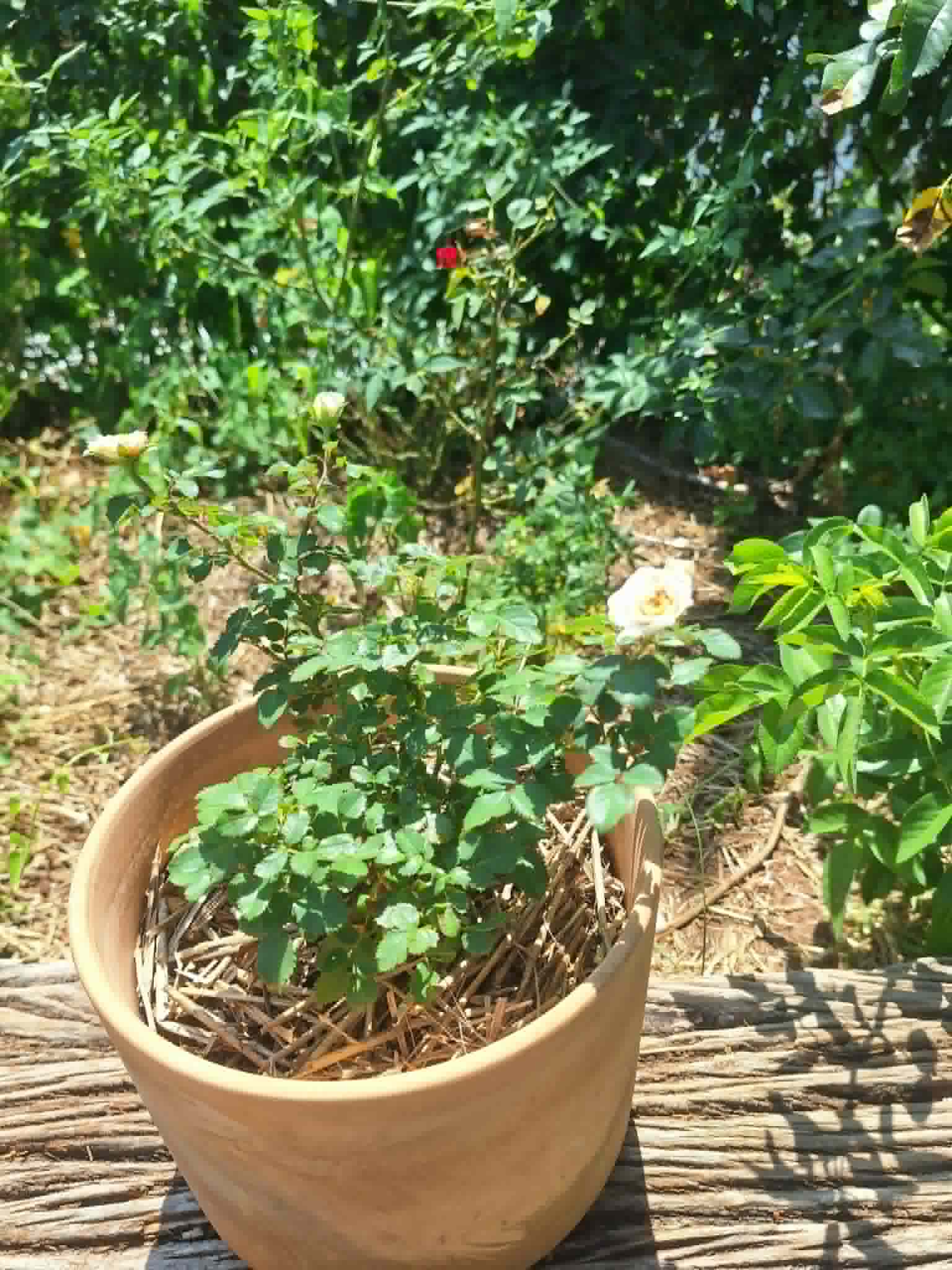
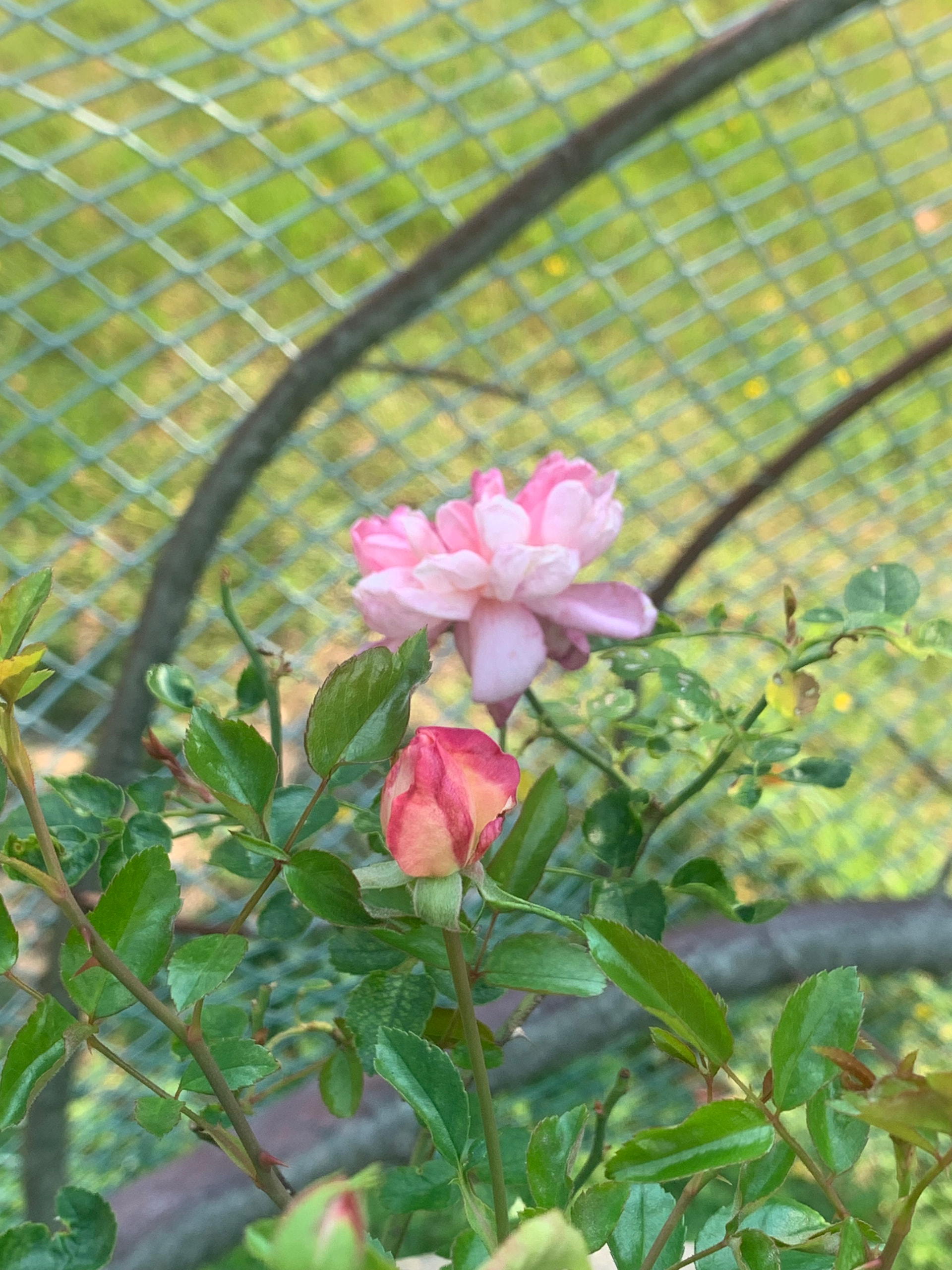
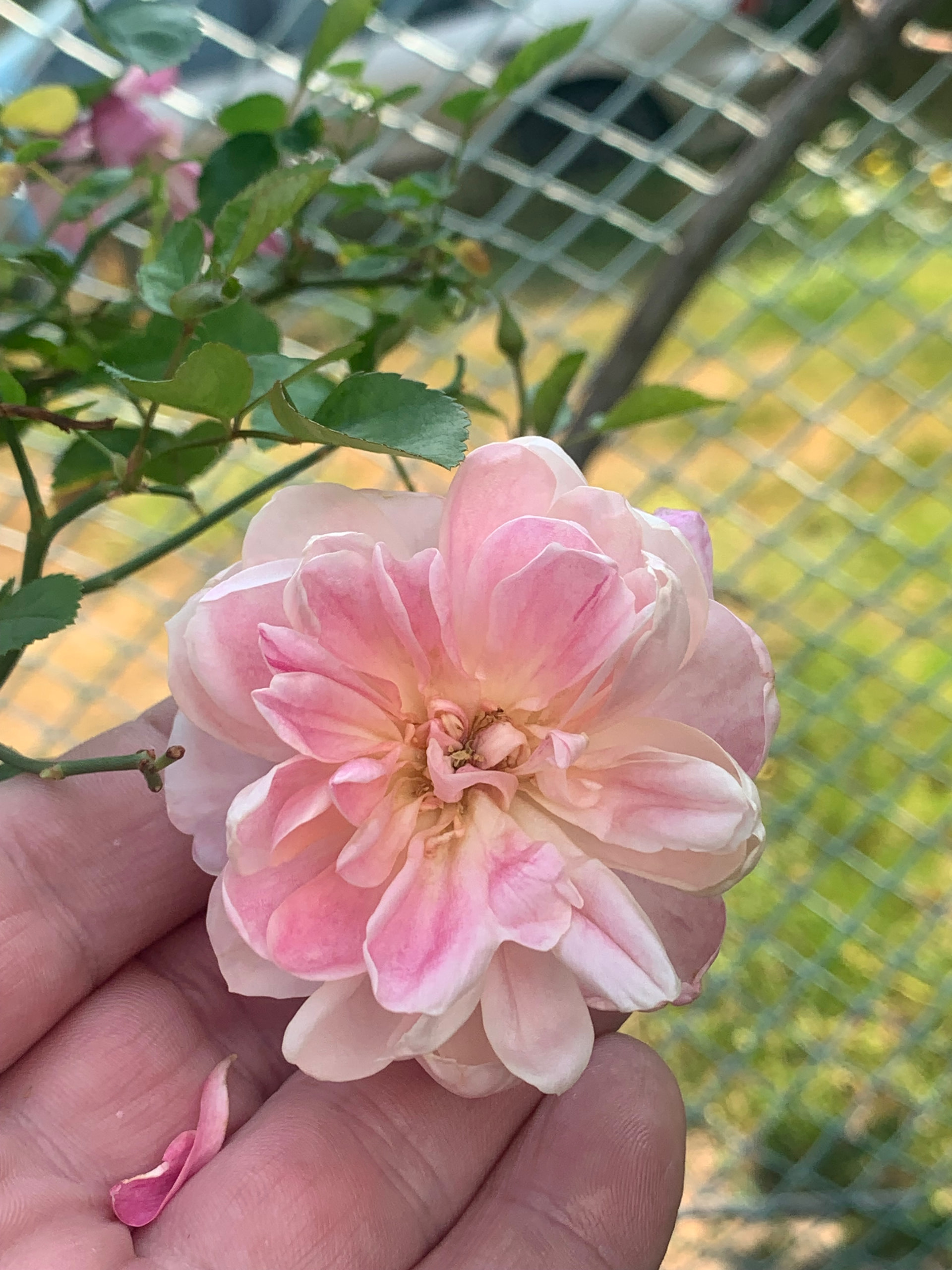
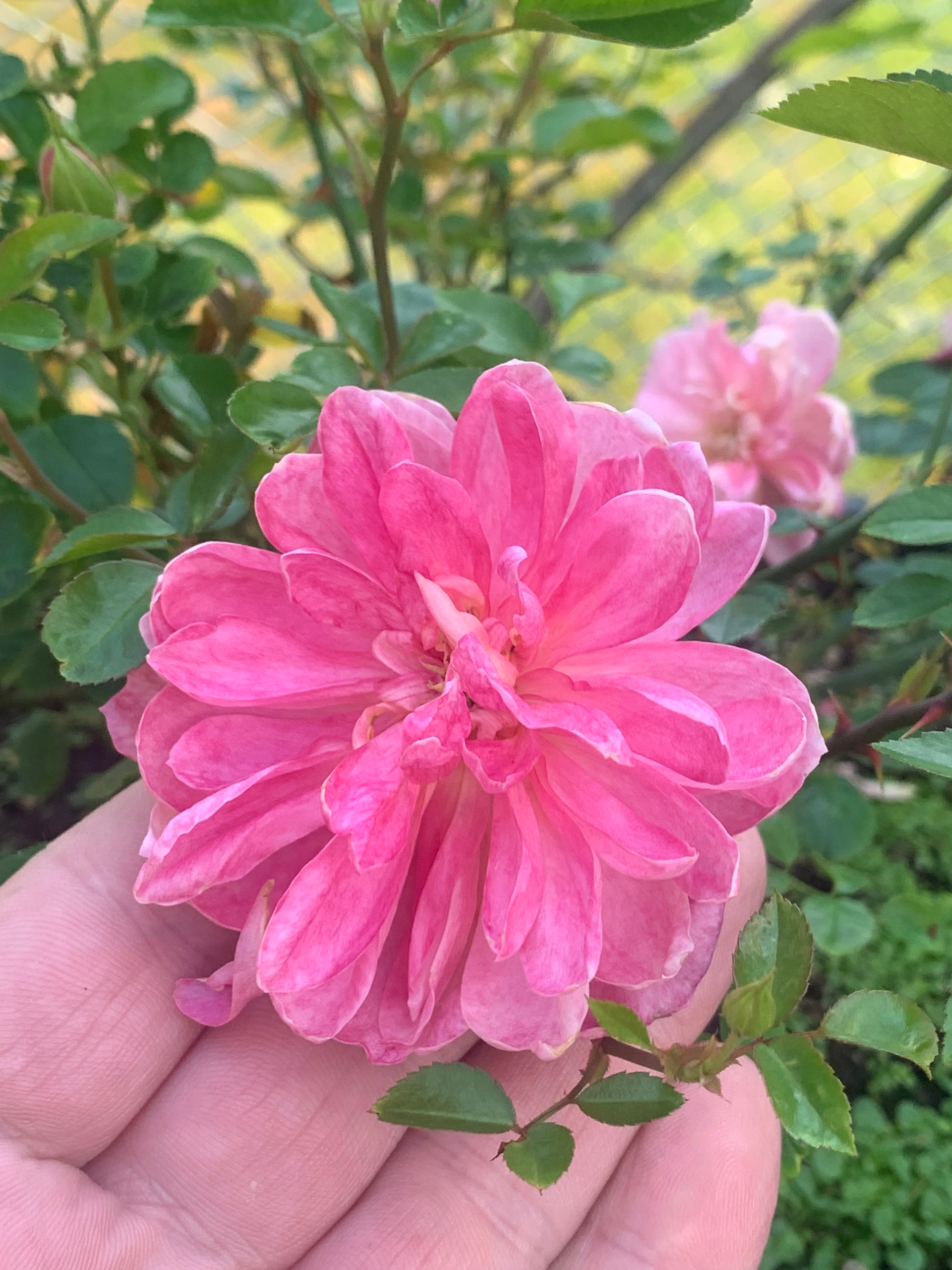
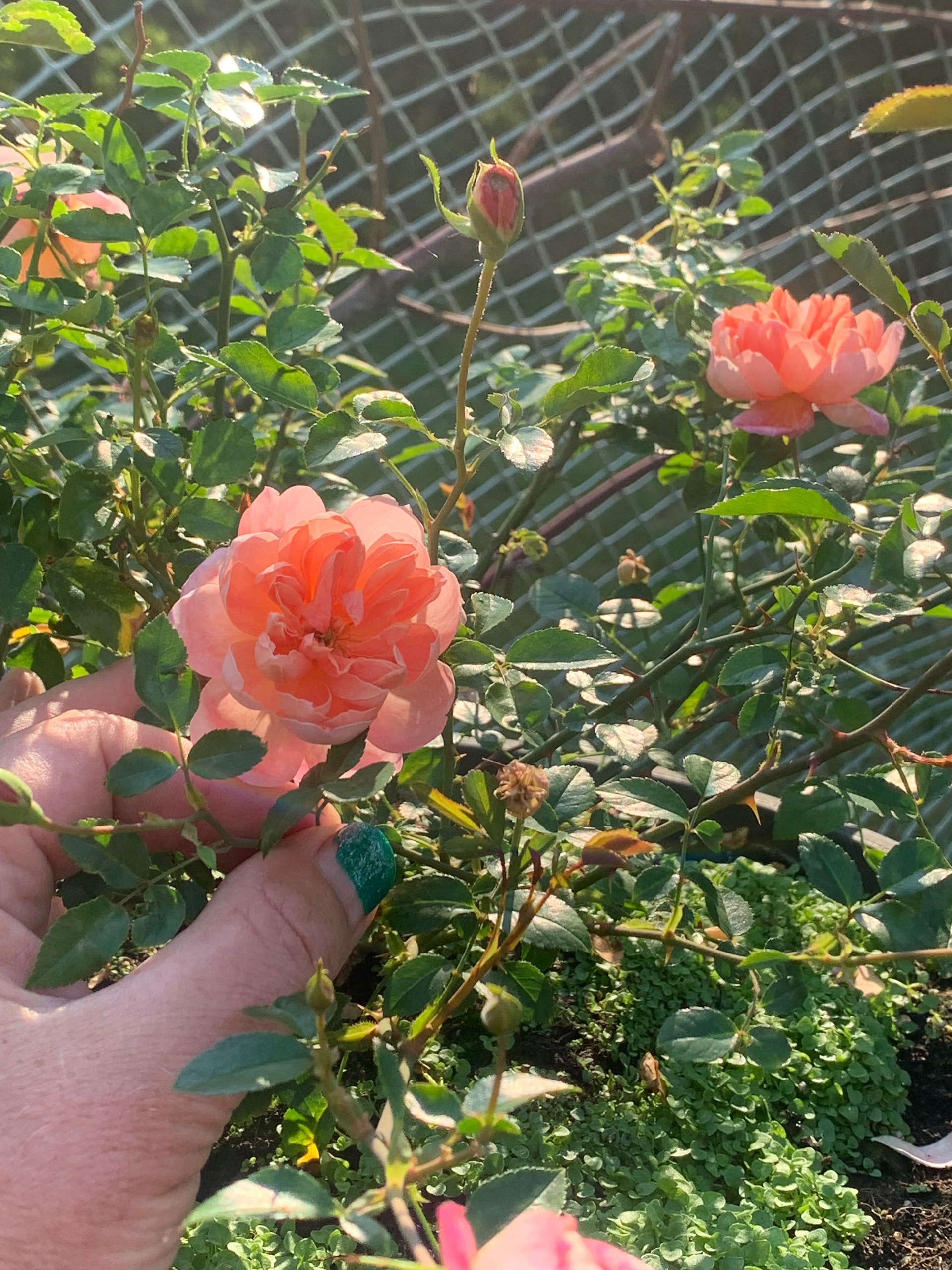
On a whim last February I dug it up before the polar vortex and grew it out in the grow tent for the rest of winter. It didn’t grow much over the next couple months, but the roots were poking out of the one gallon pot and I’ve always been a sucker for the sunk cost fallacy, so I put it in a little terracotta pot in a semi-shady spot and started actually watering it. To my surprise it’s actually grown into a healthy little micro-miniature (I assume, I don’t really know much about classification). Here’s what it looks like today…

I really just kept it around because I was curious how that tiny little oddity came from an OP Knock Out hip, but I’m glad I did. I’m like 99% sure it crossed with the Peach Drift rose growing nearby.

Any oddities that have you kept around in your gardens?

11 Likes

This oddity germinated some years ago and immediately made me think of an odd, rather sweet Australian film, Priscilla, Queen of the Desert. 'Queen of the Desert' Rose Sometimes, it flowered like a Viridiflora and occasionally it produced a traditional orange-red floribunda type flower. I kept it for several years until it had to be let go due to lack of room.

5 Likes

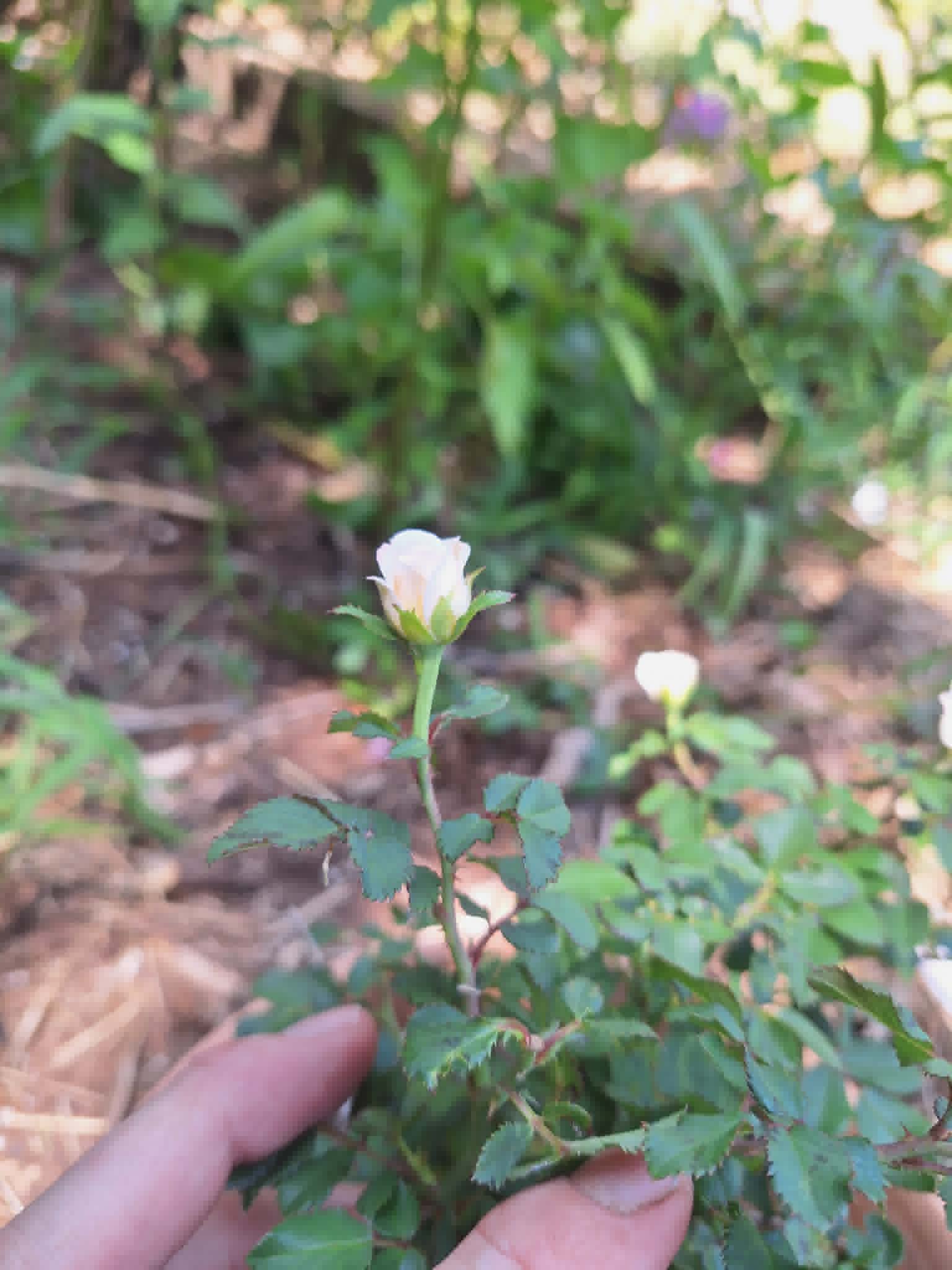
I’ve a sentimental attachment to this little (8”h x 12”w) shrublet from OP ‘François Juranville’. It’s now three years old, flowers like half-sized ‘Alberic Barbier’ pop open repeatedly all summer, and it’s reasonably healthy. Probably no commercial value, but it’s cute as heck!

6 Likes

Patio roses are the thing now in some places. More and more people have a small patio or balcony and don’t want a rose to take up most of it

@roseseek That is certainly quite odd! The other day I saw some florist roses with extreme proliferation like that. Now I feel like rewatching that movie.

@VanIsleDWSmith I’ve enjoyed seeing your work with those Barbier ramblers. It’s always struck me as odd that there aren’t more efforts to cross those old wichurana hybrids with moderns given the success of Belinda’s Dream. That almost looks like if David Austin made a Drift-style rose.

@James_D Even if I had any commercial ambitions I think this guy is way too slow growing to have any sort of market appeal. I’m going to graft it onto a 2 or 3 foot length of roostock just to see how it looks as a mini standard though.

2 Likes

You never quite know what you might get when you grow roses from seed. But other things can also make them grow really weird. Certain herbicides and pesticides can also make them grow strangely. Some rose varieties are very sensitive to pesticides and herbicides. Even if they are used by the neighbors. Check out your rose species and see if they are sensitive to herbicides and pesticides and if you, or someone nearby, are using a herbicide or pesticide that is not safe for roses. You can also check for certain types of diseases. Certain types of rose ailments can appear in roses. Like mosaic disease, for example. It is transferable via spider mites and aphids to other roses. Some people want to keep afflicted roses because it makes them look exotic. That is all good and well. However, the disease will weaken the rose over time until it dies prematurely… Some roses are extremely susceptible to disease and pests. Check to be sure you do not have a species that has these issues. Or that they are not sickly to begin with. A sick rose will not produce healthy seeds like they ought to either… Like if they have mosaic disease, for example, it is recommended the whole rose be destroyed. Seeds too. Because the seeds, if grown, will only produce seedlings that also have mosaic disease. And do not get me started on the long list of genetic diseases that can sometimes cause rose issues. But as long as they are healthy and disease and pest free, and not exposed to anything that could cause side effects, yeah. Just keep them around if you like them. No harm in it as long as they are healthy and not exposed to something affecting their growth.

Because the seeds, if grown, will only produce seedlings that also have mosaic disease.

Not to diminish the issue of rose viruses, which are most certainly an existential threat to the entire industry, but I don’t think this assumption is entirely accurate.

[Blackberry chlorotic ringspot virus] has been found to have a seed transmission rate of 58% in Rosa multiflora

…PNRSV was seed- transmitted in Prunus pennsylvanica at a rate between 60 and 70% after storage at 2°C during 4 years, and that this percentage dropped to less than 5% after 6 years, while seed viability in-creased… Experiments conducted with PNRSV- infected almond seed showed that the percentage of infected seeds dropped by 50% between seed maturation and stratification during 2 months at 4°C… The virus inactivation process during seed maturation and storage is not yet clear. In the case of PNRSV, our studies have demonstrated that an oxidative stress accompanied by an imbalance in the antioxidant system in infected apricot seeds, similar to the hypersensitive response in some virus host interactions takes place.

2 Likes

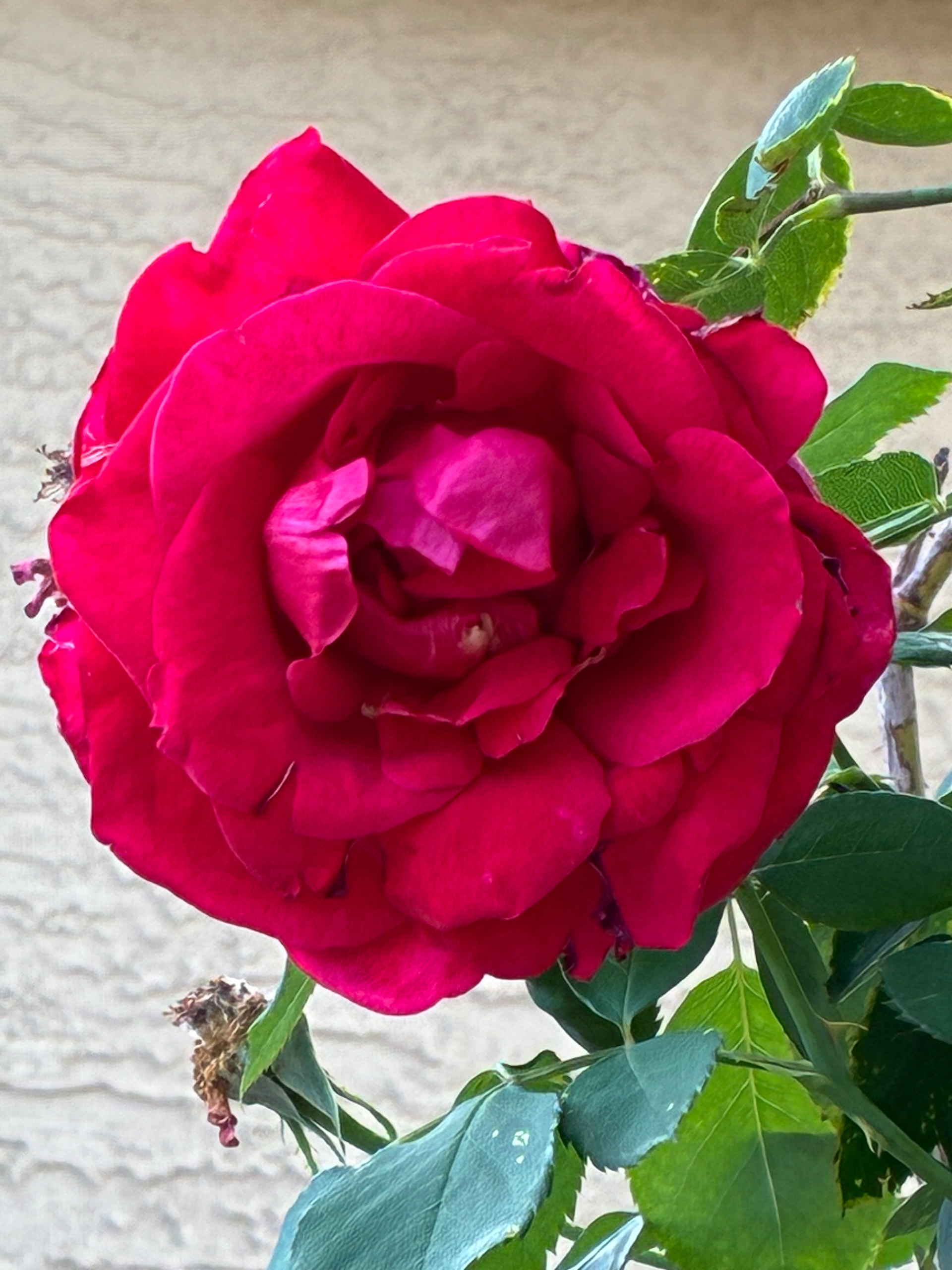
Thank you for the update of information. However, it is usually safer not to take a risk and just dispose of everything with mosaic disease. Maybe start over with a new cloned bush in about a year. Nothing should be grown where mosaic disease has been for at least a year. At least with pots. I have no idea what to do with the in ground roses that get the disease. But with pots, nothing can be grown in the pot for a year. So the disease has time to die off. Nothing there, nothing for it to survive on. Works pretty well for empty pots. Not even dirt in the pot. Just an empty pot for 1 year. Of course there are other viruses and diseases that require different treatments. But that is one way of dealing with mosaic disease. We have one my father refuses to put down with it. It likely had it when he rescued it. It was doing poorly when he got it, but he nursed it back to health. He is quite proud of it. But alas, it is doomed to die from the disease at some point in time. The photo shows one of her blooms. It is a pity she will die far too soon. She really is beautiful.

1 Like

Can you show me what mosaic virus looks like?

I’m not advocating FOR RMV, however how long a variety may limp along once infected is going to vary greatly depending upon the variety and your climate and conditions. I’ve personally observed RMV infected commercial varieties which grew and flowered for DECADES in public and private gardens in and around the Los Angeles area. There was a bush of the old 1928 HT, Autumn in the rose garden at The Huntington Library which had grown there for decades and expressed dramatically patterned, green and yellow paisleyed leaves. It traditionally grew to over 6’ tall and produced enormous flowers at the end of every cane. I used to joke that in that case, with that rose, the virus likely inhibited it sufficiently to prevent it from invading the rest of that bed. That climate traditionally didn’t suffer the extremes of heat and cold which could destroy the infected types elsewhere. If you live where there are hard freezes, the plant may be sufficiently weakened by viruses to succumb to them. It’s possible they may also sufficiently weaken them to the point of dying in extreme heat events.

I first became aware of the fruit virus infections in roses in the early 1980s, and began observing how widespread it was in commercial roses by visiting all of the large public gardens as well as browsing the many large commercial bud and bloom rose sellers in the area at the time. As I met more and more fellow “rose nuts” with large collections, I observed their virused plants, too. At that time, you either grew what there was, whether it showed symptoms or not, or you didn’t grow the variety. It wasn’t possible to easily obtain MANY varieties without viral infection.

RMV was observed early, and reported in the American Rose Annual of 1928 or 1929 as “Infectious Chlorosis of Roses”. I have scans of the article but not on this new computer. It will take time digging them out of a back up not easily accessed. All through the second half of the last century, a number of European rose growers complained bitterly about how cavalier the US producers were concerning infection. All of the All America Rose Selection roses were produced by Armstrong Roses which became infamous for their virused roses. It was virtually impossible to obtain AARS winners which were NOT RMV infected. Back in the mid 1990s, John Walden, formerly Keith Zary’s assistant at J&P R&D, visited my Newhall garden. I asked him how they could have released such a weak, terrible variety as Purple Tiger, as in that climate, it only flourished potted and on “total parental nutrition”, literally the highest culture you could possible provide it, He laughed and responded, “if you think it’s bad now, you should have seen it BEFORE we cleaned the virus from it!”. He stated that J&P bought Armstrong for their patents as their stock was so badly virused, they burned it in the fields.

As most of the larger producers not only offered newer types but also many OGRs, they were also severely infected as they were passed from one producer to the next, picking up different types of viruses as well as different strengths of the same type. As the older roses fell from the larger catalogs, they all filtered down into the Roses of Yesterday and Today catalog, which, I have been told by several sources, used the same producer in Wasco, CA that Armstrong used to produce their stock. So, any roses which may have escaped infection over the decades, surely suffered it while being produced by ROYAT. I have collected as many of their yearly catalog listings as I’ve been able to gain access, to create the historic archive on HMF of all the varieties they offered for the years listed in the archive. It is highly probable that if a rose was offered in that listing, it was infected. Remember that Dr. Griffith Buck was good friends with Dorothy Stemler, Will Tillotson’s secretary and potentially more, and the majority of his roses were introduced by ROYAT. The few Dr. Buck may not have infected using his preferred root stock were surely infected by ROYAT as they produced them; Back in the early 1990s, a long-time rose friend and I visited ROYAT and observed the rampant RMV symptoms in their display gardens. We were taken up the hill to the area they kept their bare roots planted in paper pots. The symptoms were obvious and rampant there, too. My friend exclaimed, “they’re all virused!”. The response was, “mom says it’s chlorosis”, referring to Patricia Wiley, Dorothy Stemler’s daughter, who operated and owned the business at the time.

Much has been accomplished in the decades since to heat treat and clean many varieties and it’s now possible to find uninfected plants of many of them. But, there are still many old plants around carrying multiple viral loads from many different viruses. A lovely “found rose” from San Rafael, CA from an old garden, named Schmidt’s Smooth Yellow and may well be the old George Elger poly, has been tested and found to have not only RMV but PNRS viruses. I find no catalog or garden listings to document George Elger has been commercially available in the US since around the time of WWII, yet it survived in the garden where a woman planted it around her family home. It survived her and the family’s residence there long enough to be discovered and collected by a local rose lover.

Viral infection is not an automatic death sentence for a rose. It’s also not a desirable occurrence, either. I’ve seen no proof insects spread it, though sloppy propagation will. If you grow any varieties commercially produced in the US prior to probably 2000, you may well have a rose infected with RMV. If any of them were produced in the US in the 1970s or before, you very probably do have infected plants. They can remain asymptomatic for many decades until stresses cause them to express symptoms.

As I earlier wrote, I’m not advocating for infection, however, if your climate is the type which doesn’t outright kill roses and there are older types you want to grow, but can’t find documented indexed stock of them, you may well be able to grow them successfully for many years. But. be aware of their status and if you choose to breed with them, consider only using them for seed parents as infected pollen may pose a potential risk for spread.
5 Likes

@James_D to see the greatest variety of symptoms RMV/PNRS virus can create, Google “rose mosaic virus on roses”. The symptoms can vary greatly and may simply be faint “water marks” on foliage all the way to severely distorted foliage with little to no “green” areas. It can vary from cultivar to cultivar as well as season to season on the same plant.

2 Likes

Kim, will an asymptomatic plant, once stressed into expression, ever return to asymptomatic?

And thanks for the history lesson!

The growth which expresses symptoms will always express them until it falls off. I can’t think of an example where I’ve seen them disappear in new growth after being expressed. The plant’s immune system had succeeded in suppressing the symptoms until it was overcome by the infection. The closest it seems to me in Humans is an individual remaining “cancer free” until its immune system is sufficiently overcome and the cancer develops.Once you’ve developed one, it’s very common to develop others, or recurrences of the original. I’m glad you found the information interesting. Thank you!

2 Likes

Another odd little favourite of mine is this 3yo (2024 germination) from OP seed of ‘Abraham Darby’, presumably bee-pollinated by ‘Trier’ from the eyelash-fringed stipules. The flowers vary from pastel-peach to hot coral-tones with the weather, are outsized (8cm/3”) on a very small plant, but throws them out in a pretty constant succession all summer long. Lightly scented, but addicted to BS like its seed-parent, it needs a lot of water to keep it growing healthily.

Has never set a hip on its own, and I haven’t tried forcing the issue because of its propensity to spot.

4 Likes

There’s a lot of known unknowns. Especially considering that Rose Mosaic Disease is actually like 10+ different viruses (that we know of thus far). Most studies are done on fruit-bearing trees in the Rosaceae family because they’re more economically important than ornamental roses. Grant money for research is limited, and the major producers clearly don’t care enough to fund any studies since they can’t even be bothered to use clean rootstock.

We know that RMV is undesirable but not fatal on its own, but probably makes infected plants more susceptible to rose rosette virus, which is fatal. It lowers pollen viability, hip set, and germination rates. And once infected, always infected – unless eradicated by heat treatment or meristem tissue culture.

But we don’t know the extent, if any, to which these viruses are spread by rose pollen, both artificially and by pollinators. For example, one of the only studies on the subject could not intentionally infect healthy plants with PNRSV or ApMV using infected pollen, but did observe healthy roses become infected after growing beside virused roses for several years. They suspected root grafting might have been the cause. Consider also: Experiments involving artificial pollination resulted in transmission percentages [of PNRSV]… varied from 100% in peach to 0% in cherry.

I guess all of this to say that the problem isn’t black and white. I’m in no way happy about the RMV situation, and am slowly removing or relocating my virused roses. At the same time, this hobby has been in decline for decades and is only getting more expensive and corporatized. Given that most people start hybridizing with established roses in their gardens which likely have some form of RMV, I fear that the suggestion to NEVER use a rose with RMV creates yet another barrier to entry. Especially since what few reliable sources for clean roses are either large and expensive or cheap and tiny.

Moreover, I find myself (perhaps naively) wondering if seed transmission is a self-solving problem for the rose breeder. Feels like infected seedlings are at such a disadvantage that they are almost always the first to be culled, by nature or otherwise. If not, that opens up the possibility to seedlings with strong enough immune systems to thrive in spite of a congenital viral infection. Is that not a valuable characteristic? Especially given the relative ease of breeding out the virus in the next generation.

Same OP ‘Abe Darby’ seedling shown above^, illustrating the variable colour of the flowers.

7 Likes

This is Tineke which has shown a faint RMV water mark on all of its foliage for years. I nearly lost it during two heat spikes recently while I was not home and I’ve been watering it copiously for the past three weeks. I noticed today the new foliage shows no RMV symptoms.

3 Likes

You think it was hot enough for it to be heat treated. That would be fascinating!

That’s something I actually asked Dr. Malcolm Manners years ago. He recently retired from Florida Southern College and one of his areas of work was virus testing and removal from roses, citrus and other plants. It’s a nice idea, but, no. Plants enduring heat treatment are grown under extremely high temperature lights 24/7 which literally bakes the virus out of the new growth. The heat inhibits the viral growth while the plants struggle to push reluctant inches in the extreme heat. “Hot spells” wouldn’t provide those conditions as the heat spikes for a few hours then cools off, negating any potential heat effects on the virus. Most likely with Tineke, the previous conditions probably stressed it to the point of expressing symptoms while the conditions after nearly dying from water stress and heat have been far more “green house” in temperatures, over cast skies and regular flooding to resurrect the dying plant.

1 Like

Extreme heat definitely seems to inhibit viral activity in most of the common mosaic viruses. Here in the summer you’ll never see those lightning bolt patterns, but they always return later in the fall or next spring.

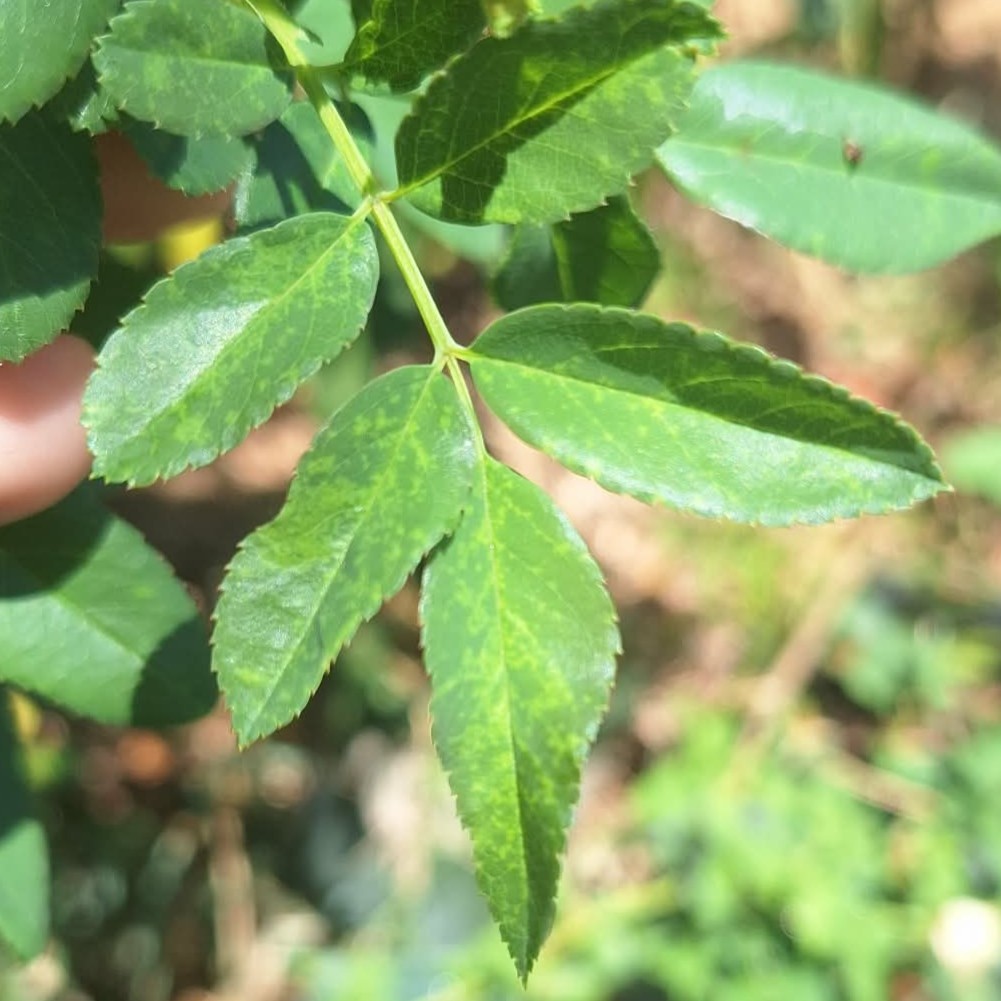
The only exception I’ve seen to this is whatever weird virus Basye’s Legacy is infected with, which is always the most visible in its new growth during the hottest months. Either that, or what I’m seeing isn’t a virus at all. I’m never quite sure.

This is actually from a selfed seedling, but this yellowed pattern (which becomes less pronounced as the foliage matures) happens on Legacy as well. It might just be a quirk related to r. carolina genetics, or some other reason, but if it’s an inherited virus then it has me thinking that it’s the reason why Basye’s Legacy is a such notoriously bad seed parent.

1 Like