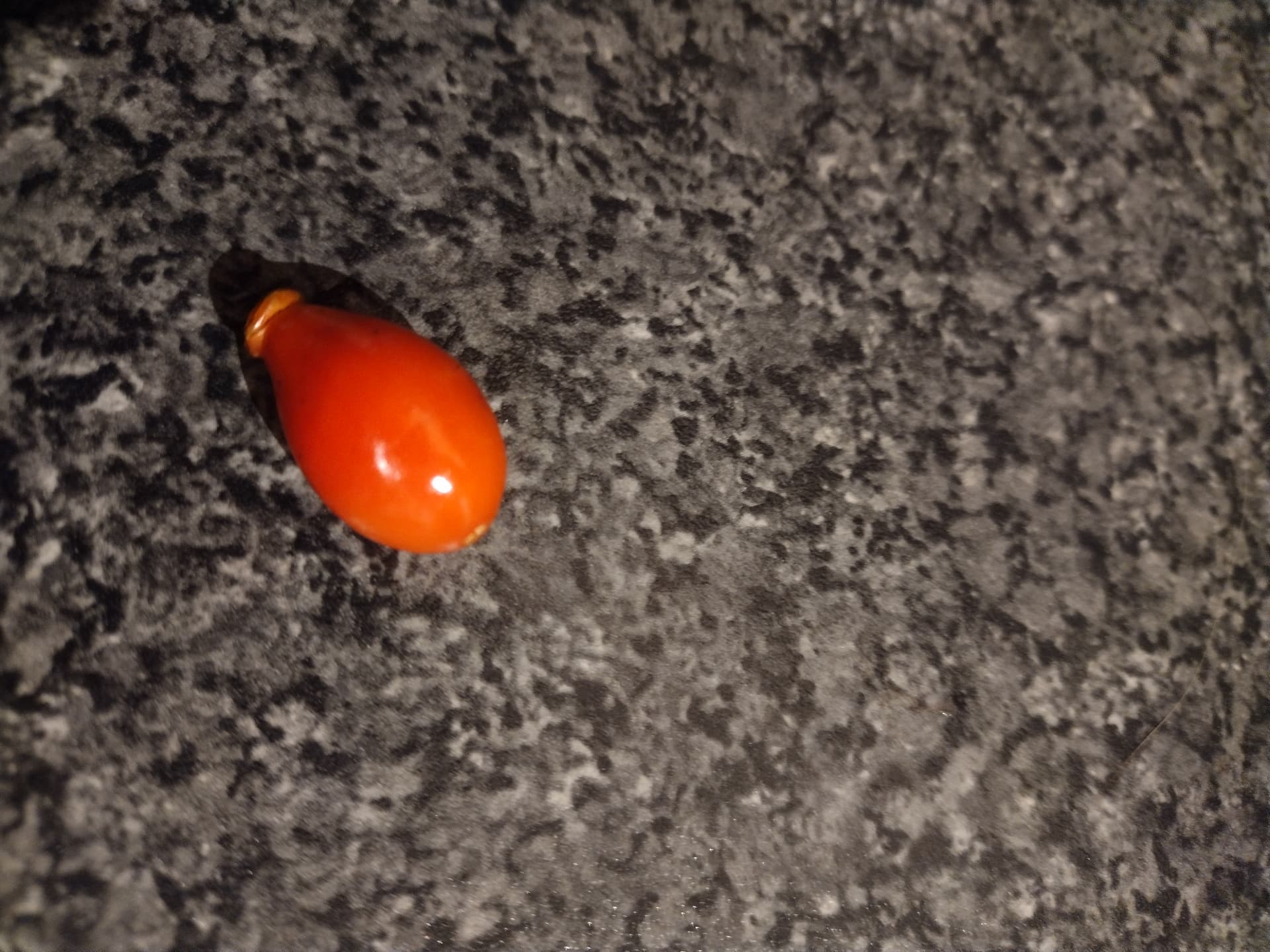
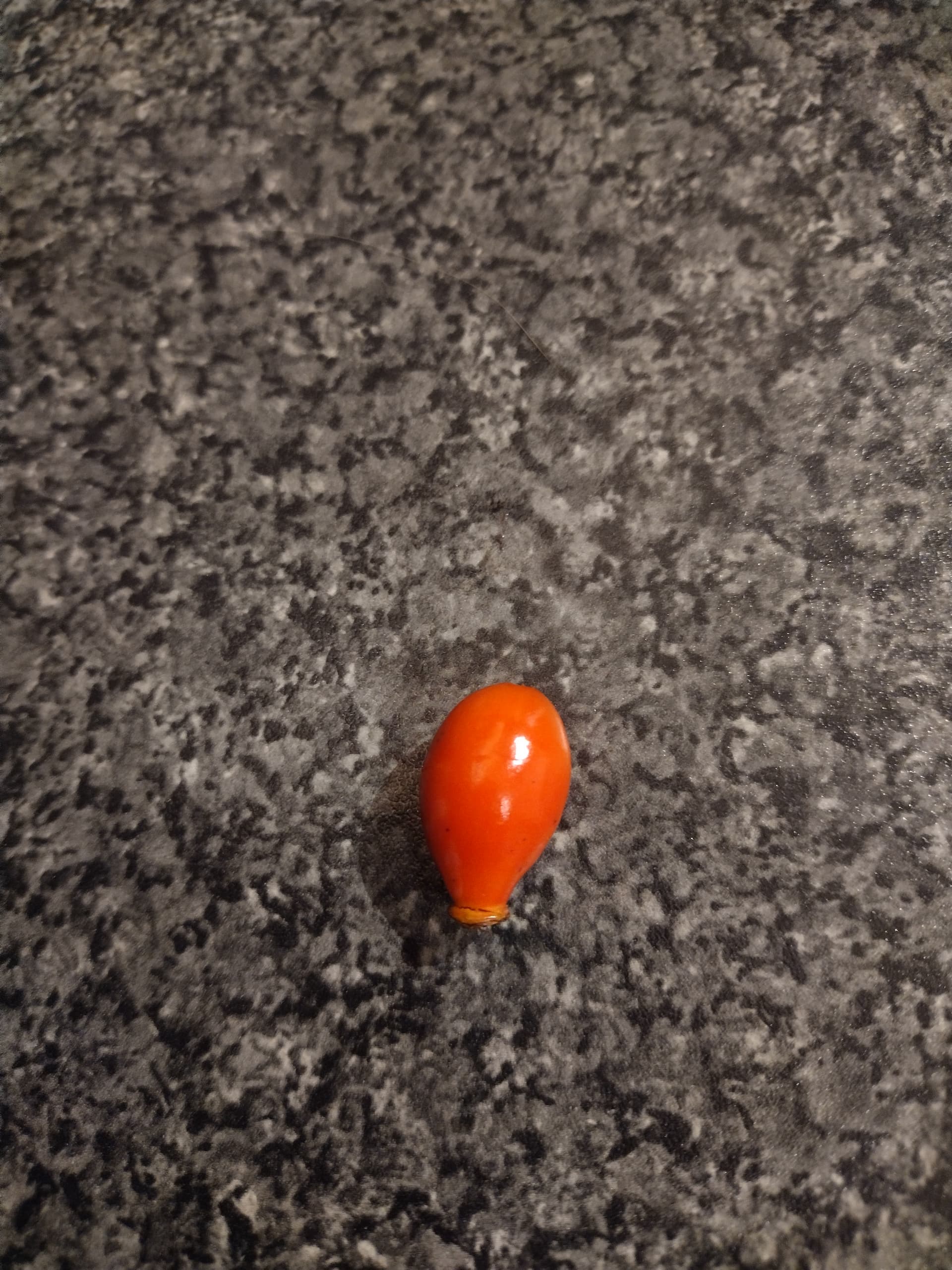
What colour do Rubiginosa hips go when they are ripe? I have done quite a few “wild” pollinations with great success and don’t want to pick them too early! ·
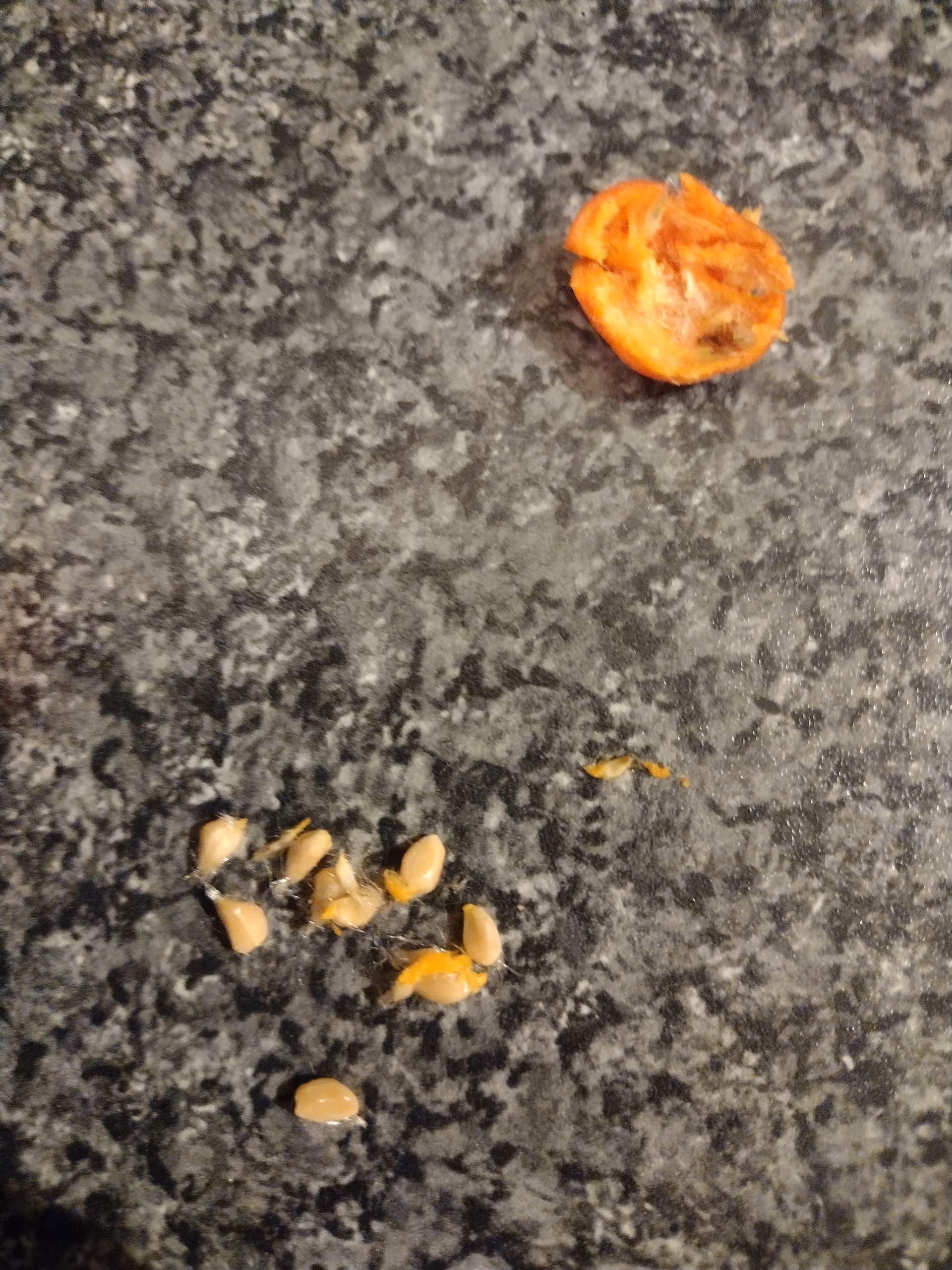
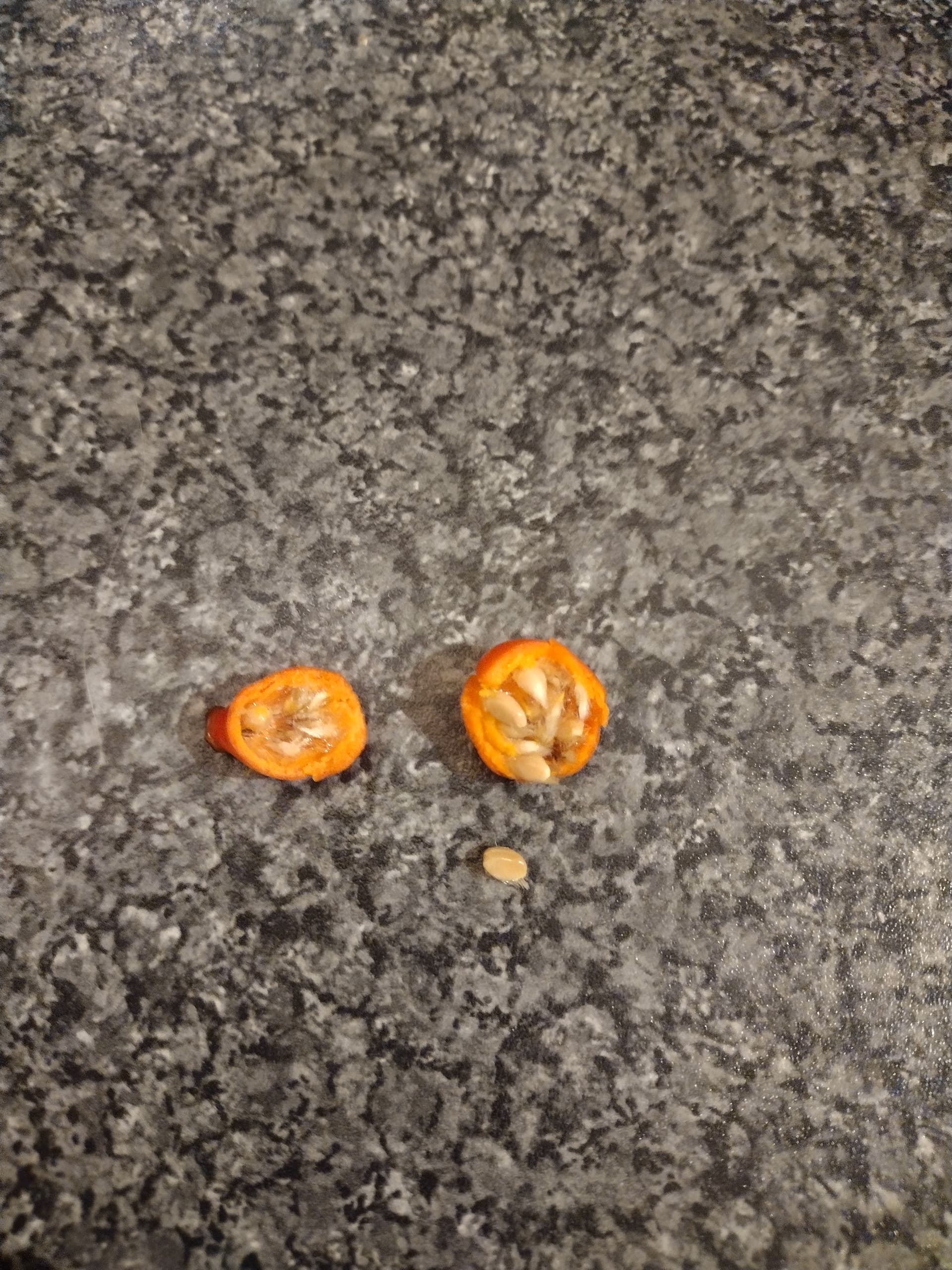
The ripe fruit of R. rubiginosa has a deep red color. You can find many photos online for reference. Of course, you can still use the seeds you have already harvested. It is often recommended to double the cold stratification period for all Caninae seeds (R. rubiginosa, R. glauca, R. majalis, etc.) in order to attain a higher germination rate. Good luck!
Thanks for your response, this wasn’t one of my hips. Just another on the same hedge. So mine can wait a little longer!
A few of the hips started to split on the rose so I have harvested all of them. So they will need 180 days of stratification?!
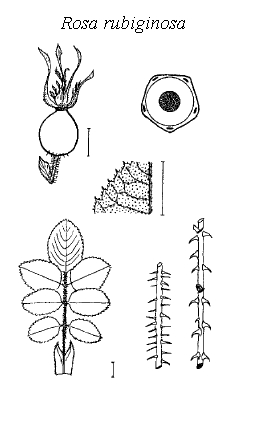
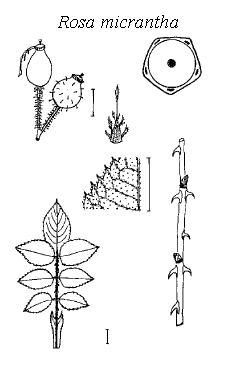
Hello @James_D! Here is a quick note for you.
R. rubiginosa can easily be confused with R. micrantha. Both smell like apples even when not rubbed.
Here are few distinguishing traits:
R. rubiginosa: style wide—about 1/3 of the disc, stigma broad and woolly.
fruit: egg-shaped to round
leaflets: smooth
R. micrantha: small flowers, disc slightly arched with narrow style, stigma small, mostly hairless.
fruit: egg-shaped to jug-shaped
leaflets: darker green as R. rubiginosa, downy haired
Until now, I had no doubt that I have a R. rubiginosa. Now I am unsure and need to take a closer look. The apple scent alone is not a reliable indicator. Perhaps this information is of interest.
I think what I have used is Rubiginosa from this… could be wrong! Basically near where I live thousands upon thousands of wild native roses grow in terrible soil, where other than gorse and brambles nothing else does. Over the years I sought out the strongest apple smelling ones out of a very large area… I then heavily pollinated them this year…. Hopefully they will pass it out on
Something I’ve been meaning to ask for a while: my R. rubiginosa seeds from last year didn’t germinate within the first germination cycle. Apparently, they really do need two years of dormancy—or was it different with your seeds?
Out of 168 seeds of the same cross onto Rubiginosa of the same cross (Filipes Kiftsgate) I had around 34 come up and have culled 4. So maybe if I had kept the seeds another year I would have got more. I did 1 6 month stratification period. Shame to hear none came up in the first year. My theory is the 20% Kiftsgate gave those seedlings more growth hormone to help break through. Very vigorous. I don’t plan to ever do the cross again. Most look very similar. The space and commitment of the trial of these roses will take years. The soil cost will be substantial but I will see it through. I guess I would never have done the cross with what I know now, but maybe naive uneducated me was right all along.
Thanks a lot for the interesting information! I hope things will start to germinate early next year; otherwise, it seems to be a matter foremost of the lack of the chromosomal compatibility. Last year’s agrestis seeds didn’t germinate either. Even in the case of R. glauca, none of the seeds from a specific cross germinated. I also tested the germination rate of some Apomixis seeds as an experiment. However, these sprouted but not earlier than the second year.