The best sort of container I have found for holding and storing collected pollen thus far appears to be a 2 Oz clear (e.g. PET or something that can survive dish-washing if need be) wide-mouth, low plastic jar with relatively straight walls. (I am open to considering other options.)
There are MANY vendors for such, and, with lids, they appear to run about $0.80 a pop plus shipping for reasonable runs.
I suspect there are cheaper options, and wondered if others had shopped for such.
What are you folks using, and where have you sourced such?
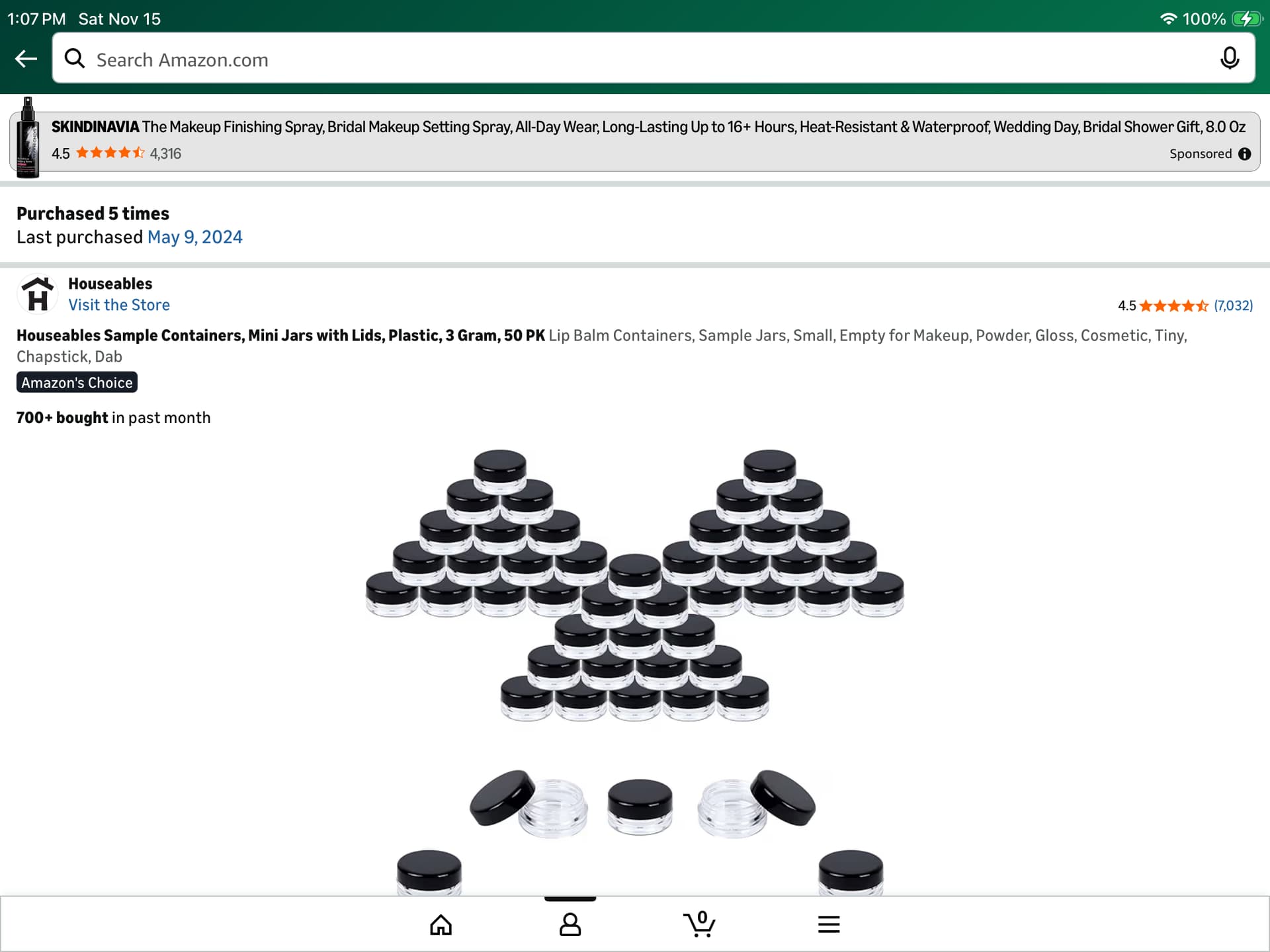
I’ve used these for the last three years. I like them because I can wrap a single finger around them, and still have my index and thumb free on one hand while I manipulate the tweezers with the other hand. And they don’t take up much room in the freezer.
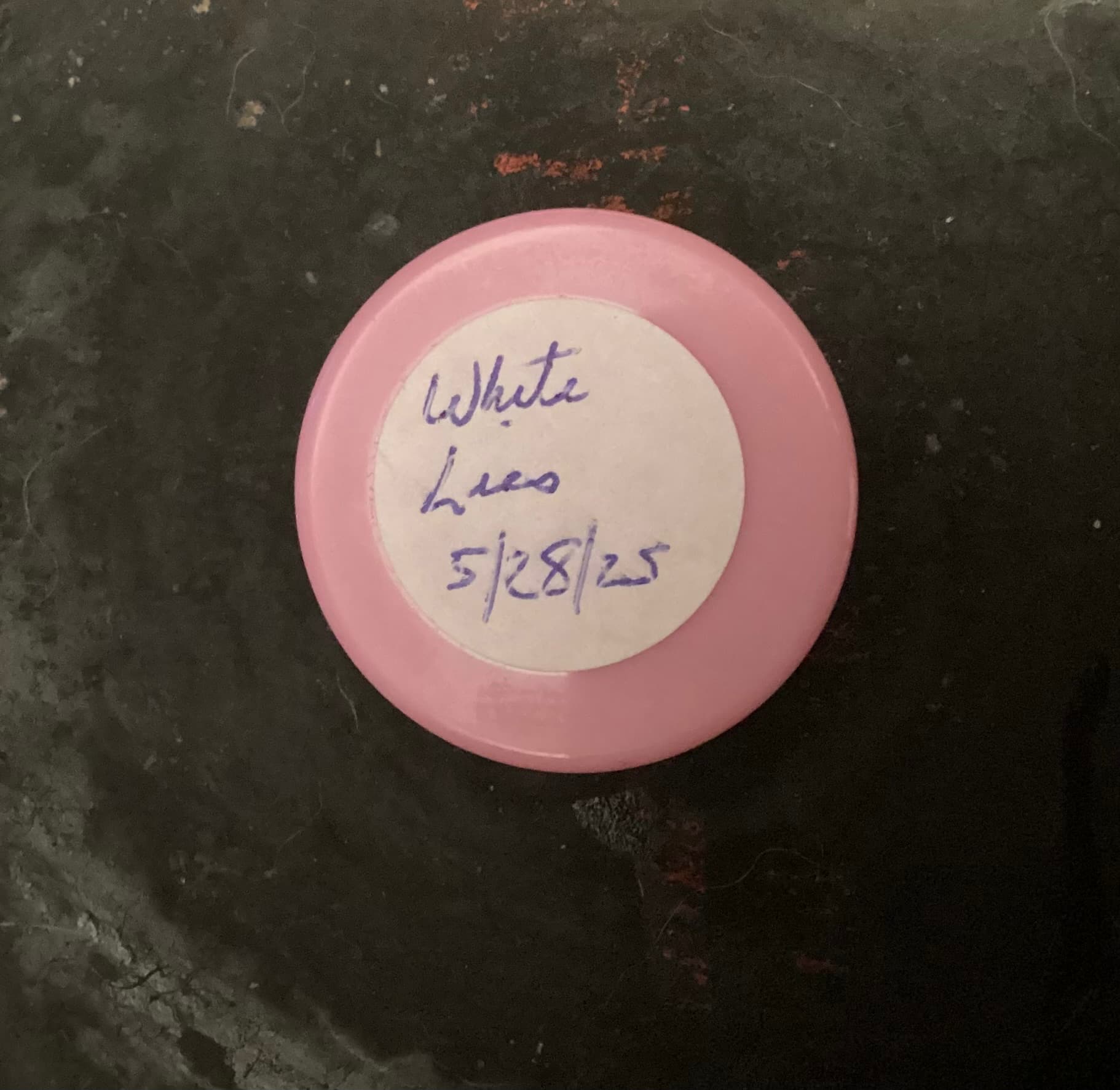
You can get them with different lid colors, which I use for differentiating years.
What a neat product! Thanks for sharing. I’ve been using the glass baby food jars I collected from my sister back in 1994 from my first born nephew and then in 1996 when his little brother came along. I like being able to write on them in Sharpie and being able to run them through the dishwasher. If you haven’t those available, the sample containers should be a great alternative.
I’ve been using empty pill bottles which seem to work pretty well, especially the dark blue ones. I’ve even switched to using them for stratifying seeds too, much less mess than the ziploc/paper towel method and they’re reuseable.
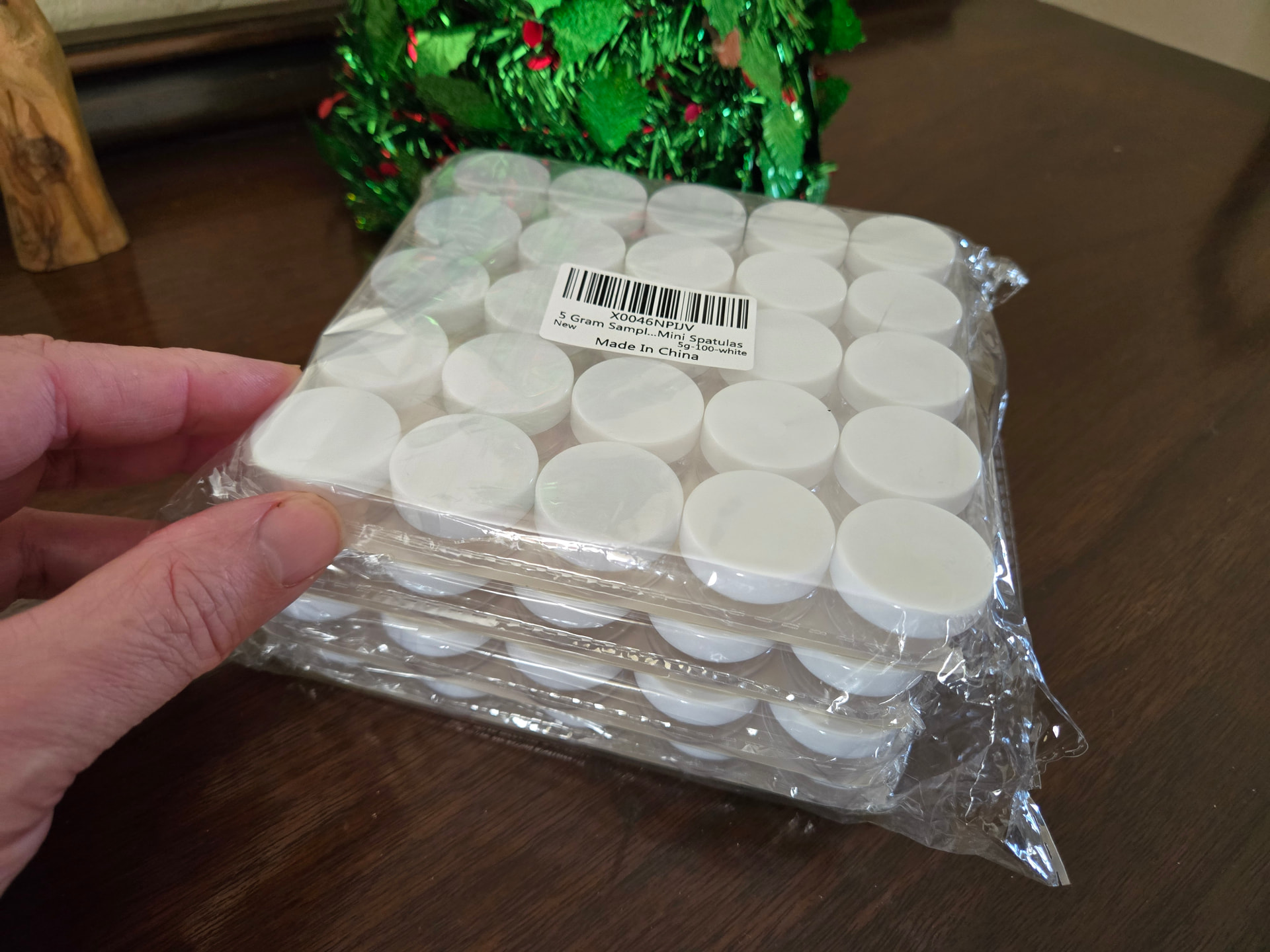
That is much cheaper than what I was finding. Would probably aim for white lids personally – I have, with the small PET food jars I have, been able to scuff the lids with sandpaper creating a surface I can write on with pencil, wash off with a little soap so they are easily reused and switched out… Don’t know if that would work with a softer plastic, but at only 15 cents a pop…(!)
1 1/8” dia. seems small, but is probably the ideal size thinking about it…
I have used the 35mm film canisters for years. I prefer the black ones as it is easy to see the pollen. They are washable but not the easiest to find anymore as most cameras are now digital.
I think that I’ve mentioned my method before, although I haven’t seen much indication that other folks have tried it, but I tend to dry my anthers on pieces of (ideally heavy-duty) aluminum foil, writing the name and date. Once the anthers have dried, I fold the foil up, label it again on the outside with a Sharpie marker, and then place it in a small plastic zipper-sealed freezer bag, which can be stored with other bags inside of a larger plastic freezer bag. I keep them in a deep freezer until I need them. In addition to the low cost of materials and relatively compact storage, it’s easy to warm the frozen pollen back up to outdoor temperatures in a hurry using your hands. That’s an important step to take if you want to avoid having atmospheric moisture condense on the cold pollen/anthers, which affects both pollen viability and transferability. Treated properly, leftover pollen can be re-frozen. If I am planning to store a large quantity of pollen from a particular parent, I usually try to break it up into multiple batches/pouches.
That makes good sense Stefan. (Methinks you might have steadier hands and lighter breezes than I though – I believe I would spill the pollen on my first fertilization foray!)
I often reshape the foil into a sturdier “cup” (even curling the edges inward) when it’s windy; if you crumple the edges a bit, they become much more rigid. You could probably also just slip the opened foil pouch into another container to provide more support. Having the same pollen divided into multiple smaller batches is a nice safeguard against any occasional loss for any reason, and certainly helps to extend the life of the pollen if you’re going to be making many pollinations using the same pollen parent during hot, humid weather (since each exposure to that weather is likely to reduce pollen viability even if you’re being careful to warm it first).