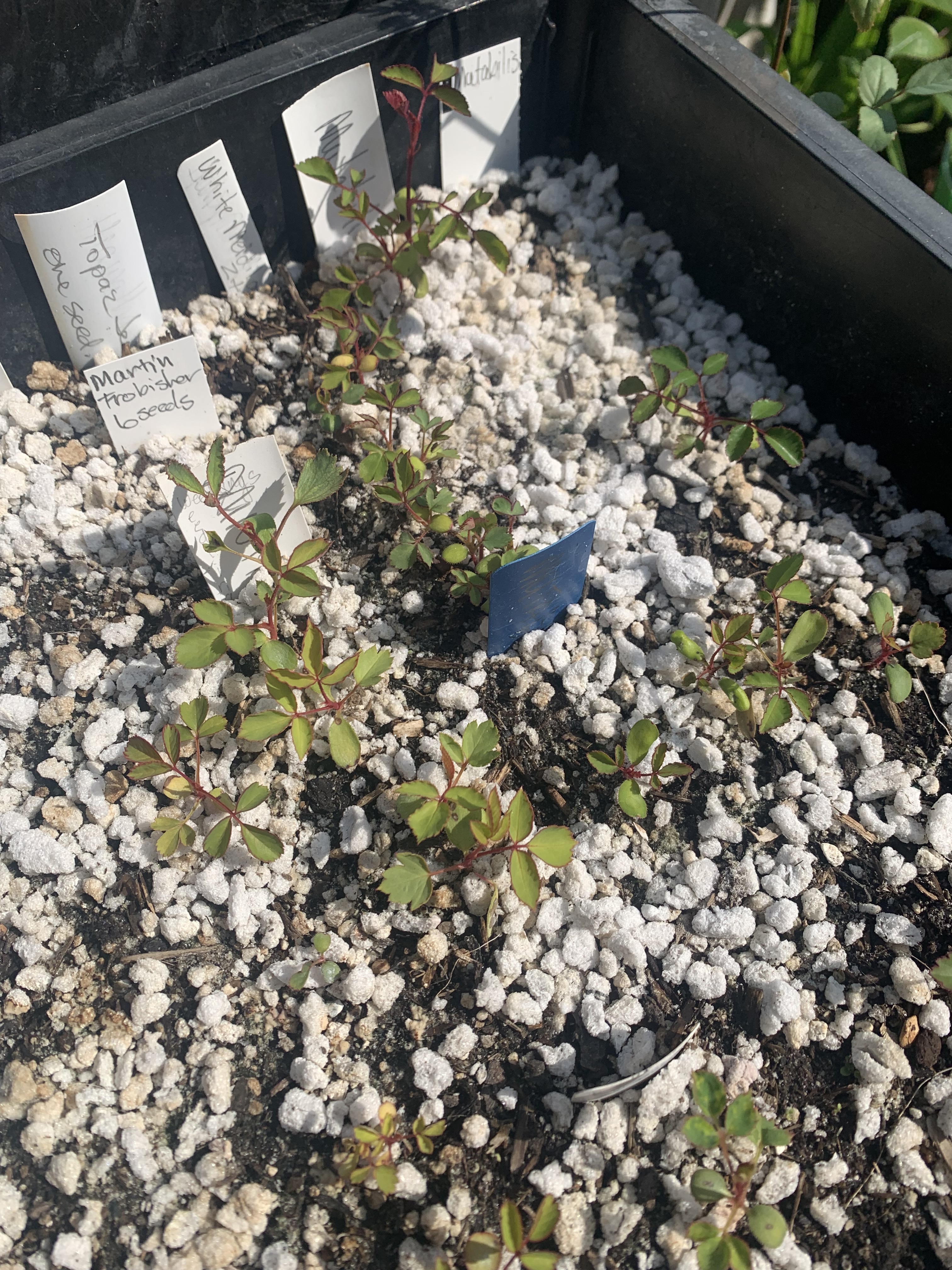
Growing rose seedlings “in the lap of luxury”, and…
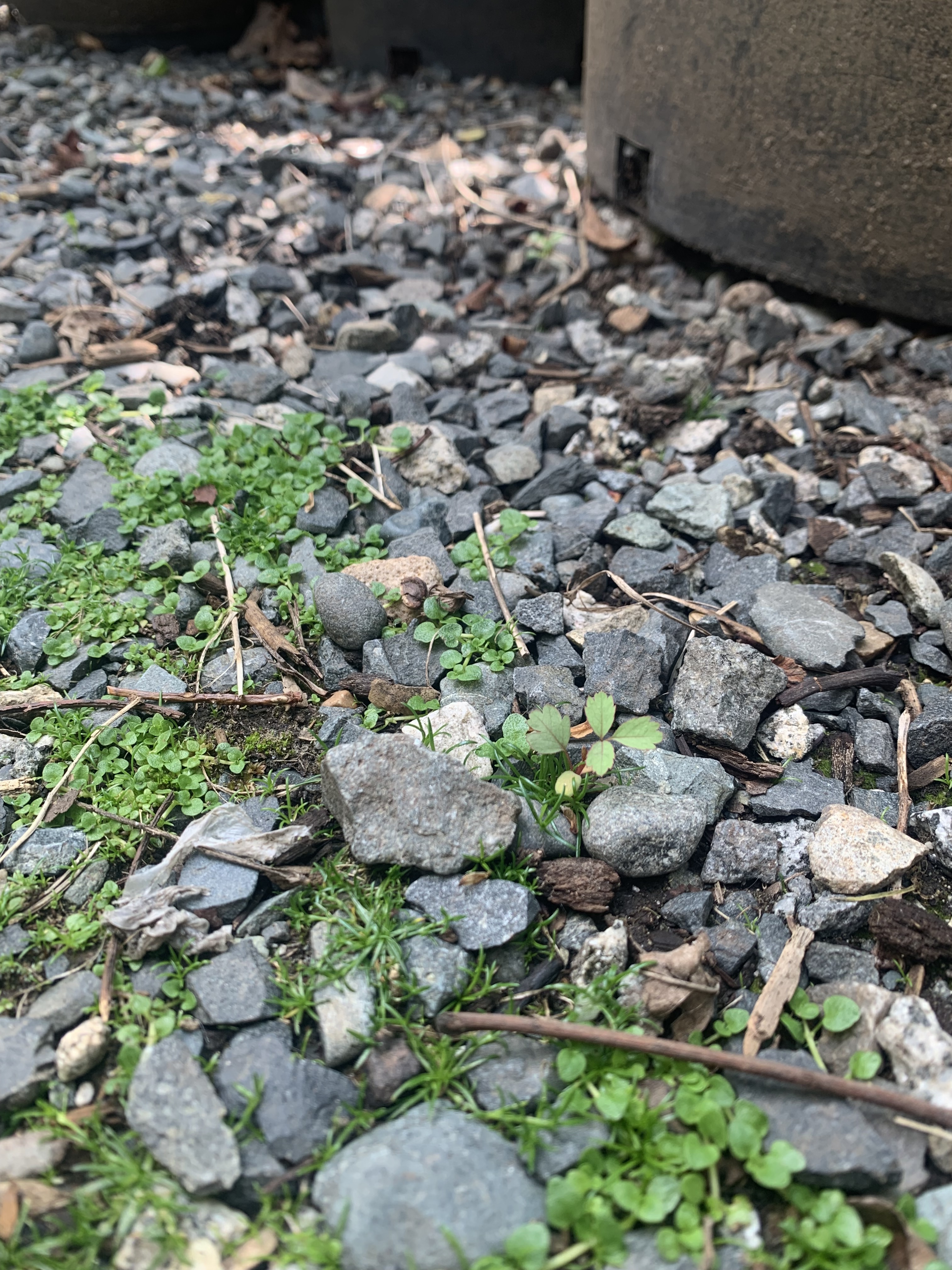
…then THIS randomness, growing equally-well in the gravel walkway!
Good thing I’m medicated. All I’m saying.
3 Likes
Add the probability that the ones self germinating in the walk will likely turn out to be the more durable, happier plants and it really makes you start to wonder. “Volunteers” often turn out to be wonders.
1 Like
I’m rather curious about which rose’s seed it could be, germinating there. I left rather a lot of ‘Trier’ and ‘Ballerina’ hips to overwinter for wildlife. Possibly a glauca seed, though it’s not terribly “blue”, and I selected my plants for their spectacular foliage colour.
2 Likes
Most likely either Trier or Ballerina. Both are multifloras and they are infamous seeders.
1 Like
I think that seedling looks a little stoned.
3 Likes
Touché, mon frère! lol 

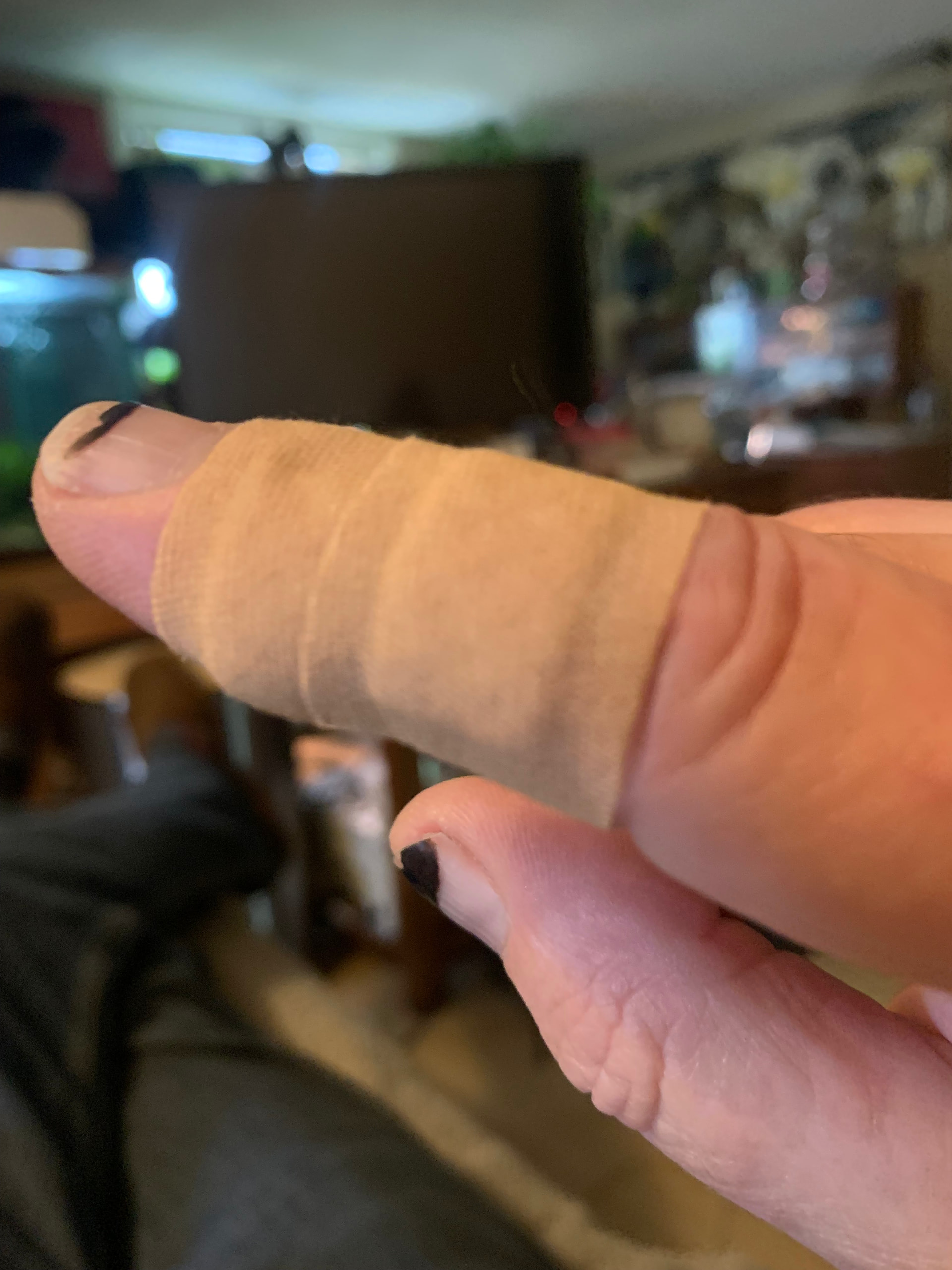
A two bandage problem! Must be quite the gash under there. Which rose was so thirsty for a “blood meal” that it would so thoroughly bite the hand that feeds it? (not Audrey II, hopefully.)
1 Like
It’s sliced me long, but not deep.
Twas the hulthemia-hybrid ‘Bull’s Eye’ (Pejamore) that did me dirty. It is BEASTLY in thornage, but thankfully I’m up to date on my tetanus shots. I’m going to use its pollen some this season on much lower-thorned mates, then I’d likely happily see it disappear. Too mean for keeping.
I kinda like spikes. Some are very brutal and scary looking. It keeps unwanted guests put of the garden lol.
2 Likes
This would be my go-to choice:
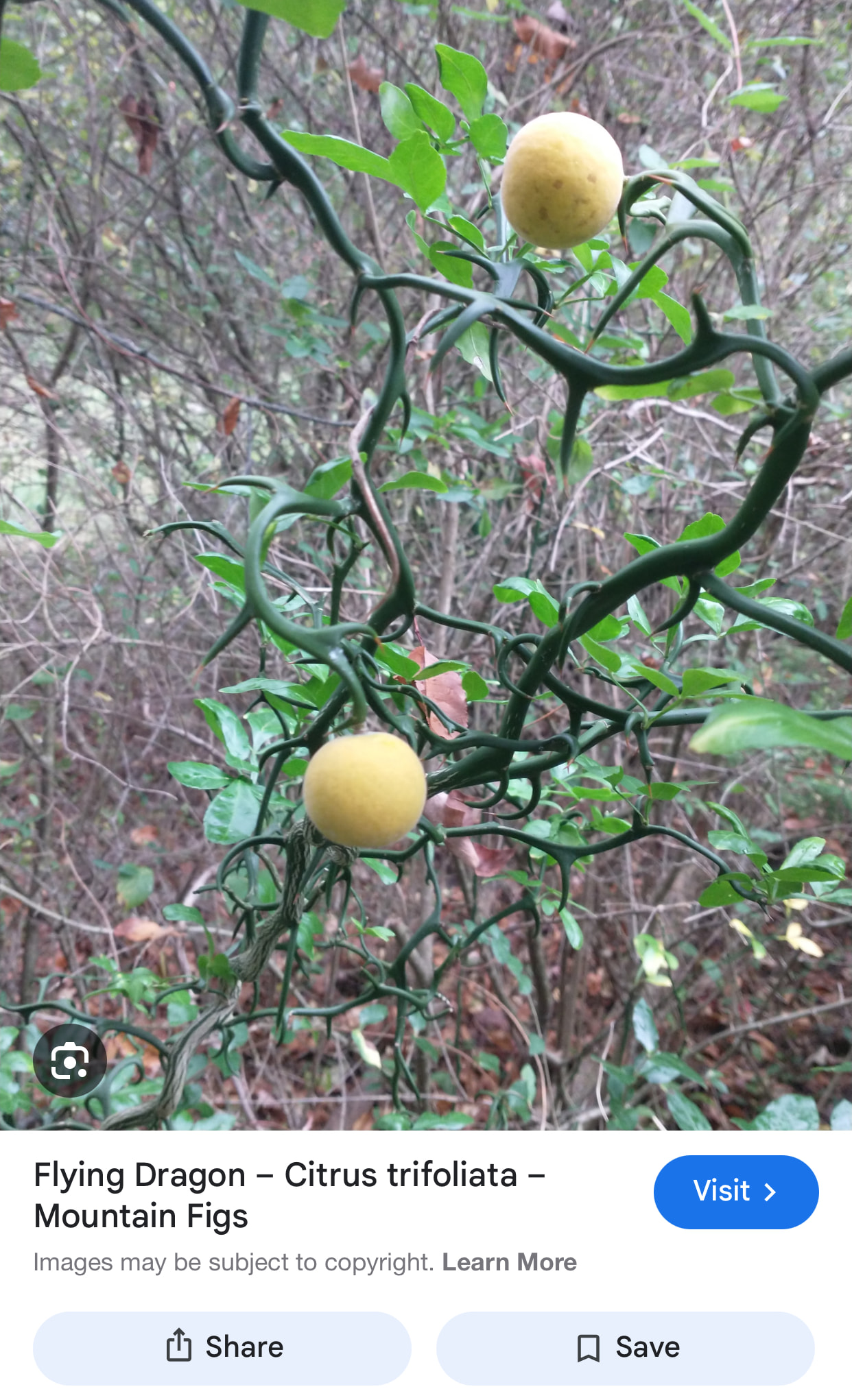
But I’m a bit extreme, and rather like the “Sleepy Beauty’s tower” vibe.
Rose prickles? Bah! I once grew an Osage Orange in my backyard. Those thorns would penetrate leather gauntlets. I eventually tired of the novelty (and bandages), but it lives on as very attractive shifter knob in one of my old cars 
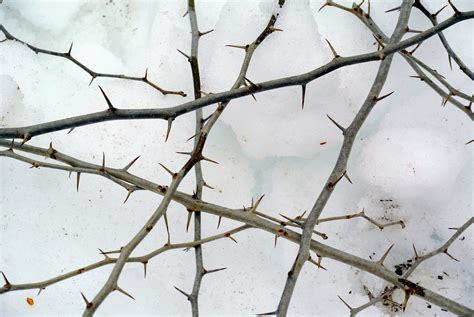
“Prickles”, “thorns”, “bristles”, “spikes”…no matter what you call them, it seems they only repel HUMANS. Livestock, deer and rodents eat EVERYTHING no matter how “prickly”. Rats used to eat the enormous bougainvillea in the old neighborhood. Deer, rabbits, squirrels and rats LOVE roses, even the worst of the worst for prickles. The deer regularly “pruned” the citrus at work in Pacific Palisades, no matter how extreme the thorns. I have to chuckle when reading questions about which rose to use to prevent wildlife from invading.
Here on the BC Coast, they don’t typically touch the rugosas.
But nearly everything else is fair game. They don’t read the “Deer-resistant” listings, we say.
“Deer”, like “roses” can’t read. The Sunset Western Garden book always listed Agapanthus as “deer resistant”, however when they’d flower, the flower bud clusters were all eaten off like Morticia Addams cutting off the rose blooms to leave only the stems in a vase. No one told the deer they didn’t eat them.
1 Like
About twenty years ago I was pondering the veracity of all the “Deer don’t eat Rugosas” statements I was seeing, so I decided to test it for myself. I had a four year old R. rugosa (species) seedling in a five gallon pot, and it was about 3 feet tall with loads of new growth and some blooms. I set the pot outside “the safe zone” (Outside the fenced area) in front of the house one evening and in the morning, the plant had been chewed to sh*t, with every bit of new growth eaten off, all blooms gone and only some of the oldest foliage left. The fresh growth was still soft and the prickles had not hardened into needles yet, so it was perfectly edible, said Bambi.
So don’t kid yourself. Deer will eat the soft growth and blooms off of ANY rose if the opportunity presents itself. The “Deer won’t eat Rugosas” thing is a myth.
1 Like
With all due respect Paul, you stated (with quotes!) “Deer won’t eat Rugosas” is a myth. But I didn’t say that.
What I said was twice-qualified: [(1) Here on the BC Coast], deer don’t [(2) typically] touch the rugosas.
Soft new growths will sometimes be eaten (as your freely-given offering was), but large established plants abound, and aside from an occasional nibble from younger fawns, they thrive unprotected.
No other roses stand a chance against the mule deer (and Roosevelt elk!) that populate our island.
Specifically, here.
Elsewhere? I cannot say anything except “deer are beautiful, and delicious”, which is true anywhere.
@VanIsleDWSmith
My remarks were not aimed at anyone specific, nor intended to contradict anyone’s prior statements — I simply wanted to share what I had learned by testing the premise for myself. Many factors affect the browsing behavior of Deer, and those factors differ from location to location. I have witnessed Deer eating all manner of shrubs and plants that our local “experts” declared 100% Deer-proof and assured me would not be browsed by the local Deer. I’ve had our local “hooved slugs” eat some toxic plants as well, and I can only imagine the result. If there’s enough food supply pressure on a population, they will at least sample anything they encounter.
All I wanted to communicate was that anyone who adopts the “Deer won’t eat Rugosas” concept is likely to be unpleasantly surprised to discover — eventually — that’s it’s not true. It was not my intend to directly contradict anyone else’s experience in the matter.
2 Likes
A hungry “anything” will eat nearly anything when hungry enough. Starving people have resorted to eating dogs, horses, rodents, “innards”, pig’s knuckles, pig’s feet, pork rinds…. Starving coyotes eat California Pepper Tree fruit, even though they are toxic, to have something in their digestive tracts to ward off severe hunger pains. “Resistant” very seldom means “proof”. Perhaps given a choice of another potentially more desirable plant, they may avoid the plant in question and eat the other. Very likely, they choose the eaten plant based upon their perceived safety in eating it due to its location or potential available escape route.
Trouble with most such vermin is they don’t know what they don’t like until they taste it. In some neighborhood in Austin, with lush lawns and residents feeding them with corn, the herds get huge, and a herd of long-legged rats with antlers, each sampling the “deer resistant" plants, will do them in. Rutting deer will sharpen their antlers and giant, wicked agave, completely trashing them.
2 Likes