I’m not getting very good germination from my rose seeds. I’ve tried cold stratification in the fridge, treating with dilute peroxide, sowing in pots in the autumn and leaving it to nature outside. But I reckon for every 10 seeds I sow I probably get one germination, not a very good percentage. I would greatly appreciate any tips.
There are many variables which affect germination. Type of varieties or species can be a significant factor. Some types are real bears to germinate while others seem to sprout like grass. What you’re using to plant them in can also make a difference. Perhaps a fuller description of what you’re trying to germinate (moderns, species, etc and perhaps which ones); what you’re using as a planting mix; time of year and location may help others provide their best suggestions.
5 Likes
I have decided phases of the moon and straight up voodoo are the predominant factors…
Seriously.
Some years I have gotten roughly 50% germinations from hundreds of seeds followed by zero the next year using the exact same parents.
Convince me I am wrong. Somebody. Anybody.
(Some parents do tend to give dud seeds, but I am assuming you speak from experience with multile batches using differebr parents. Also some species do appear to have different needs/tolerances for abuse.)
Following with interest..
4 Likes
Unless your where liquid water will turn to 4” to 12” plus of ice on lakes in winters my experience not relative.
I started at zero, to minus, success rate for a few seasons for “hardy” rose varieties (-35C low snow cover winters). Out of zone rose hybridization and germination a grade 2 level discussion. I am at grade 1 and scratching into grade 2
Now slightly above zero germination, say <1-2% for hardy if l add into the denominator all varieties tried in a season.
All variety numbers include just for a lark tries, iding good germinators using non crossed or opies (that really worked for moving to crossing non-hardy (seed parent)) with hardies like the old time experts ventured to, and odd ball crosses.
Ploidy science came later for me to move to using … moved from crapshoot to 5 card stud poker. Table always wins for one.
Then there is germination rush episodes for some hardy single species and cross varieties.
Have hit 10% to 40% for single hardy varieties - but again when add all tried still very low number.
I’ve had success - but never consistent.
Started above zero success after threw out mist web based information and went back to my formal engineering training on using observations, fundamentals logic and some itty bitty of minor insignificant science.
Paid attention to farmer “Bob” types and their historical records.
Listen and learned using a muted healthy, but not an arrogant obnoxious, level of skepticism if out of my paradigm. Always believe after l’ve tried it - not before unless l detect a sound basis.
All rooted in observing climate soil parameters, natural seedling germination conditions and my last observation of late, try? never, as been sort of mimicked in tests and the results were less than convincing plus real thing a biohazard and complicated.
But some synergistic relationship obvious in natural world from observational quality data.
The above went hand in hand with reading about, plus observing from bald butt prairie origins, Canadian pioneer generators of historical giant steps forward … and a Finlander or two who provided visible proof of process and results (on the web). Don’t doubt since mere from Finnish rock farmer stock.
Oh yeah forgot, bought a bunch of cheap tech devices to make it convenient to mimic nature in indoors in my zone both summer and winter.
All this effort (for me) from convincing myself through testing, not to keep trying to grow out of zone roses artificially (work with nature) and lack of ever growing inventory new hardy options in Canadian garden centres.
Puttering around new roses, in and out of zone, one OOZ and OIZ parent, with zone species, and heritage manipulation as paths as it works - all been done before here. The future for -35C lands.
No money in it and germination will probably remain low but it will happen.
1 Like
I started out just cold stratifying outside, but due to doubts over lack of cold here in se England, I started using fridge. But it seems every step I take to improve germination % actually makes it worse! It could be other factors like partial incompatibility of parents im now using, I just don’t know.
2 Likes
Sounds like a familiar story … found my way out by observation and experimentation. Warm weather experts will lead you out of your conundrum.
Starting with 1/10 germinations would be an amazing early days result back in the day for me.
Based on seeing the growing conditions for beautiful roses growing in hedge rows in Cornwall and Sussex over the decades l would have thought it was warm weather rose hybridizing paradise. How naive of me.
.
1 Like
I don’t know how warm it is in SE England these days, but in my experience, temps above 25°c leads to drastically reduced germination.
I stratify my seeds in the fridge, then leave them out while the temps stay below 25°. If germination is not satisfactory by then, I put them back in the fridge for a few weeks and often they will start germinating in there. Some seeds can really benefit from repeated cycles of cold/warm to improve germination.
However, as has often been said on this forum, the best seedlings are often among those that popped out the earliest of a batch. Still, I think it’s worth cycling to make the most of your harvest!
3 Likes
My spouse came back last week after a month in Cornwall and Surry.
Mentioned that Surry/West Sussex was hottest she ever experienced (grew up in Cornwall). Had to go out and get a fan to stay at sister’s. The back “glassed in” annex things for sitting/ dining they have on houses in UK was a “no go zone”.
3 days ago in southern Finland … comments from relative its “sweltering” ~ 100F
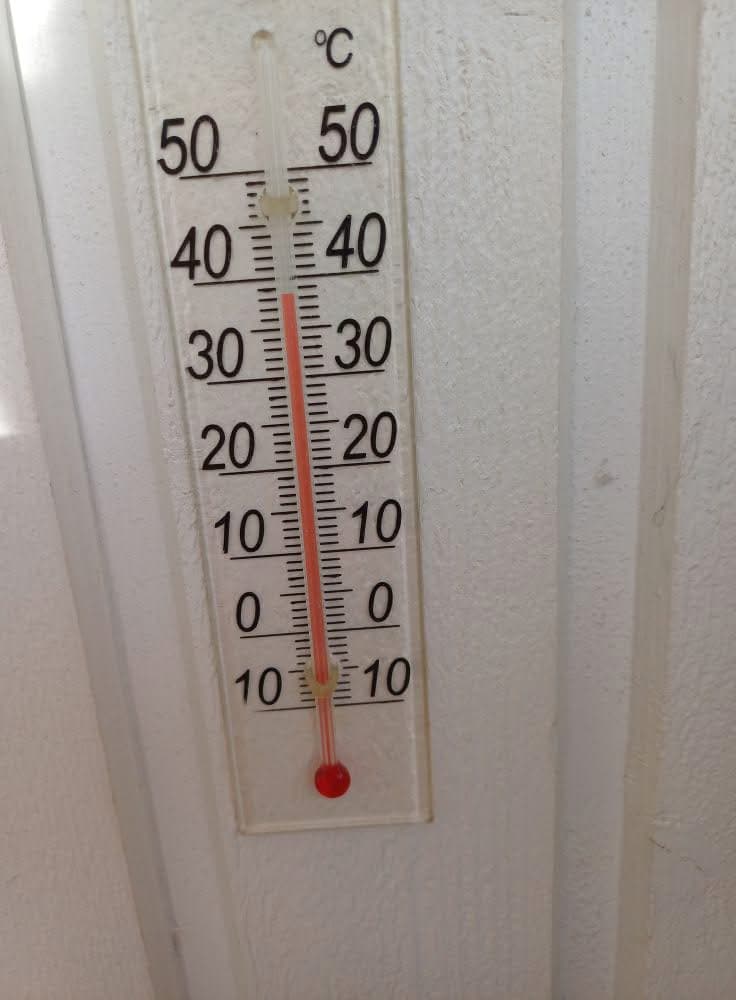
Our weather here (central Texas) is all over the place, and I tend to assume (as a means of excusing myself my own ineptitude) that the weather leading up to harvest is a predominant factor, but have not been scientific about my processes/data collection to really know for sure. (Last year I collected over 40 lbs of peaches off my peach tree, the year only 3 peaches. This year my near-species roses did not bloom at all, whereas last year I had decent displays, etc.)
2 Likes
Thanks. Maybe I will try repeating the cold cycle.
Germination rates can vary strongly from cross to cross. You can optimize your stratification procedure, but it may bring very little or no effect. Some crosses will be more ‚effectife‘ in terms of germination than the others. There are also types of roses which will not germinate in the first year. Some crosses of once–blooming roses, spinosissima hybrids and many species roses and their hybrids will not germinate straight after stratification. They will need one more year or even more years. In that case it will not matter how ‚good‘ was a stratification procedure.
10% germination out of the box is great.
1 Like
Yes I always leave my sown seeds for an extra year for any late developers and I normally get the odd one. But nothing worthwhile so far.
I average around 15%:I harvest hips (Yes, results vary with the cross) as they ripen in Oct, Nov, each when only part orange/red so the pericarp (the hard coating on the seed, protecting the embryo) isn’t too thick. Of course, I keep baggies in the fridge with the name of each cross, labeled for example, Oso x 2022–that’s Oso Easy Italian Ice x one of my unnamed seedlings.) I stick each hip in the fridge (to simulate nature and avoid moldy stuff if I, as in earlier years, had shelled them, put 'em in paper toweling and a quick dunk in one part Clorox with 5 parts water) I have no idea if the moldy stuff is salubrious or harmful. The argument for salubriousness is that the mold starts to break down the pericarp. The argument against is that it penetrates and damages the embryo. Around Christmas, on a single half day so I get a rhythm going, I shell 'em all, a quick dunk in 1 part 3% peroxide one part water, then I plant in deep flats–Miracle-Gro moisture-retaining potting mix with perhaps 10% perlite added to reduce dampoff risk. Whaddya think?
1 Like
Interesting idea leaving them in the hips. Where do you put the sown seeds to continue their stratification?
I harvest the hips in Oct and Nov, so by the time I shell them around XMas time, they’ve had enough stratification.
Ok maybe that’s where I’m going wrong. I try to get 3 months stratification
1 Like
Stratification depends upon what you’re trying to germinate. When I lived in the Los Angeles area where there was traditionally heat until late November, I refrigerated them to prevent germination until I planted around Thanksgiving (late November) when temps historically were lower, back in the range where rose seeds germinated more successfully. The rains historically began around then, also, so keeping them watered was not the issue it was otherwise. Now, I live in a more coastal climate where the temps are in the preferred germination range most of the year, except late summer to early fall when “summer weather” usually arrives. I haven’t refrigerated seeds in nearly twenty years. I keep them in small ziploc bags in the house until I am ready to remove last year’s crop from the tables and plant the next batch. They germinate well enough to provide me FAR more seedlings than I can comfortably handle.
I germinate mostly modern roses with some modern X species crosses. I don’t breed for “Arctic hardiness” as I have no expectation of living where that is necessary nor having any of my efforts being grown where it is. The species I explore are Minutifolia, Stellata mirifica, Hugonis, Primula, Xanthina, Banksiae, Spithamea. I haven’t found them requiring refrigeration to germinate successfully.
5 Likes
Three months (or more) of stratification are usually necessary for me to see much germination in my more continental climate, and it is unusual for any rose to germinate for me with as little as one month of stratification. As already mentioned by others, success rates and germination speed seem to vary according to both the parentage and the weather. My first seed from last year’s crop has just sprouted after roughly six months under moist, cold treatment, which is an exceptionally late start. It was very hot for a long stretch here last summer, so that might have had something to do with the delay. I might have lower germination rates, too, but that remains to be seen.
Stefan
1 Like
I’m not even convinced the artic hardies need it. I got a lot rugosa, spino’s, glauca, etc back in Sydney when sowing beginning of fall/autumn and germinations before winter, so never really experiencing any real chill.
now down in melbourne (~8hrs drive south, so colder) and things are germinating in the middle of winter…I think rain plays a significant part (sydney late summer and fall/autumns are often rainy, rain in melb happened later) or at least rain water vs tap (chlorine and what not maybe?) but I haven’t zero’d in on it.
only thing I’ve not had success with is straight gallica (but only have rosa mundi so sample size is bordering non existant, have acquried a few other gallica so next year + general fine tuning of process in this location may be a better indicator)
1 Like