I just saw the obituary for David Austin in the New York Times. He was 92, died Dec 28. His company survives, with one son also named David as manager. He had other children and grandchildren. His wife, a sculptor, died in 2007.
He opened up the range of roses that people find acceptable by producing repeat-flowering shrubs with a wide range of colors and fragrance. Not adapted to my climate and strains of blackspot. But great in their place. It is reported that there were over 200 named CVs introduced.
Nor are most adapted to my conditions as they demand far too much water to grow and flower. I don’t doubt the quantity of CVs named and introduced. I laugh myself silly considering people in the future trying to determine which one of the early ones is which. So many were so bloody similar.
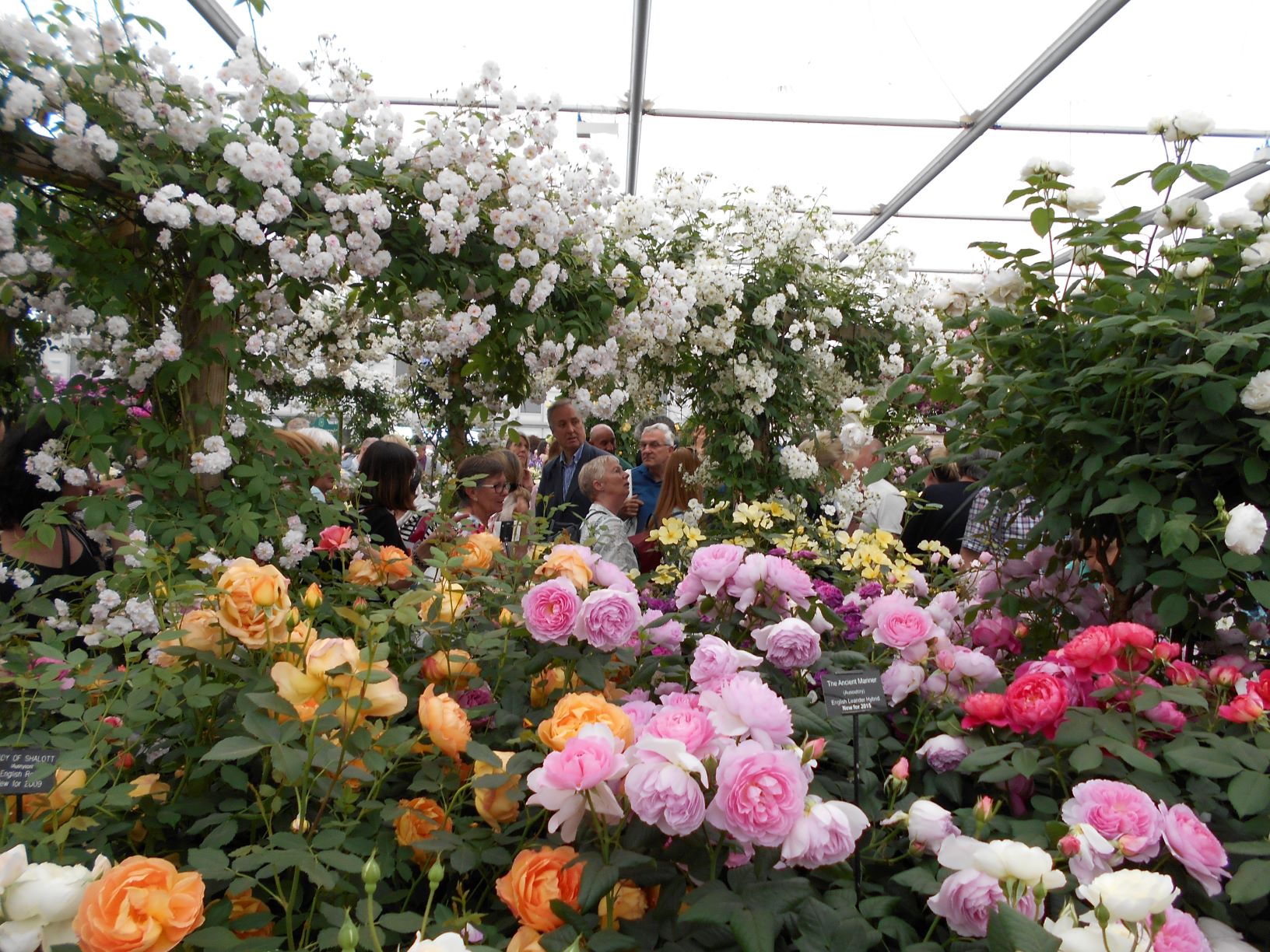
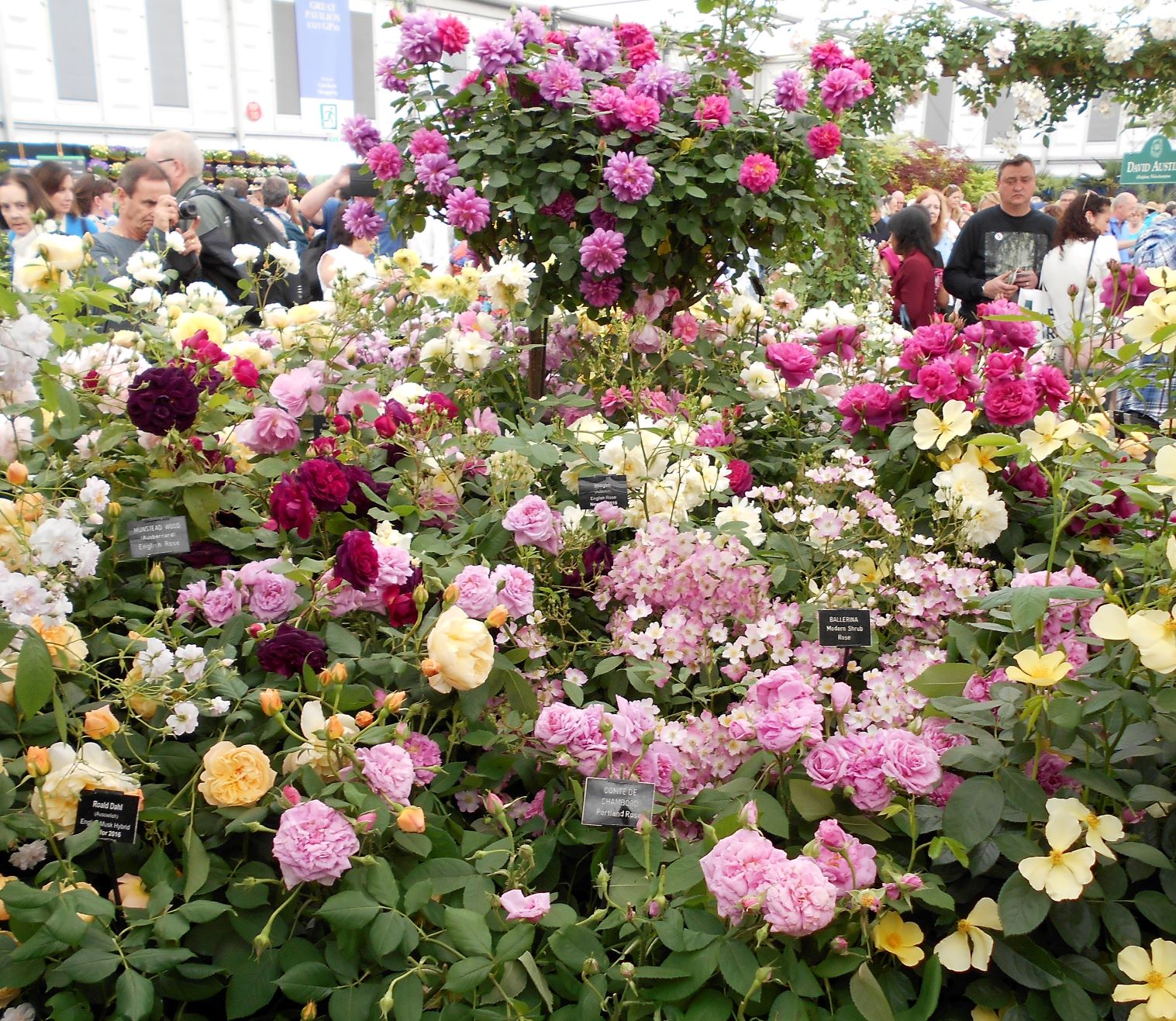
I was fortunate to see his firm’s Chelsea display this past May … left this zone 3 maybe 4a stunned. Gertrude Jekyll is the only rose that still “survives” in my garden (2). Been going for 10 to 12 years - sometimes hit 4 to 5 feet. I will post some pics of his 2018 Chelsea display as l believe it is a fitting personal tribute to one l deem a renaissance rose breeder.
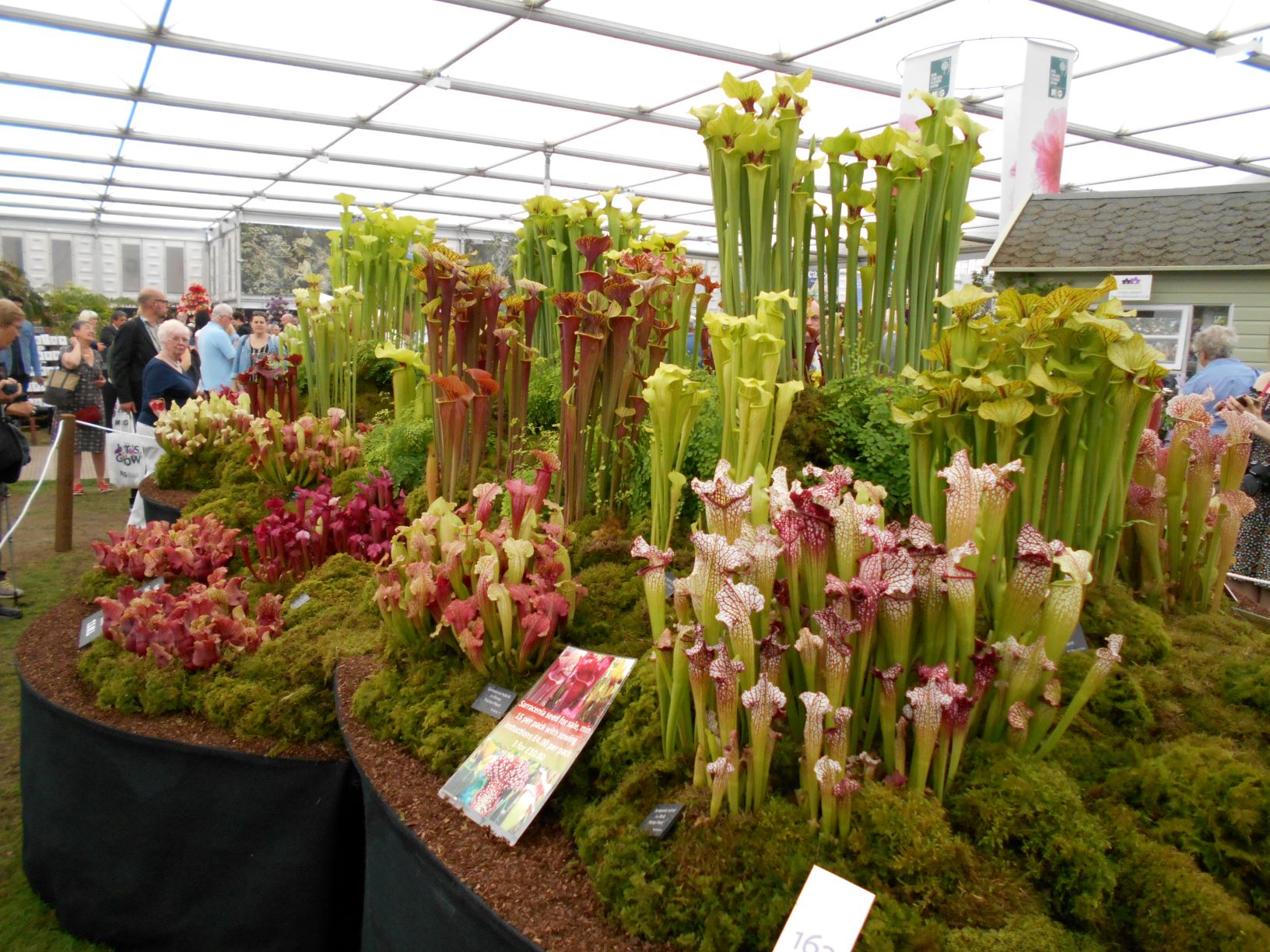
Austin display from 2018 RHS Chelsea, a mix of OGR’s English and modern … also threw a RHS Chelsea Sarracenia display in memory of retired rose hybridizer who advanced the form of modern.
With all due respect, I wonder how many of us would now be on our current paths if not for Mr. Austin’s efforts and successes?
Was he not a champion of fragrance? Wouldn’t we all like to create a Radler tough and Austin fragrant rose?
While we all don’t live in “English” environments, I can report of one that I’m going back to. I have a partially shaded north facing near sidewalk location that Heritage does best in, in my humid 8b/9a Katy Texas location.
My wife got me started in growing roses because she had seen english roses and loved them. Certainly they may not grow well in a variety of places, but for those who love old roses and can grow them in their climate they offer repeat bloom. We have grown them in four states and have not had a lot of issues with disease, just the cold here where we are now. Perhaps we can be thankful that he got other breeders branching out in that direction as well, and they are now breeding for disease resistance also: who knows what beautiful and healthy roses may be available in the future. Certainly we would not complain about a Radler tough and Austin fragrant rose.
Duane