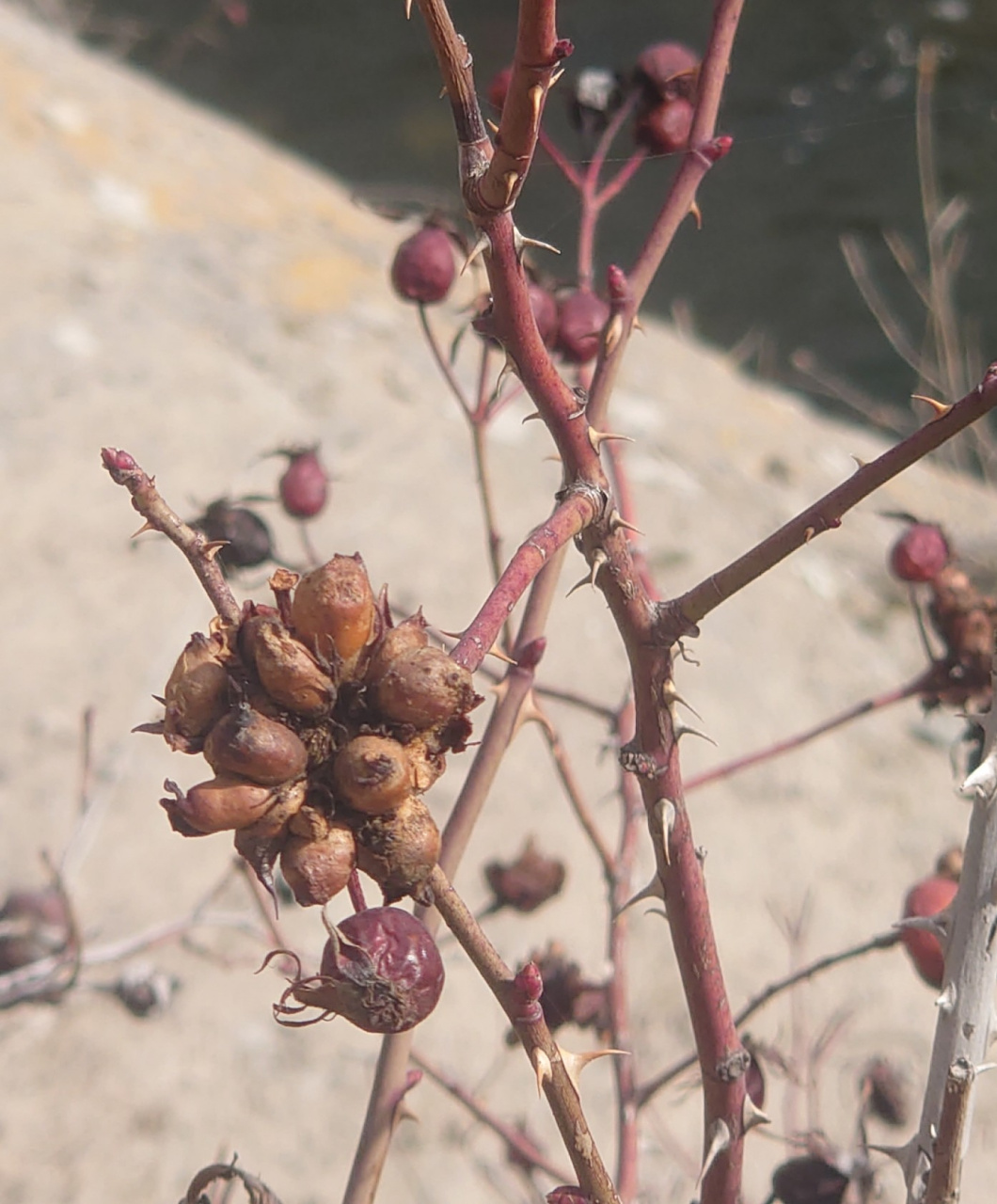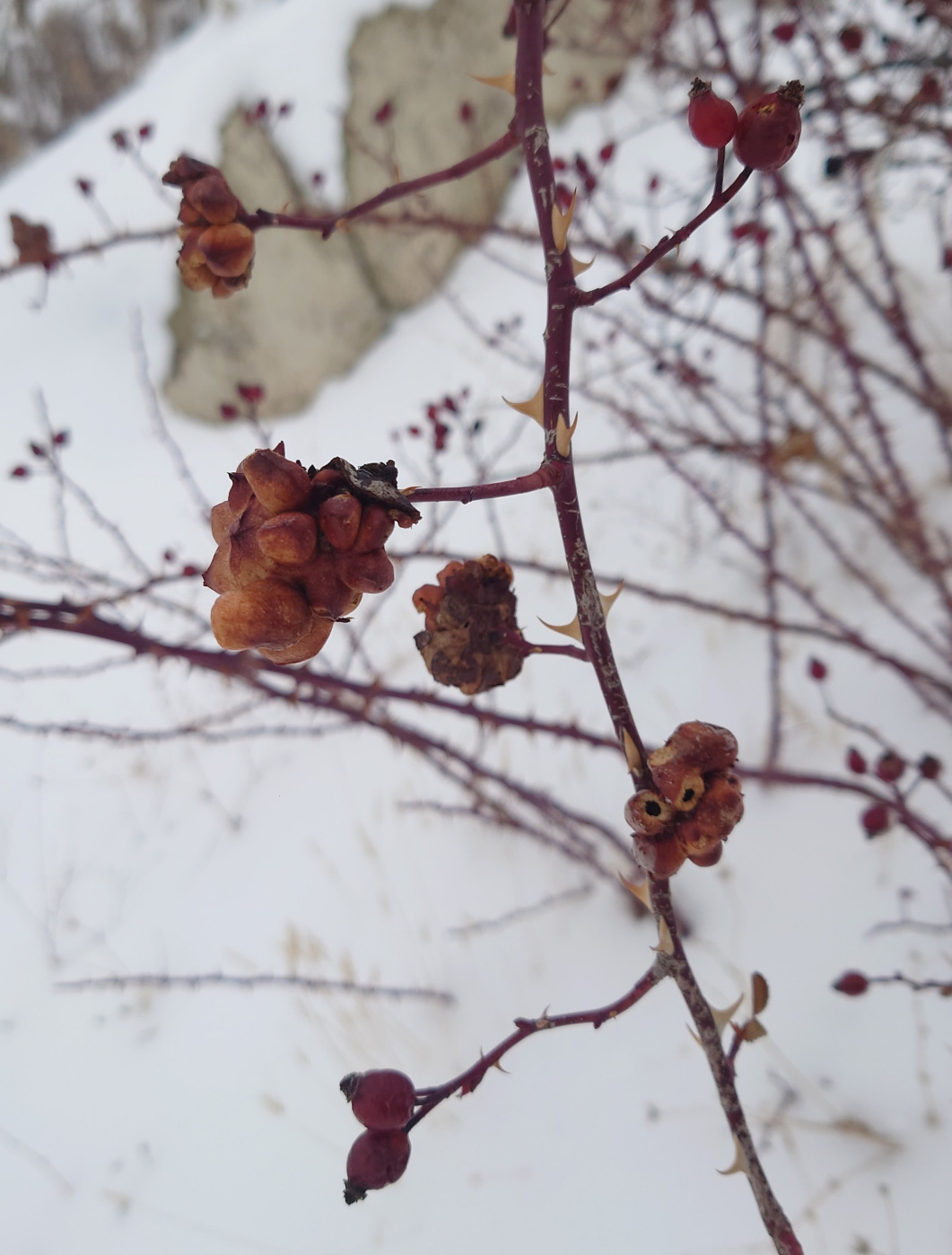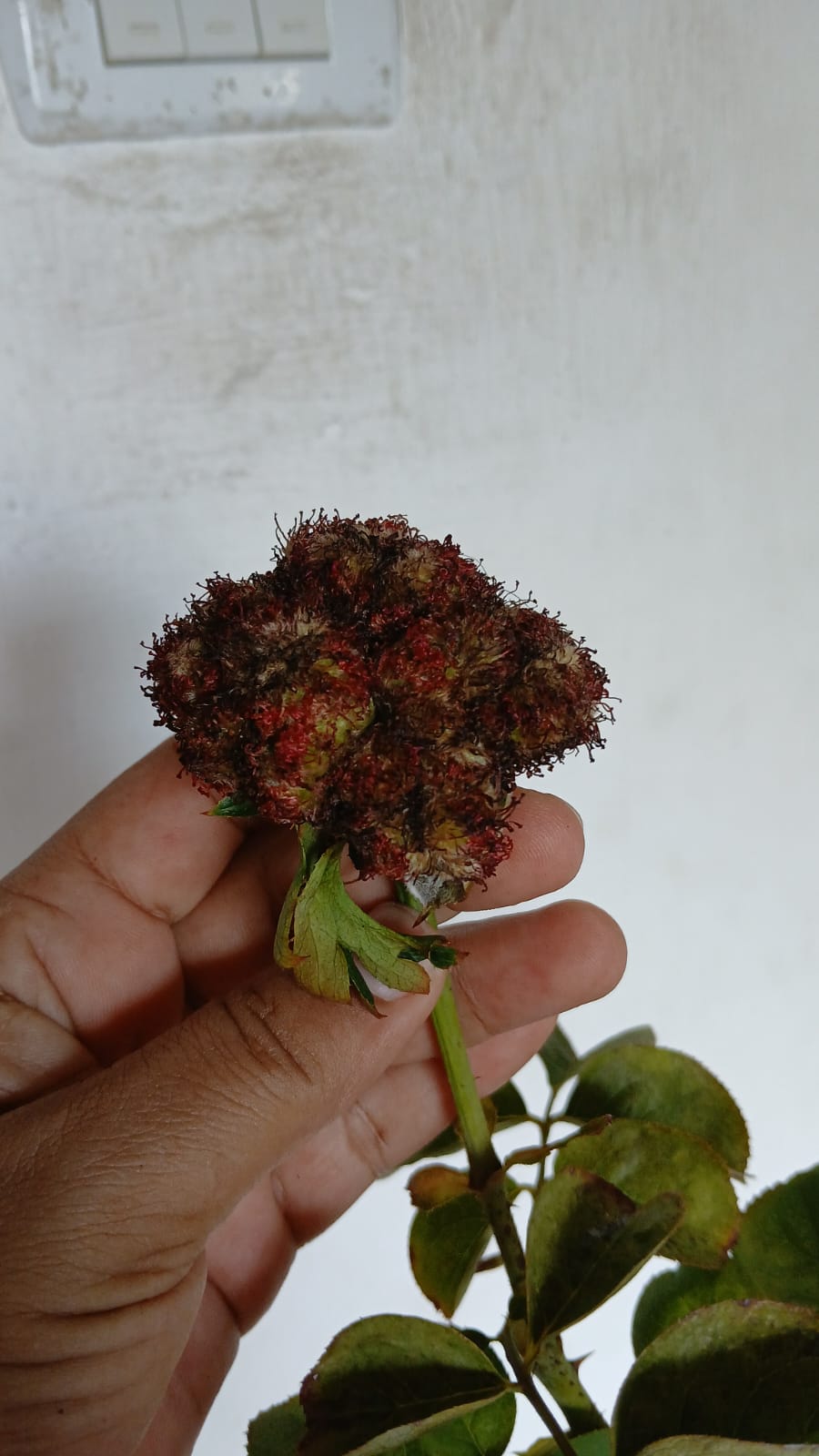
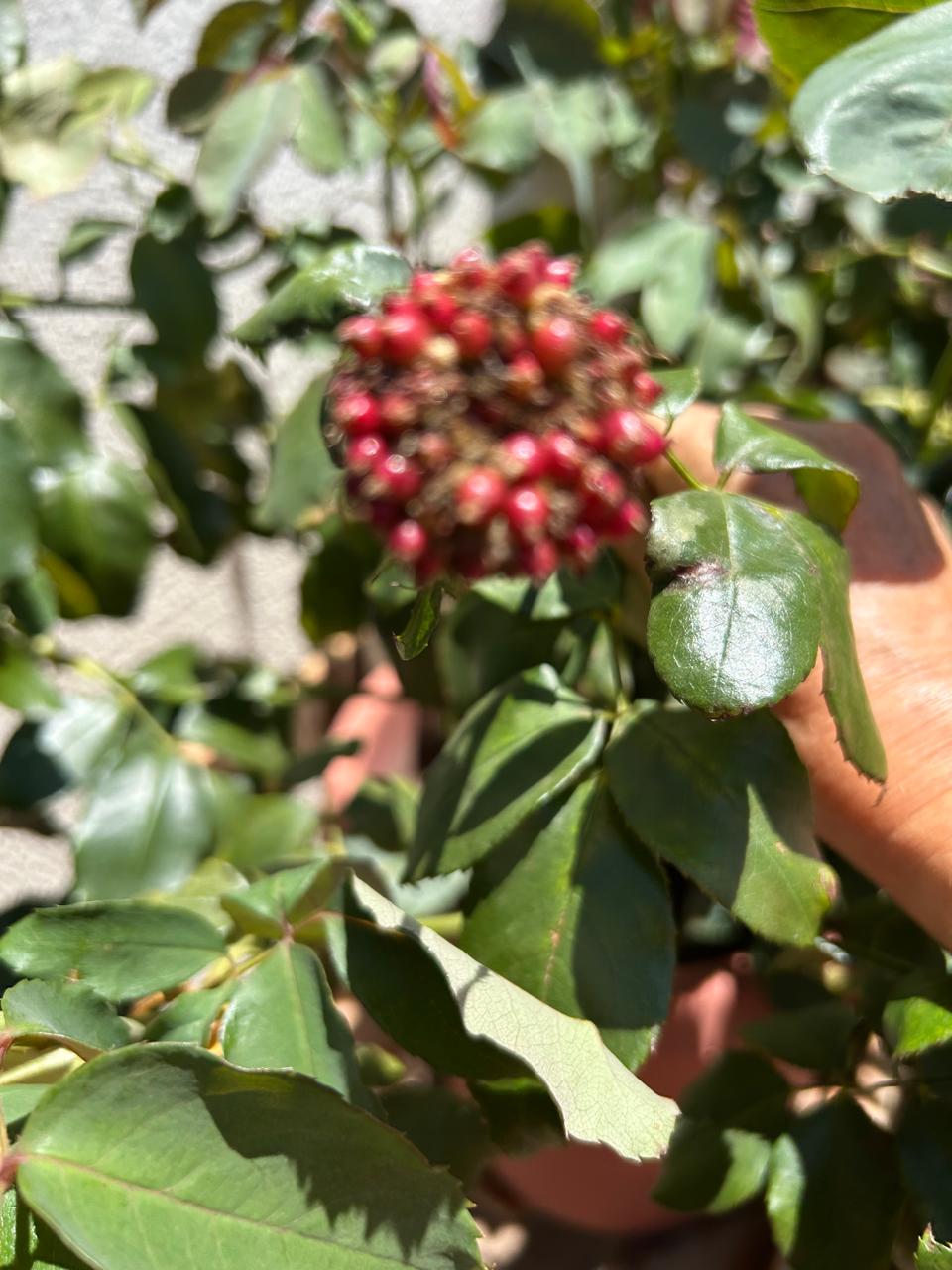
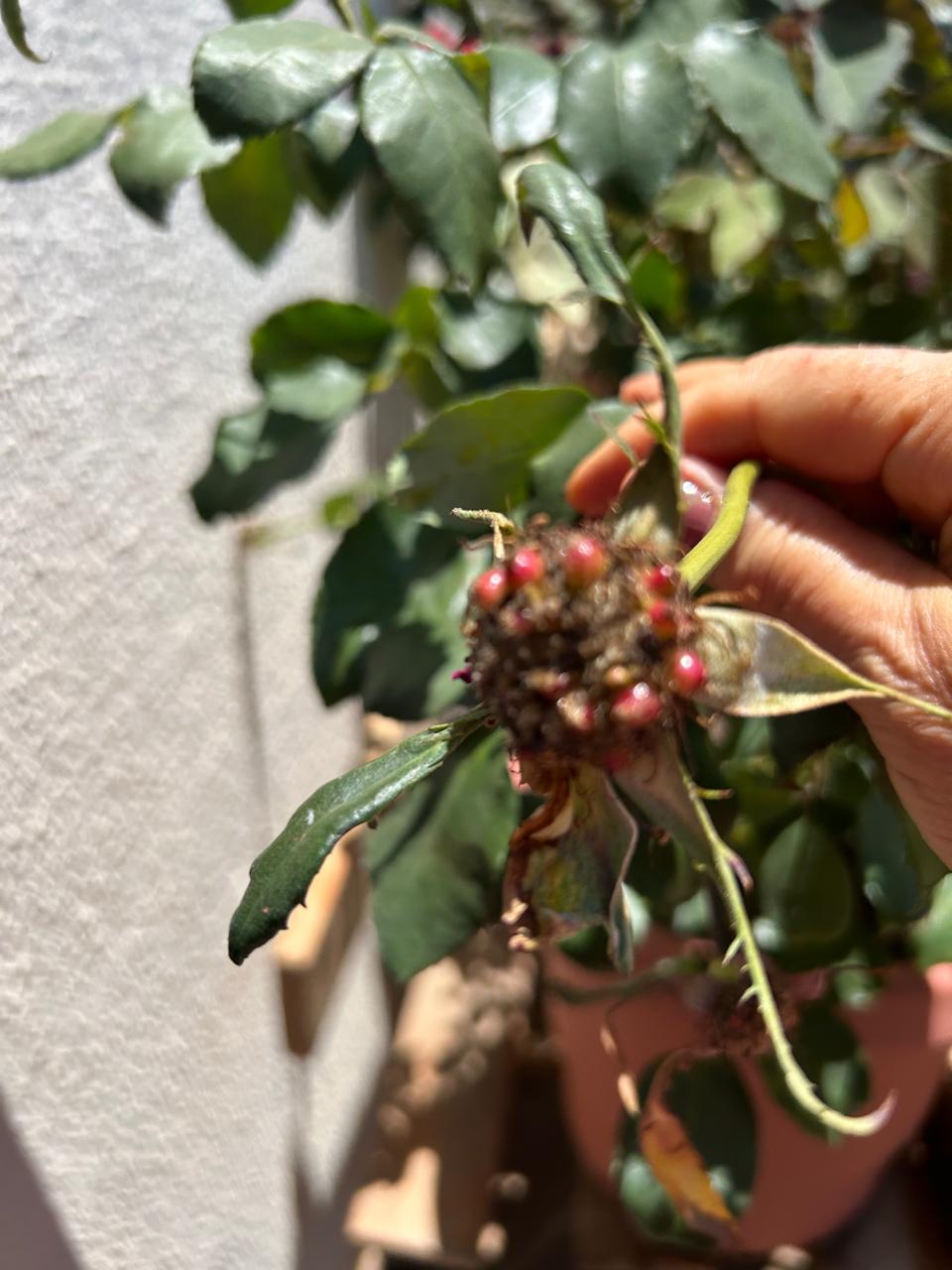
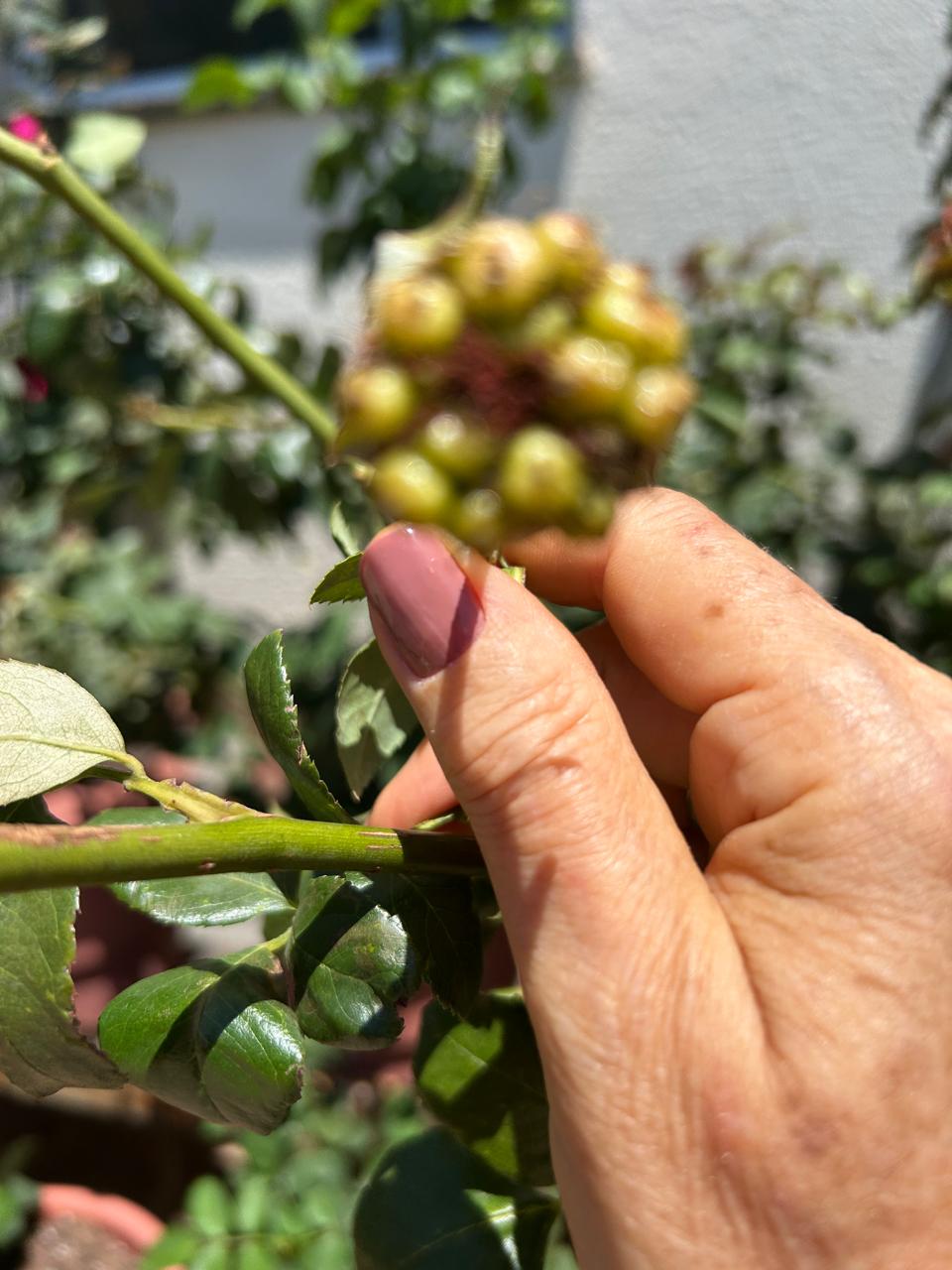
Alguém poderia me dizer quais os fatores que causam essas anomalias em cinórrodos de roseira?
Se puderem indicar artigos, desde já agradeço!
Obs: essas fotos pertencem a outras pessoas.
Alguém poderia me dizer quais os fatores que causam essas anomalias em cinórrodos de roseira?
Se puderem indicar artigos, desde já agradeço!
Obs: essas fotos pertencem a outras pessoas.
Google translated the questions as:
Could anyone tell me what factors cause these anomalies in rose bush cinronhodes?
If you can indicate articles, thank you!
Note: these photos belong to other people.
Welcome Gustavo! What you’re picturing is called “exogenous seeds”. Google explains it thusly:
Exogenous seeds in roses, appearing as red seeds exposed on top of the hip, are
often caused by the hip “bursting at the seams” due to overcrowding, frequently in open-pollinated or, rarely, damaged hips, and are sometimes exacerbated by sun scald
. This phenomenon is generally seen as a developmental quirk where the seed production exceeds the capacity of the container, rather than a disease.
Key Causes for Exogenous Rose Seeds
Overcrowded Hips: The primary cause is when the rose hip produces too many seeds, forcing them to emerge from the top of the fruit.
Open Pollination: This often happens with open-pollinated, rather than controlled cross-pollination.
Environmental Factors: Sun scald may cause the exposed seeds to turn red.
Context for “Exogenous” in Rose Context
Definition: In this specific context, it means “outside” of the seed pod (hip).
Occurrence: It is common in various roses, especially in late-season hips, and often involves multiple seeds that are visible outside the fruit.
What to do: These seeds are often still viable and can be used for planting
I would never have guessed that. Wow, I love this site!
Great! I’m glad you are enjoying it! There is a tremendous amount of really great information and knowledge here.
(Presumo que você tenha os meios para traduzir de volta para o português.)
Did you use a lot of fertilizers or chemicals on the plant prior to bloom?
The first photo looks almost like the exogenous seed head evolved from a proliferative bloom. Some cultivars are more prone to proliferation than others, and some fertilizers can stimulate such as I understand it.
(Do you folks know if such are normally fertile in roses? Would be a nice trick for maximizing the results of cross pollination efforts.  )
)
(I assume it translates being Greek, but Exogenous –> exo- =outside and genius = born)
Aren’t those from a kind of wasp gall rather than just exogenous seeds?
Asking because I have encountered wasp gall forms on winter hikes abroad, they can give a similar look to exogenous seeds.
Examples below, although these hips are less fresh than Gustavo’s since the pics were taken in February.
The first image may be something like a gall but the other three are exogenous seeds.
Obrigado pela resposta!
De nada! (You're welcome!)
São roseiras de uma colega, cultivo convencional, com uso eventual de algum fertilizante sintético. Os aquênios surgiram de polinização aberta.
“These are rose bushes belonging to a colleague, conventionally grown, with occasional use of synthetic fertilizer. The achenes resulted from open pollination”
The proliferation might then be cultivar related?