Abyssinica graft cane ID

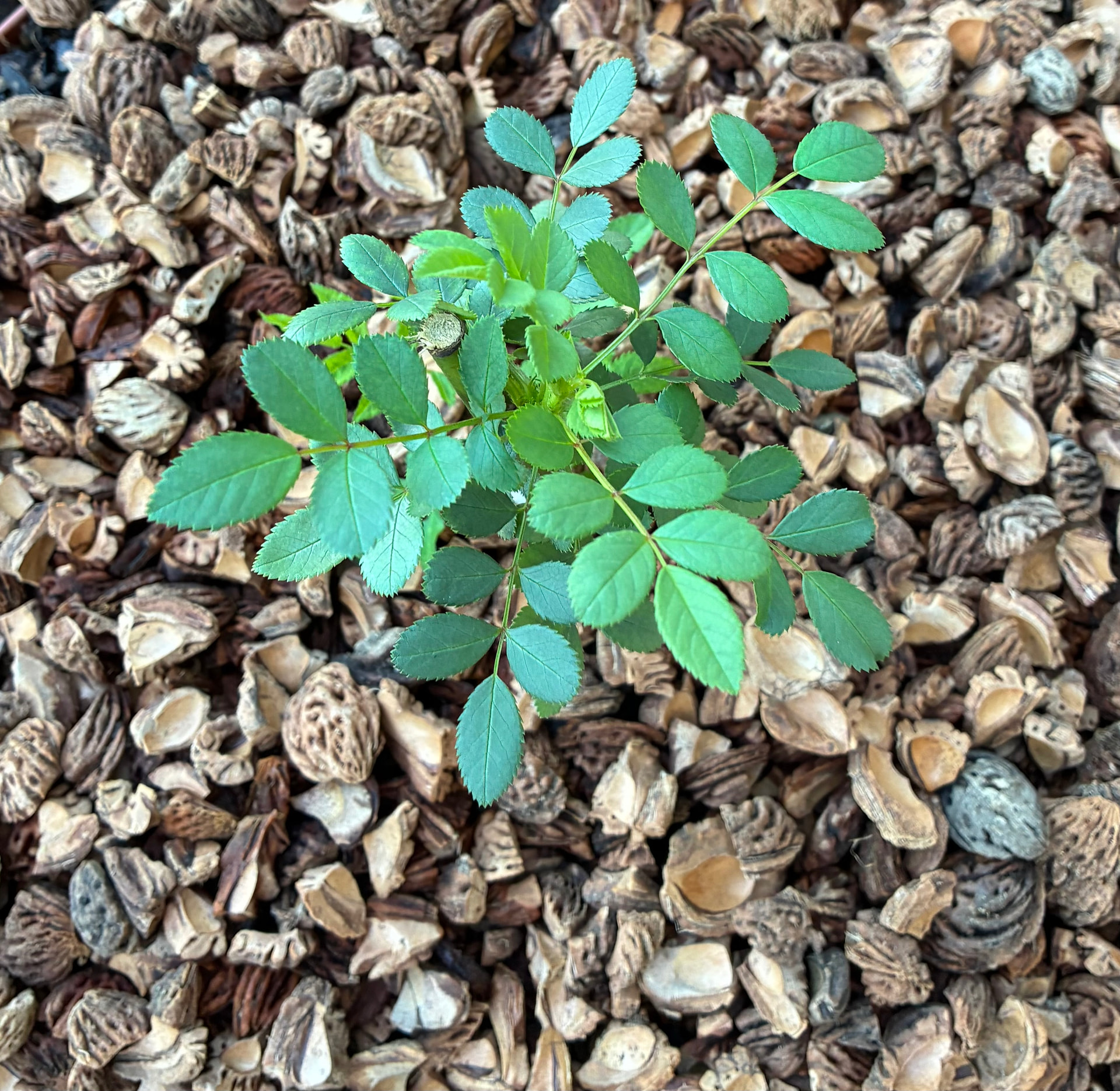
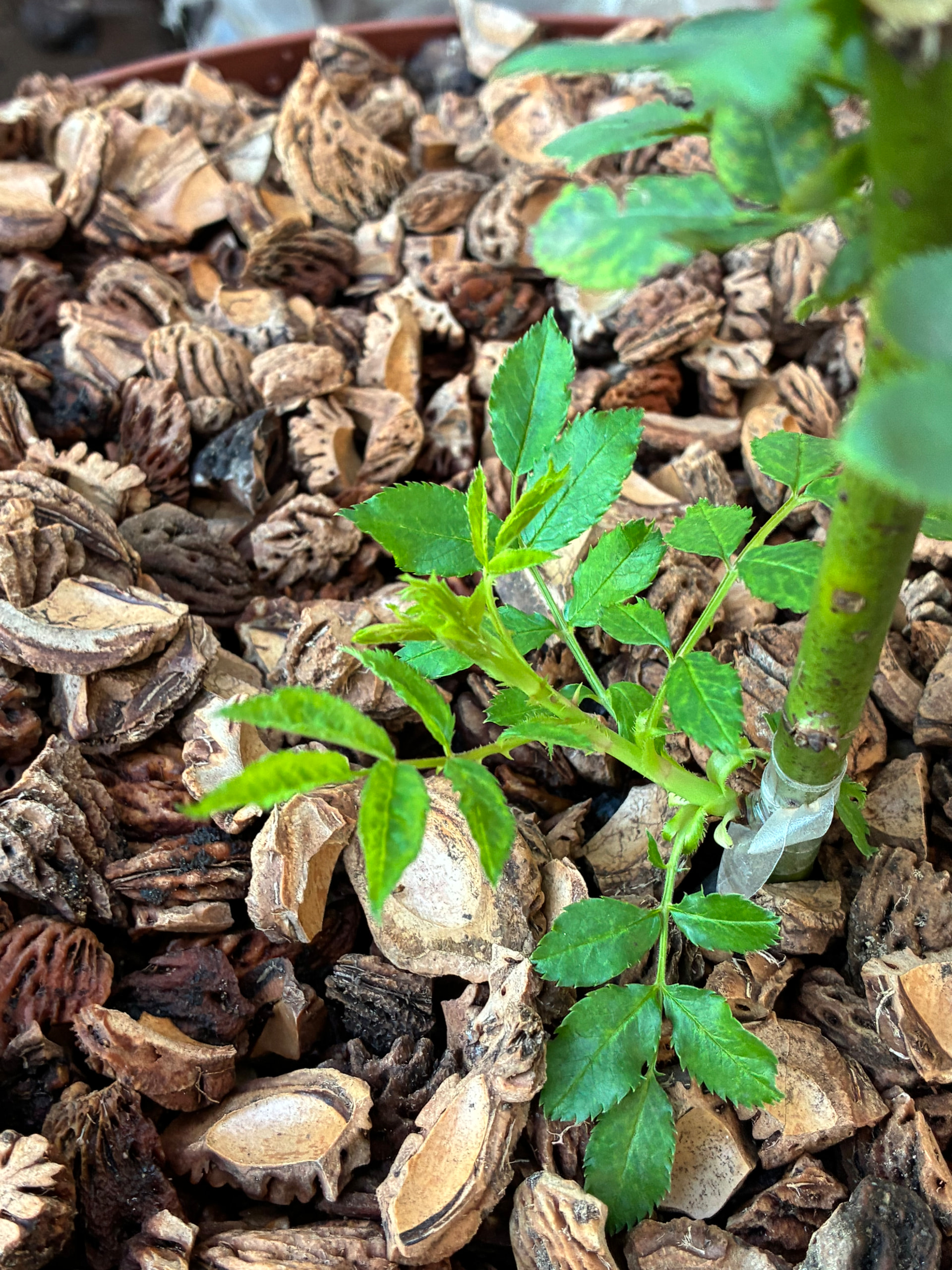
I bought a very young abyssinica plant today, it still has grafting tape on it. It has two visible buds, the lower bud is grafted, which I assume is the abyssinica, but the top buds leaves are odd and don’t match the lower set. Ludwig’s roses doesn’t openly share information about their process like which roses they use for grafting material, so I’m guessing it is most likely laxa or multiflora, but it doesn’t look like laxa or multiflora leaves. Maybe it is just abyssynica leaves, but I’d appreciate any help on making sure about it.
2 Likes

Fringed stipules are a pretty good indicator of multiflora. That was my first thought seeing the bottom cane. Does the top cane have them too?

It does, I’ll add a photo

1 Like

Yeah that’s r. multiflora through and through. I’d reach out to the nursery you bought it from. I didn’t realize there were nurseries who sold grafted roses so young. Is that common in your region?

1 Like

Ludwig’s roses and other nurseries here don’t usually sell roses that young, I contacted Ludwigs roses and asked if they had any abyssinca roses in stock and they said the ones they had were still young so I sprang for them. (They’re the only place I can buy abyssinica in ZA from).

I’m glad I asked here, I’d most likely have to wait a year before it bloomed and by then I’d notice the mistake. The multifloras in their catalog are multiflora nana which I now suspect this is, and multiflora carnea.

What I can’t understand is who grafts multifloras? I thought they make great rootstocks so why waste the money and effort on grafting them.

Edit: LR keep their cuttings in open greenhouses separated from their other stock that are stacked out on concrete slabs. From where I stood I could see the poor employee searching for a minute or two between the multiple sections and thousands of untagged roses for what I presume was labels on the pillars of each section, so its most likely an honest mistake. Just wished I knew before driving 90km home and after planting the cutting.

So I emailed them and they said that the bottom is the grafted abyssinica and the top is the Multiflora rootstock. The bottom one still looks a bit sus to me but I’ll wait and see as it grows.

I’m not convinced that the foliage and fringed stipules are abyssinica, but I’ve of course never seen that species in person. I’m no expert, but I have seen tons of invasive multiflora since it outnumbers any other wild species in my state.

If it were my plant I’d be removing the graft tape to see if I could confirm graft failure, but if you prefer to be patient then the cane should start growing pretty fast once you prune off the top growth and remove all the other multiflora scions.

1 Like

Logically, the bottom appears to be chipped-budded onto the vertical, but why they didn’t finish the job and remove the stock is beyond me. It makes the whole thing acquisition look a bit questionable, imho. (…And why graft that vigorous species to multiflora to begin with?)

The Abyssinian Rose photographs I have seen look extremely different when they are in the harsh mountains of their native range (the only ones I would fully trust as i.d.ed) vs under garden cultivation. Using iNaturalist and setting search to Ethiopia, I am unable to see fringed stipules, but cannot say for sure. Might warrant finding a scientific description.

Photos of Abyssinian rose (Rosa abyssinica) · iNaturalist https://share.google/FToBVKSj7VY4sjGCk

I had, once upon a time, been clamoring to try and obtain that species based solely on photos of it thriving in the dry highlands. The only accession I know of stateside is at Santa Clara U, and she looks to be a ridiculously vigorous beast when happily growing in a garden.

Species and the majority of heritage roses are more of a collectors item and in general unpopular here in ZA, I couldn’t think that LR made more than two dozen abyssinica plants for sale as they are currently out of stock, so I thought I could get a jump on the queue if I got one a bit earlier in the process.

But as the saying goes “cleverness catches his master”, and now I keep oscillating between the leaves and thorns that look abyssinica and the stipules that look clear as day multiflora. Below is a photo of the abyssinica? stem.

(From what I can see after removing the grafting tape there is no bud failure).

Abyssinica is a very frustrating species to id as the majority of botanical guides I could find don’t take close up photos so when you zoom in everything is blurry. When people also take photos of abyssinica they don’t take photos close enough to clearly make the stipules visible.

I guess the only sure way to be sure that it is abyssinica would be to check if it has fused pistils when it eventually flowers?

Edit: After doing some research I’ve come to think that this isn’t abyssinica, it is some sort of multiflora as @KDickinson said. I believe it is multiflora carnea as the stipules match almost identically with what I could find. It could be multiflora nana, but I couldn’t find any images of its stipules.

1 Like