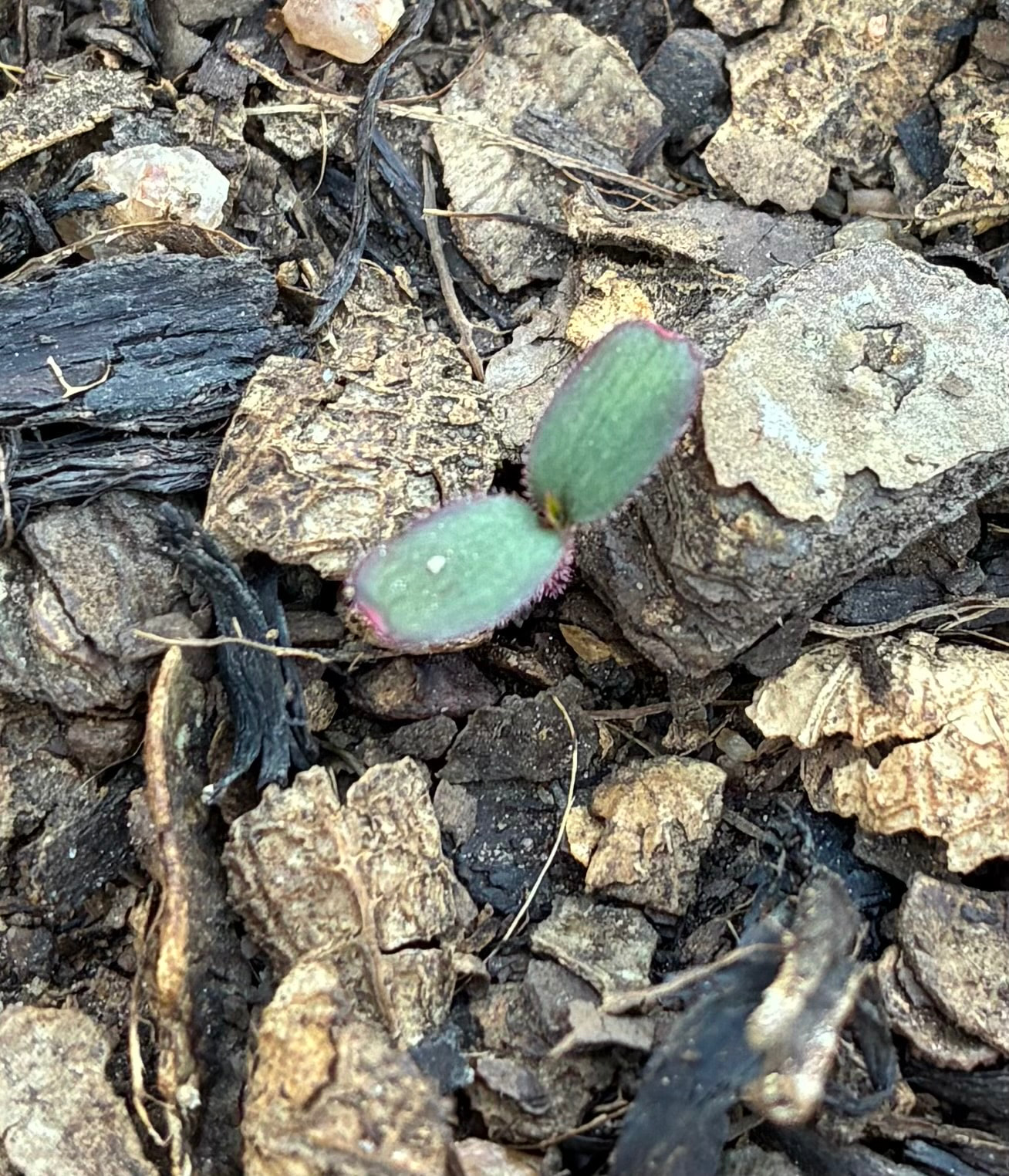
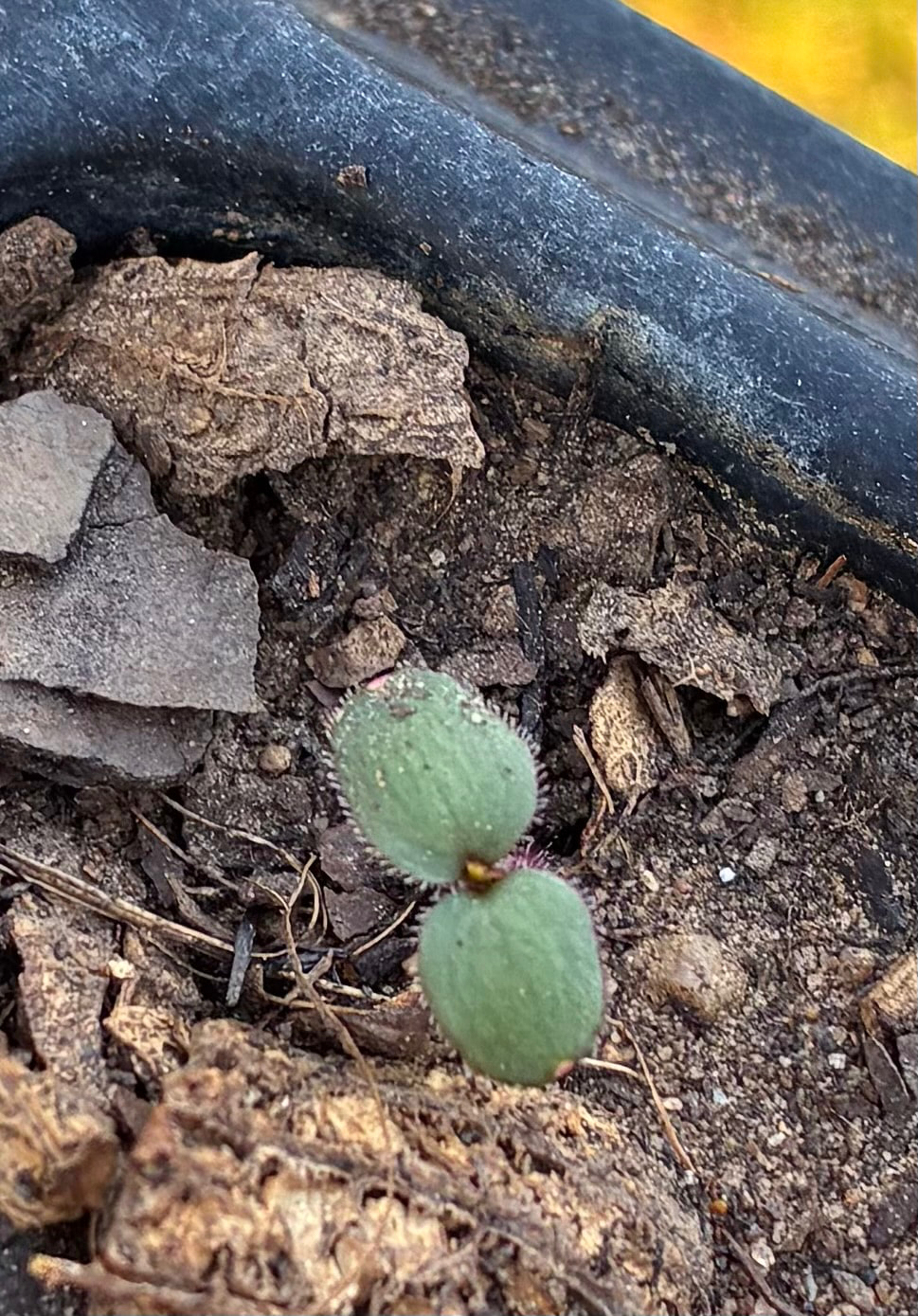
Today when I inspected my no stratification seed tray, I found these two. I planted a lot of random mostly HT achenes about a week after the 27’th of June, and with today being the 17’th of August, they sprouted after about 44 to 51 days
2 Likes
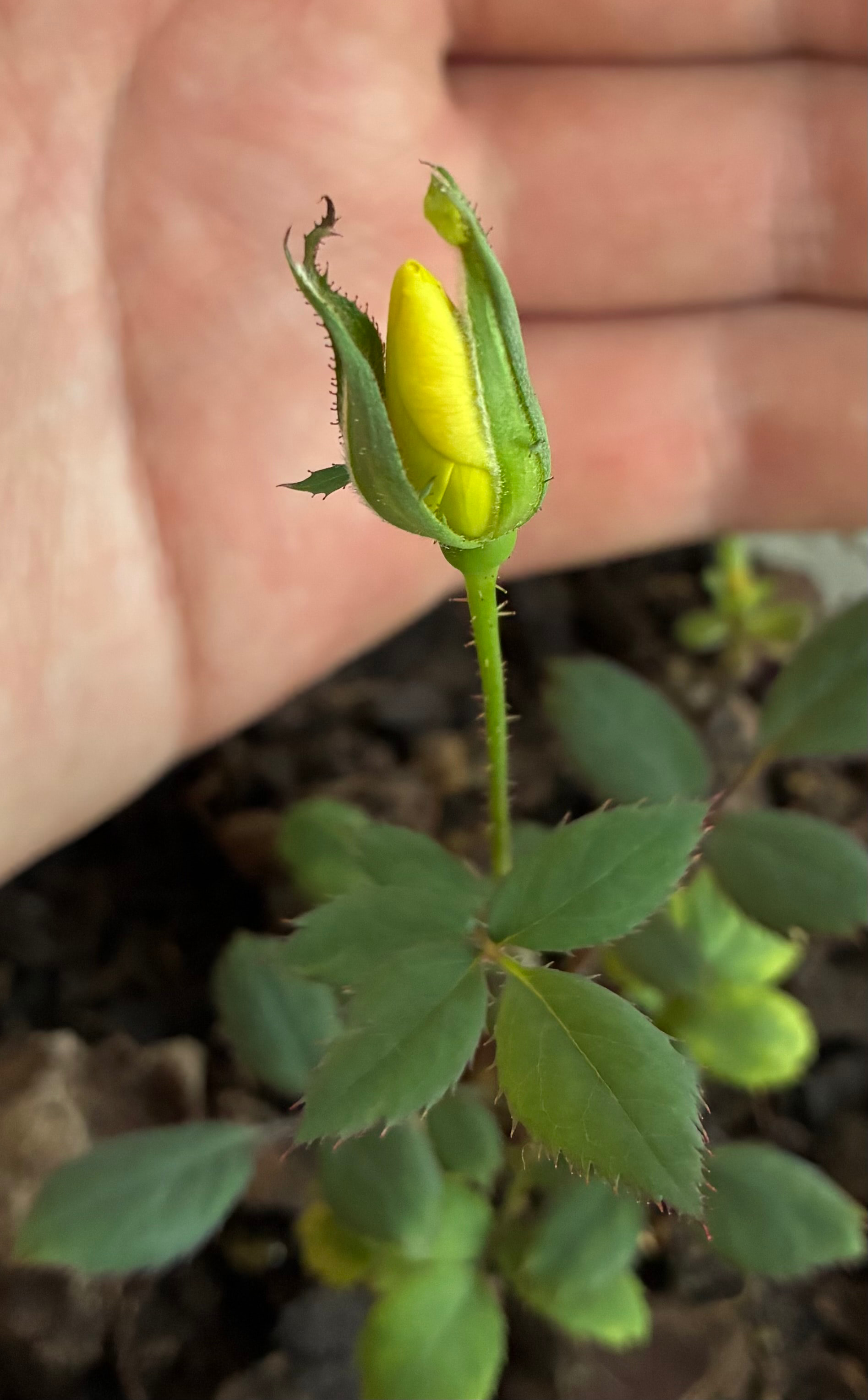
With the cold front we’ve had here the bud is taking a long time to open, but I am very chuffed with its colour! I realise now there is a good chance that it is a cross between South Africa X The Yellow, a hybrid tea, or even South Africa X Casino the climber (but I doubt the latter).
3 Likes
This morning the bud opened!
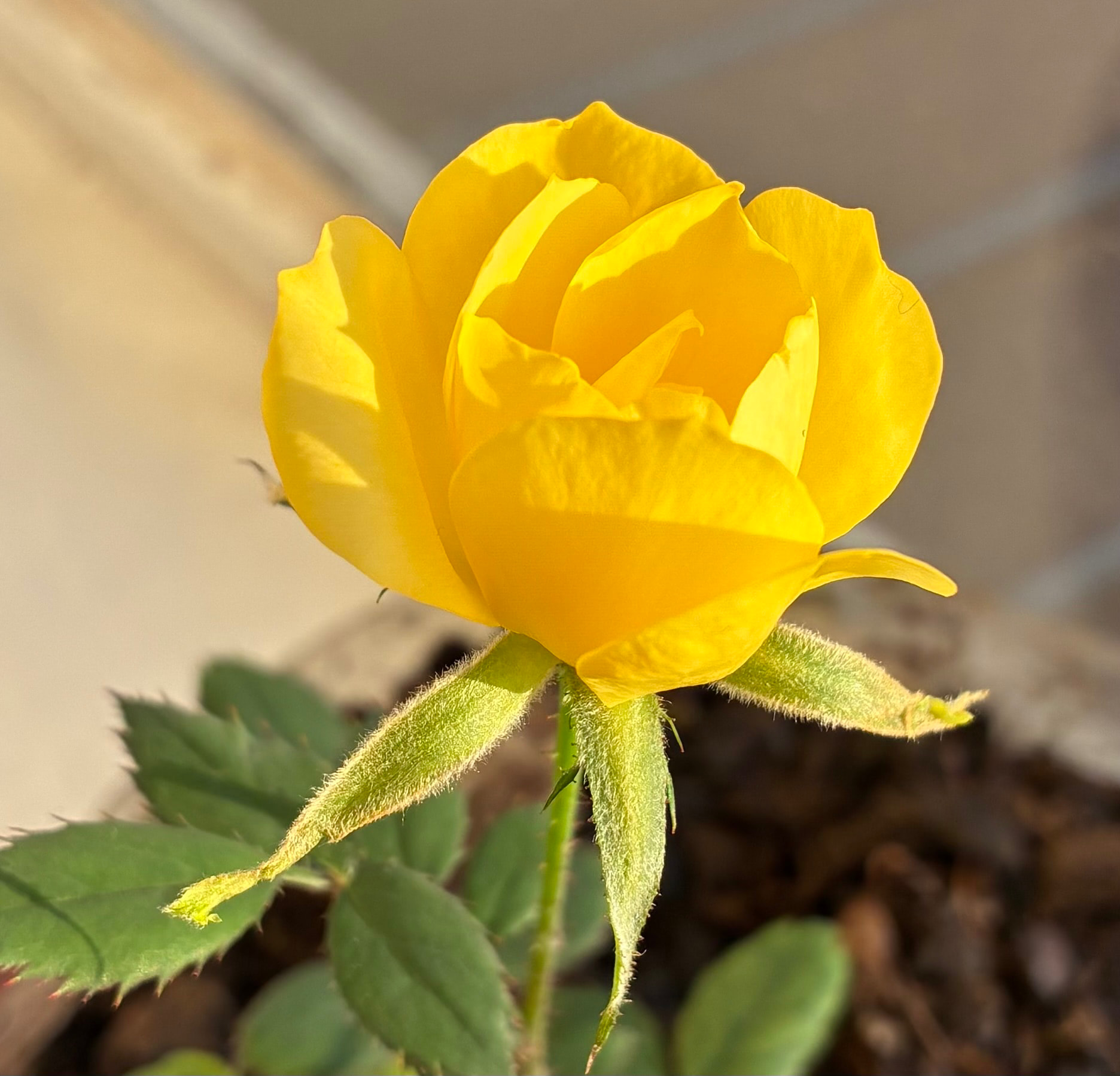
It has 14 petals and absolutely no scent. I’m very happy with the outcome.
I can almost definitely say the cross is South Africa X The Yellow.
5 Likes
Thats such an intense yellow! Congratulations
1 Like
Thanks!
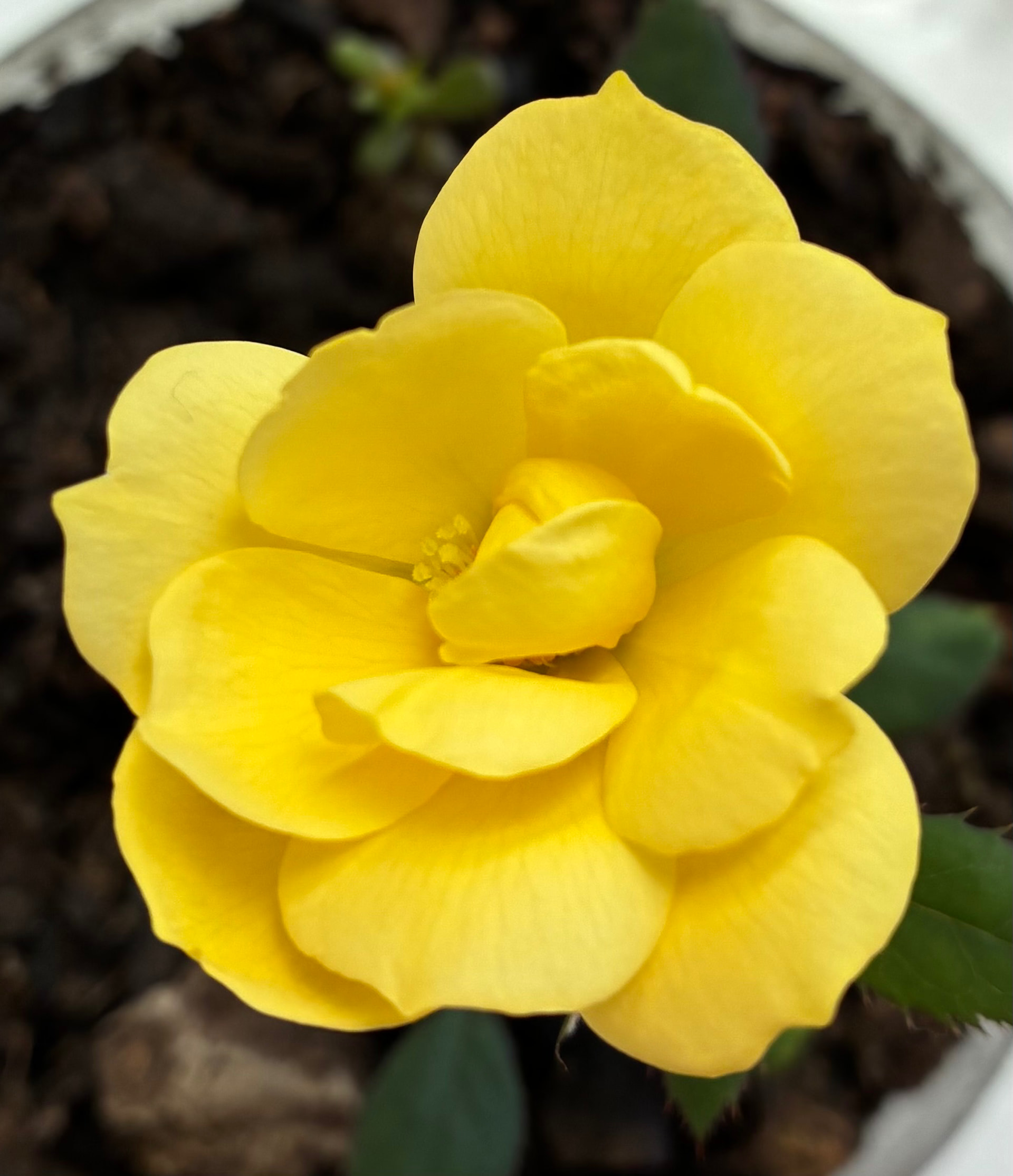
It unfurled a bit lopsided because two sepals stuck together, but now that it’s open properly I can actually smell a very light sweet scent. Best of all there’s load of pistils and quite a few anthers.
7 Likes
Sounds like a fertile future!
My second hybridising season started on the 12’th of August and as of today (4’th of October) I am looking at about 347 pollinated/actively growing hips and 91 aborted hips.
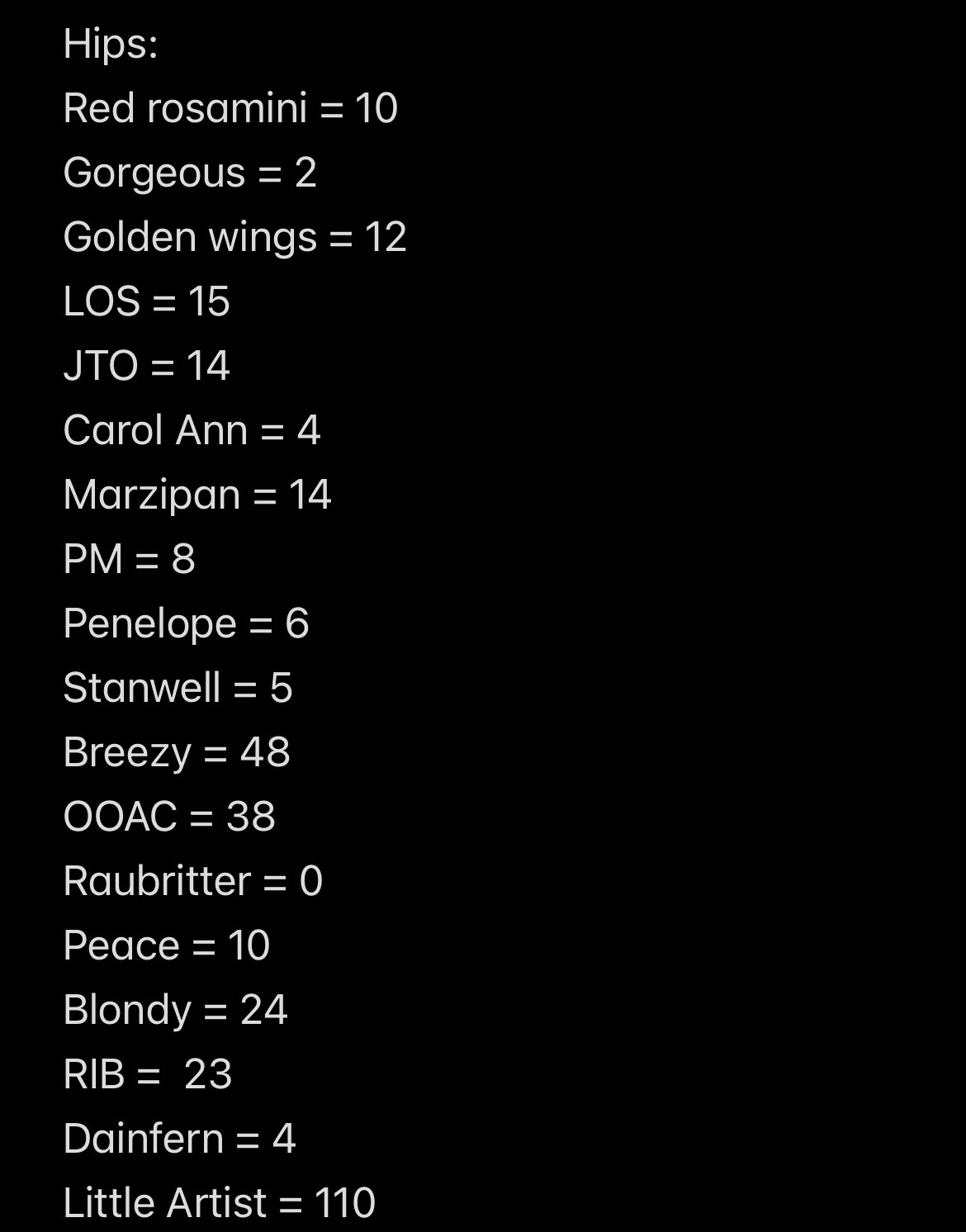
There are a few new pollinations included in the above list, so there will be some hip drop, but so far everything looks good.
Marzipan made a surprise comeback, it seems it needs an initial season to settle and then it performs quite well, like Jude the Obscure and Lady of Shallot.
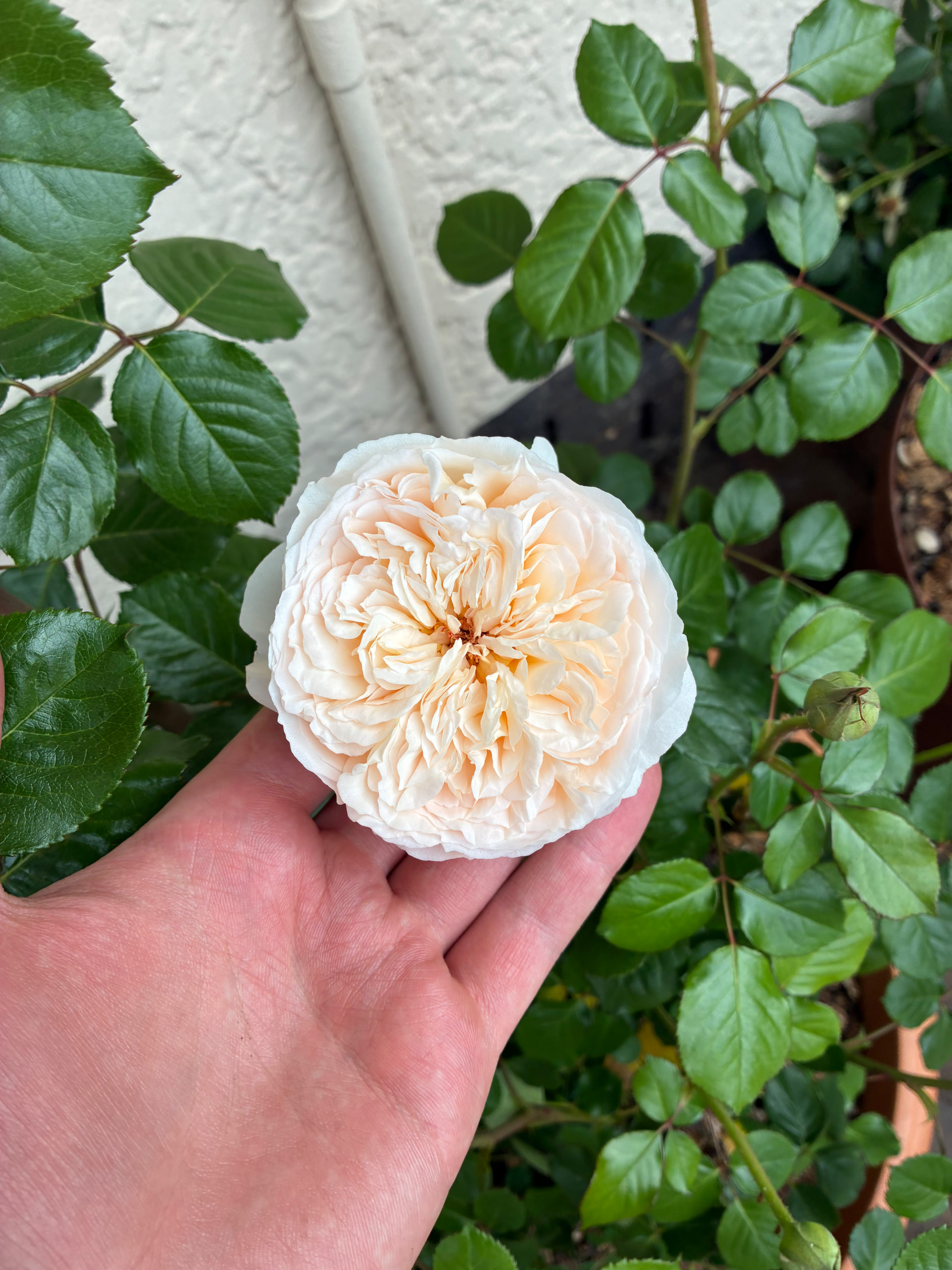
Breezy is very accepting with any pollen, and it is currently a power house in hip production. Some hips pictured:
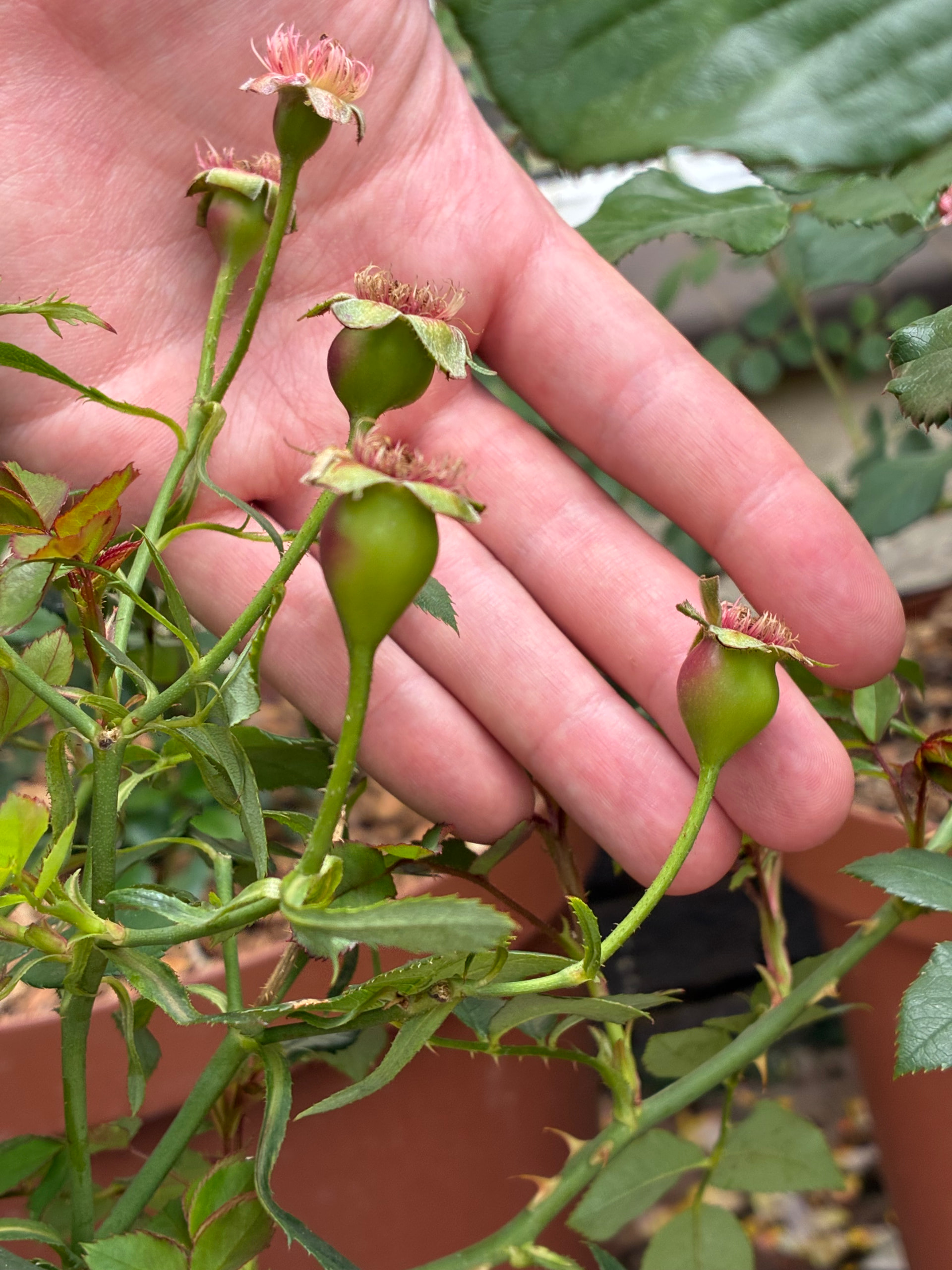
A very surprising under-performer is Rhapsody In Blue. It dropped 25 out of 47 hips. It did have a massive spider mite infestation but I have a suspicion that it is an infertile triploid. After some care and the mites being eradicated I hope that I get some more hips from it.
The hips on Stanwell perpetual are about two weeks old, so I am on the verge of seeing if they’ll drop. I’ve used its pollen on Peace, Gorgeous, and Golden wings and I have had no hip drop so far, with some of the hips being about a month old or more.
Penelope’s pollen is causing an interesting amount of hip drop in some cases but it could be that I’m not using enough of it. I’m planning on using it in more crosses soon so to test how viable it is.
Raubritter is INCREDIBLY slow growing, so far I only have one flower bud from it after planting it 4 months ago.
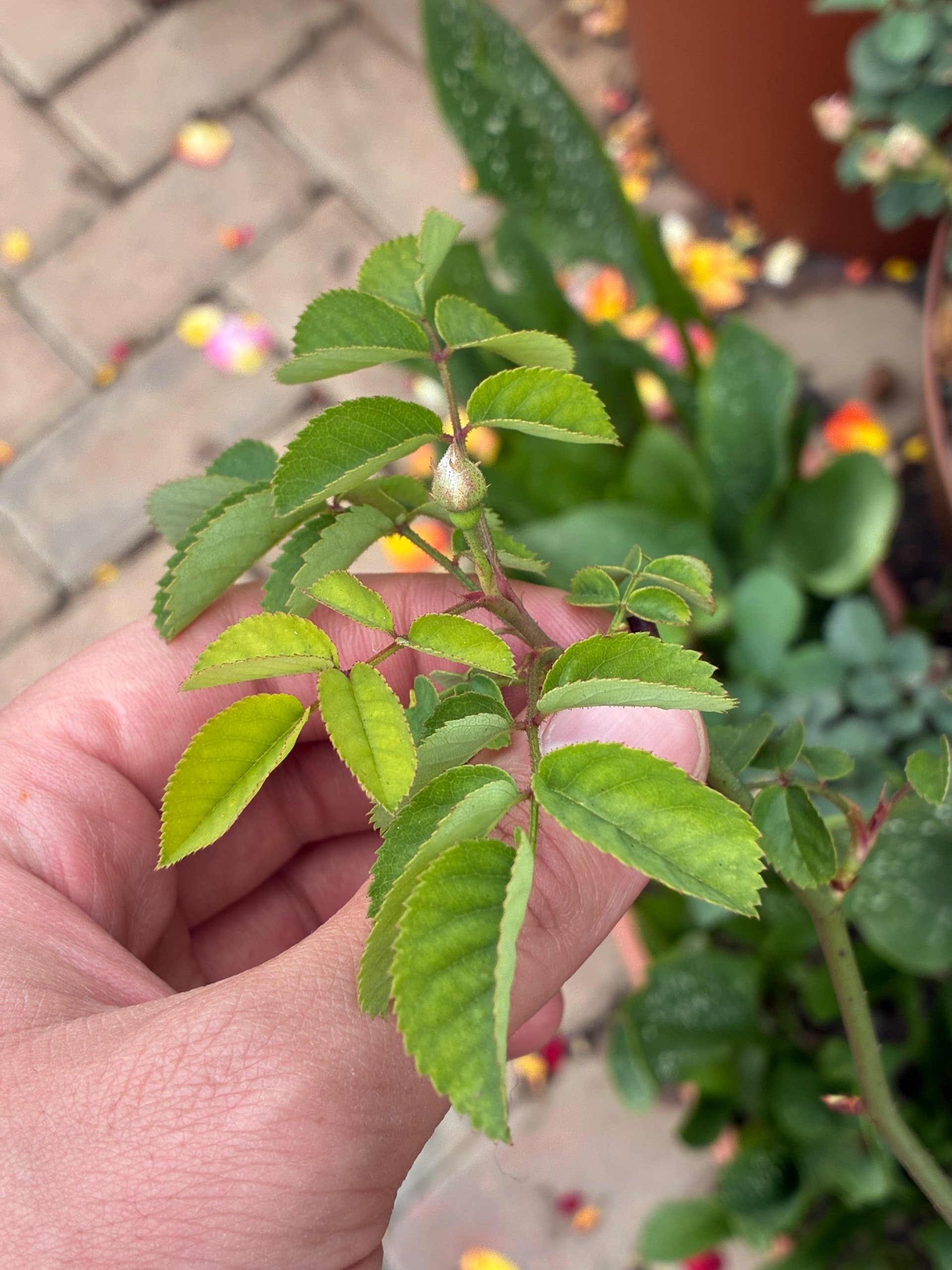
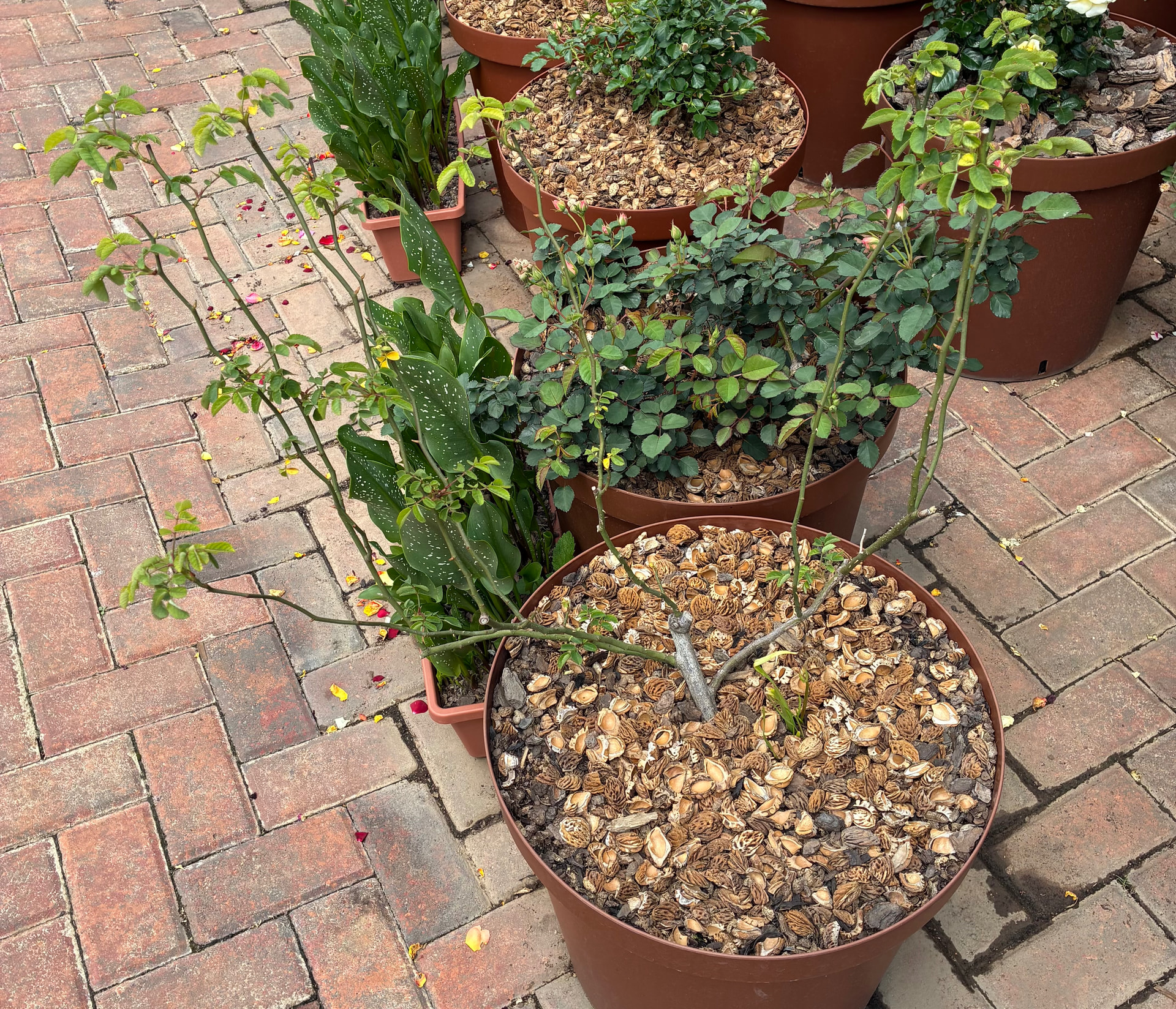
For my species that I recently acquired I have:
Brunonii
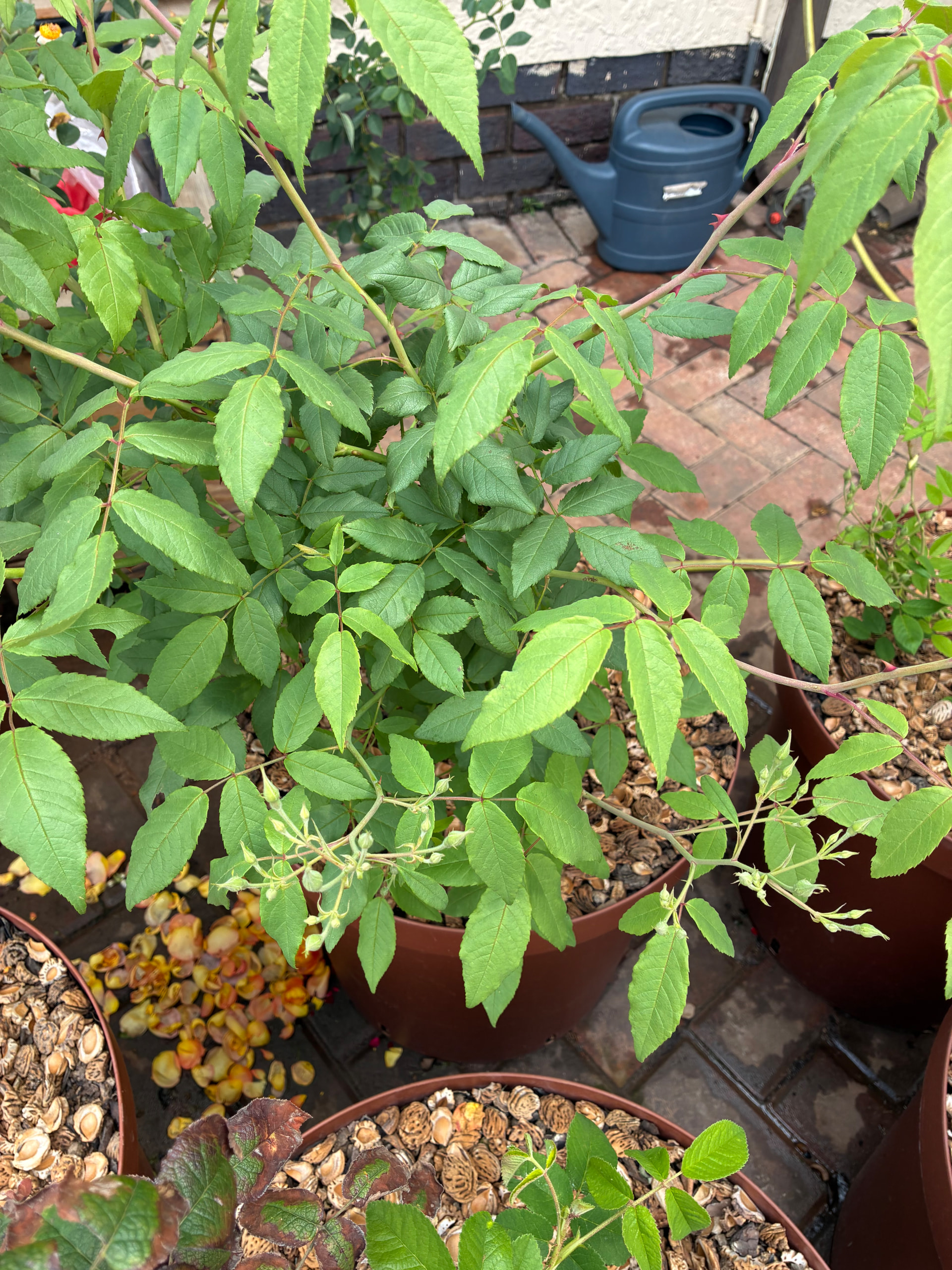
Schrödinger’s Multiflora/Abyssinica
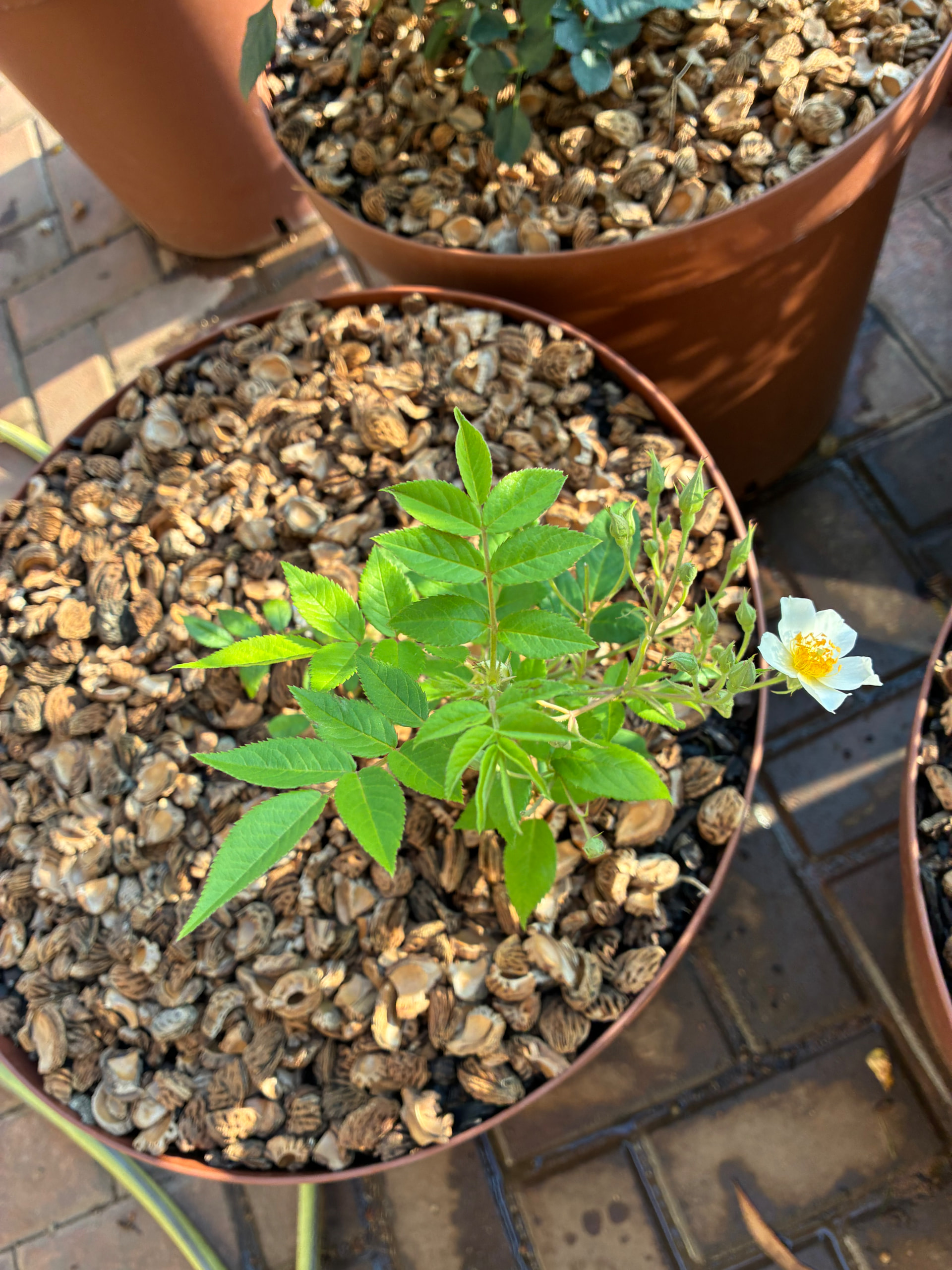
Bracteata
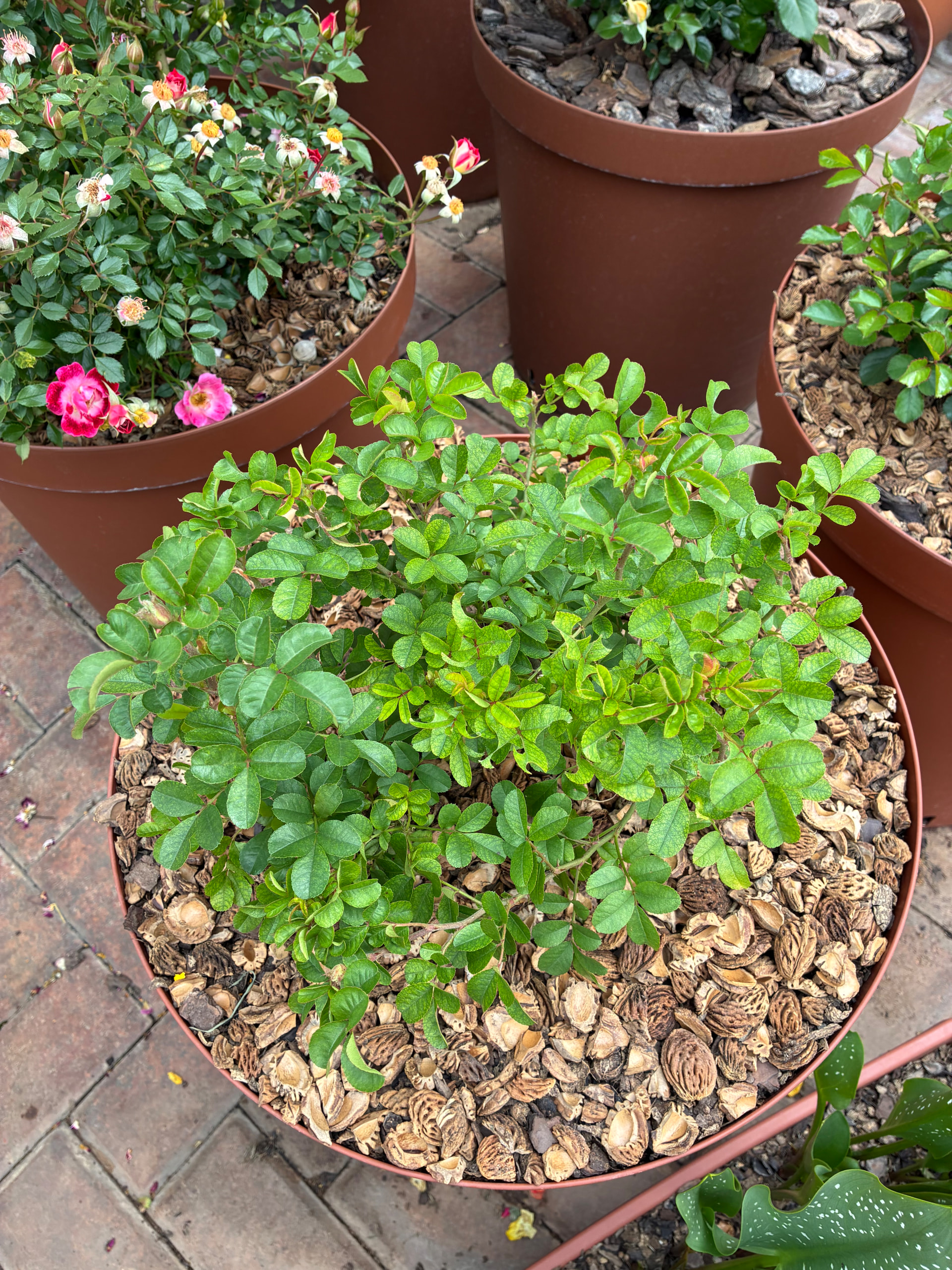
I’m hoping to make a species lineage this season, so I’ll see how things pan out (and with Bracteata being so finicky it is going to make things interesting).
With the growing season in ZA lasting from August to May, my hybridising season will most likely end in February/March so I’m looking at 8 months of active hybridising.
Will update if I find anything interesting.
3 Likes
Unfortunately, I have not had good results with Rhapsody in Blue, either as a seed parent or as a pollinator. When used as a seed parent, the few seeds did not germinate, and in embryo culture, the seedlings—if any developed at all—were very weak and unsuitable for further cultivation. As pollen donor, the formed hips were empty or had turned yellow. Therefore, I share your assumption that this cultivar is an infertile triploid. Anyway, I hope things turn out with a little more luck better for you in the end.
1 Like
In my OP HT batch it seems I have my very first miniature:
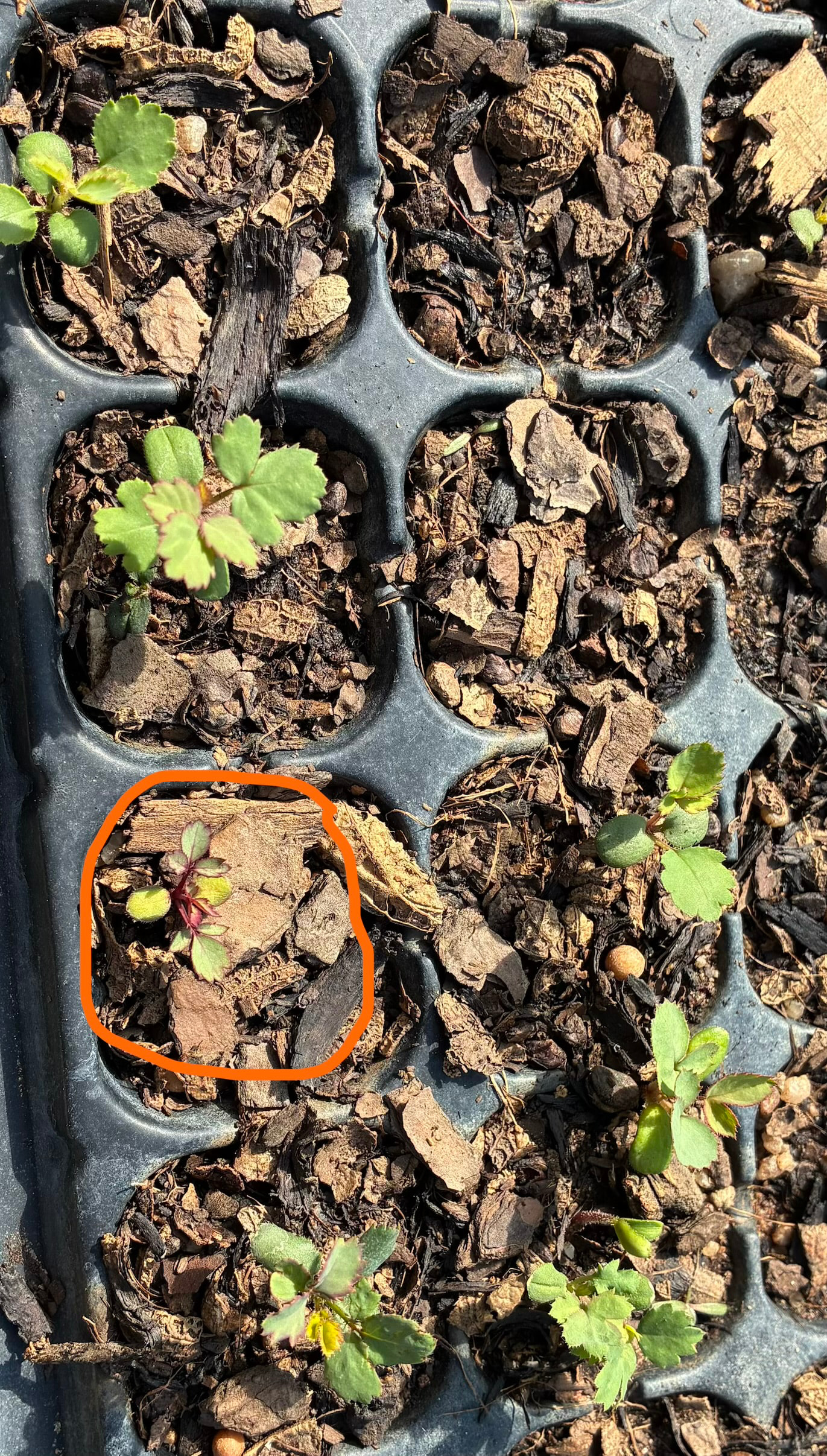
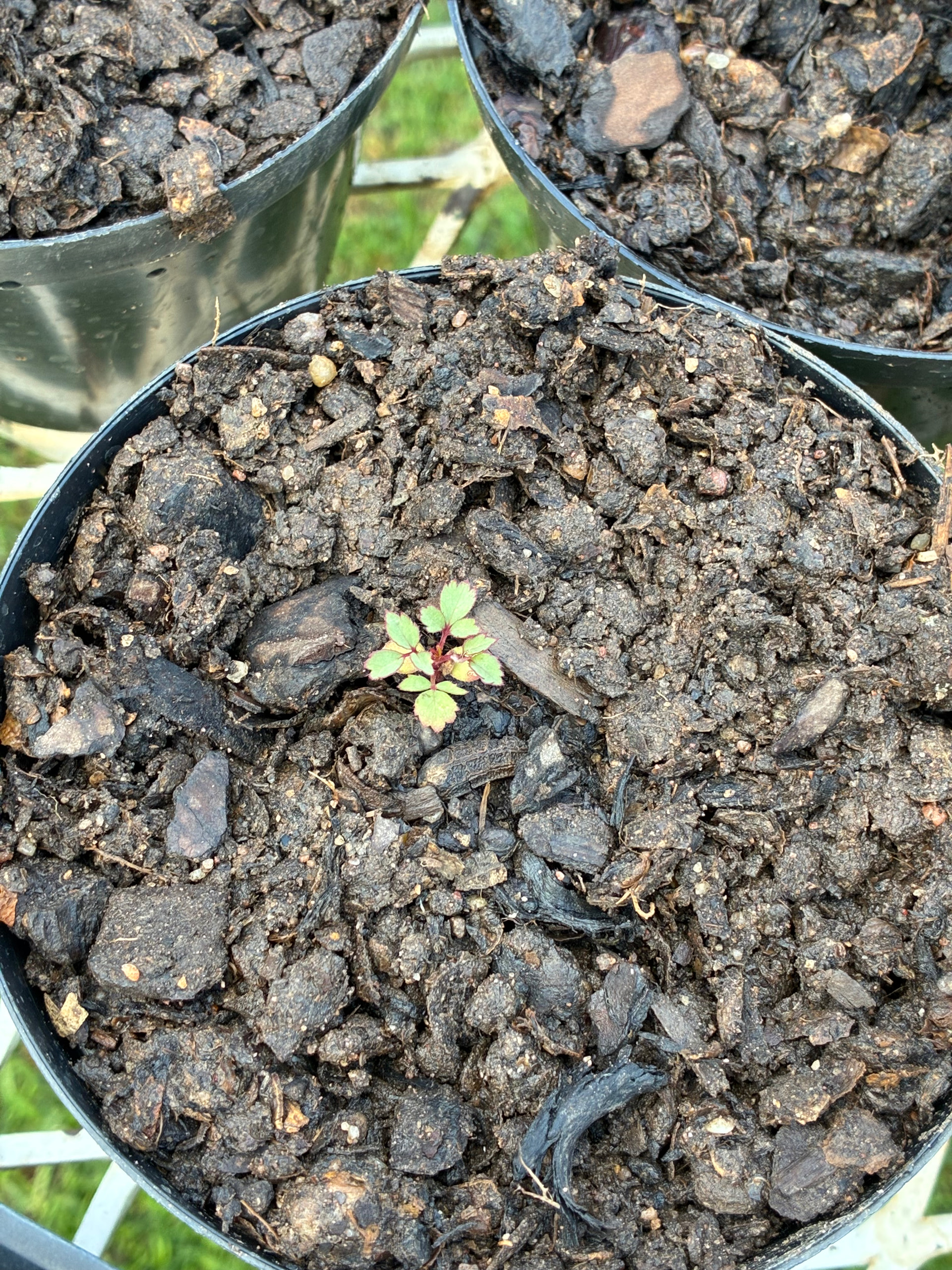
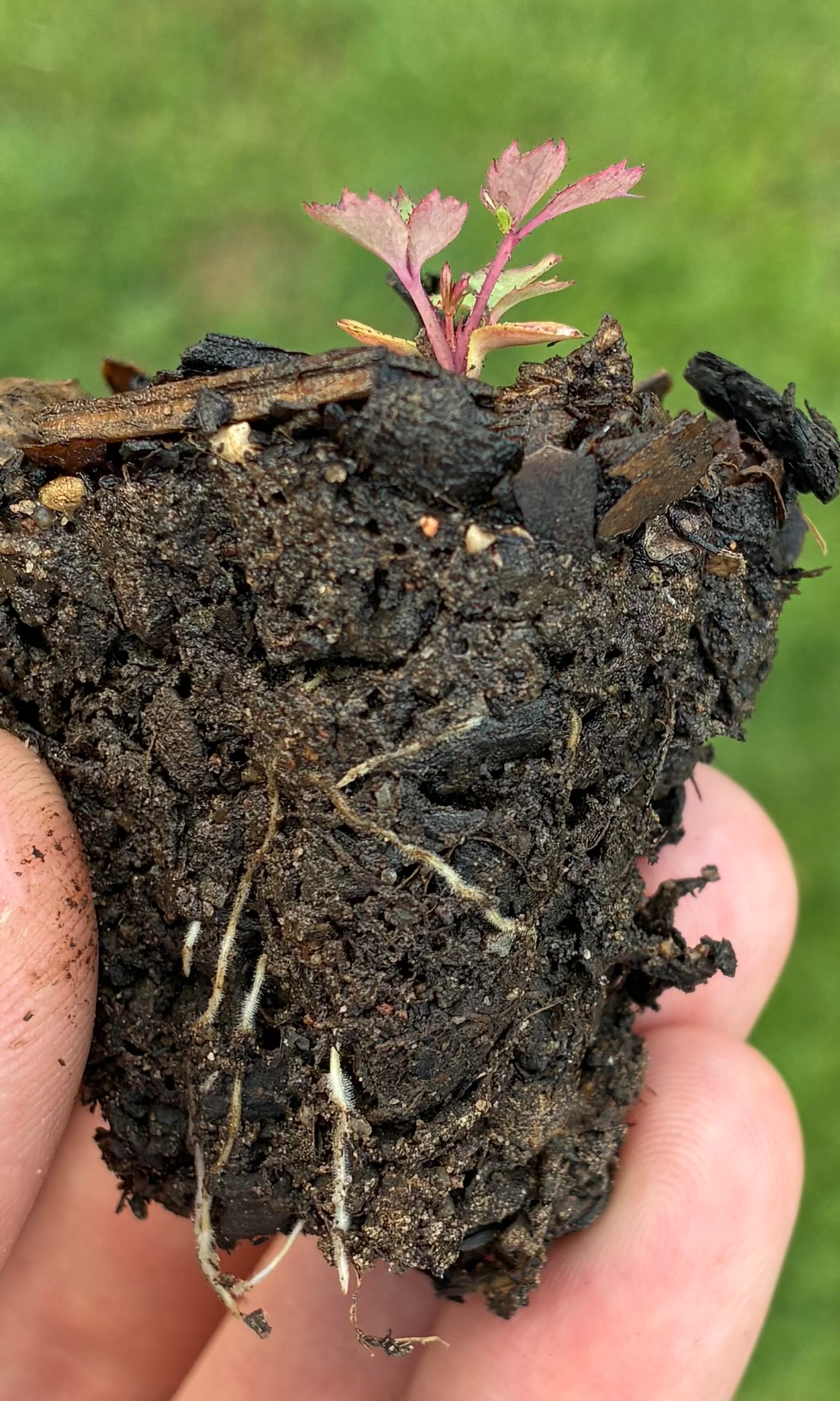
The last photo was today, and it measures at about 1.2cm by 1.2 cm and a height of 1.4 cm. It’s about 5-6 weeks old.The seedlings surrounding it sprouted at about the same time.
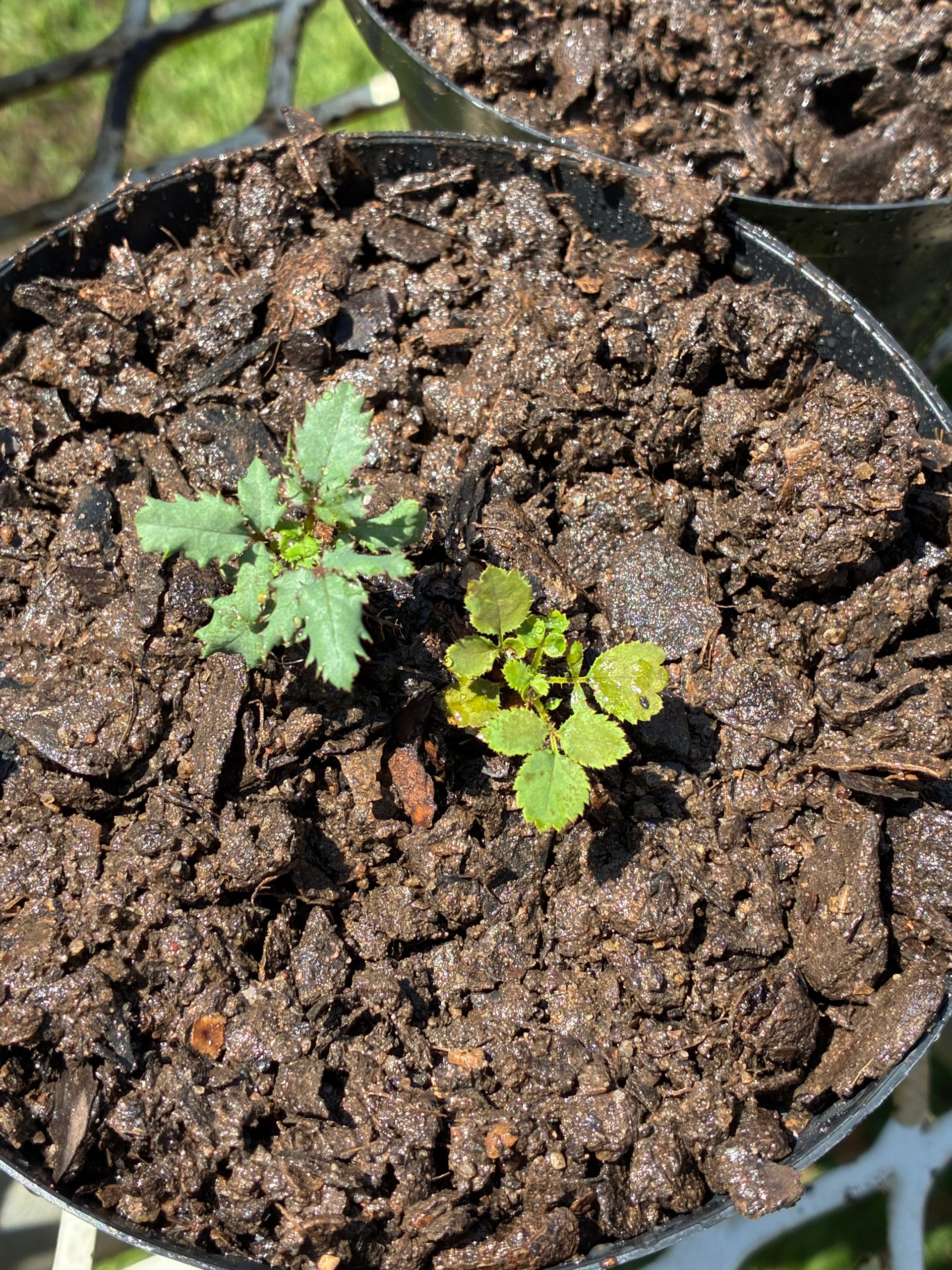
Another interesting seedling was this one with scraggly leaves. The rest in the batch all have rounded leaves like the one beside it.
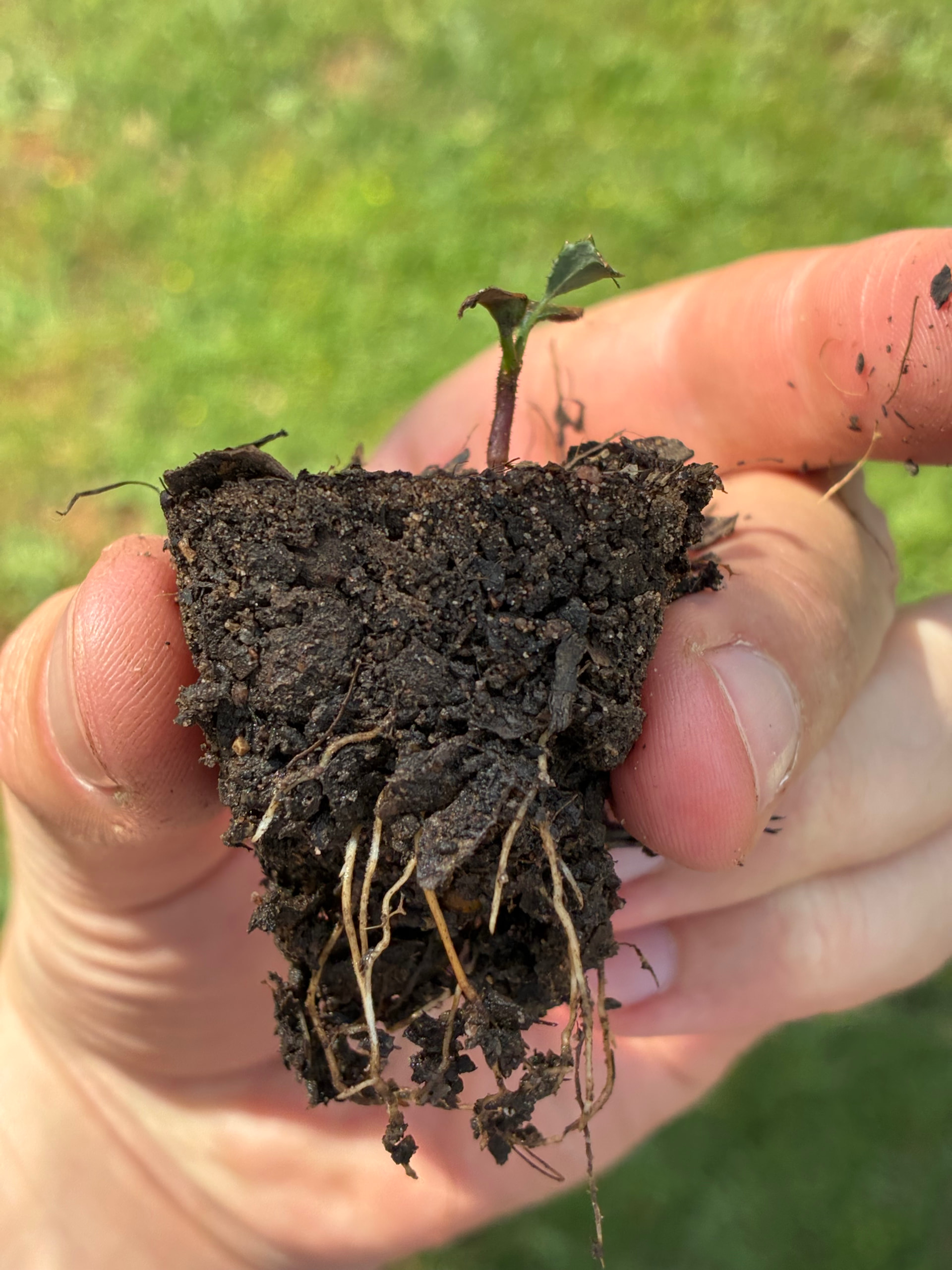
The following seedling seems to be a write off. It’s a month and a half old and it’s only made one true leaf. It has good roots however.
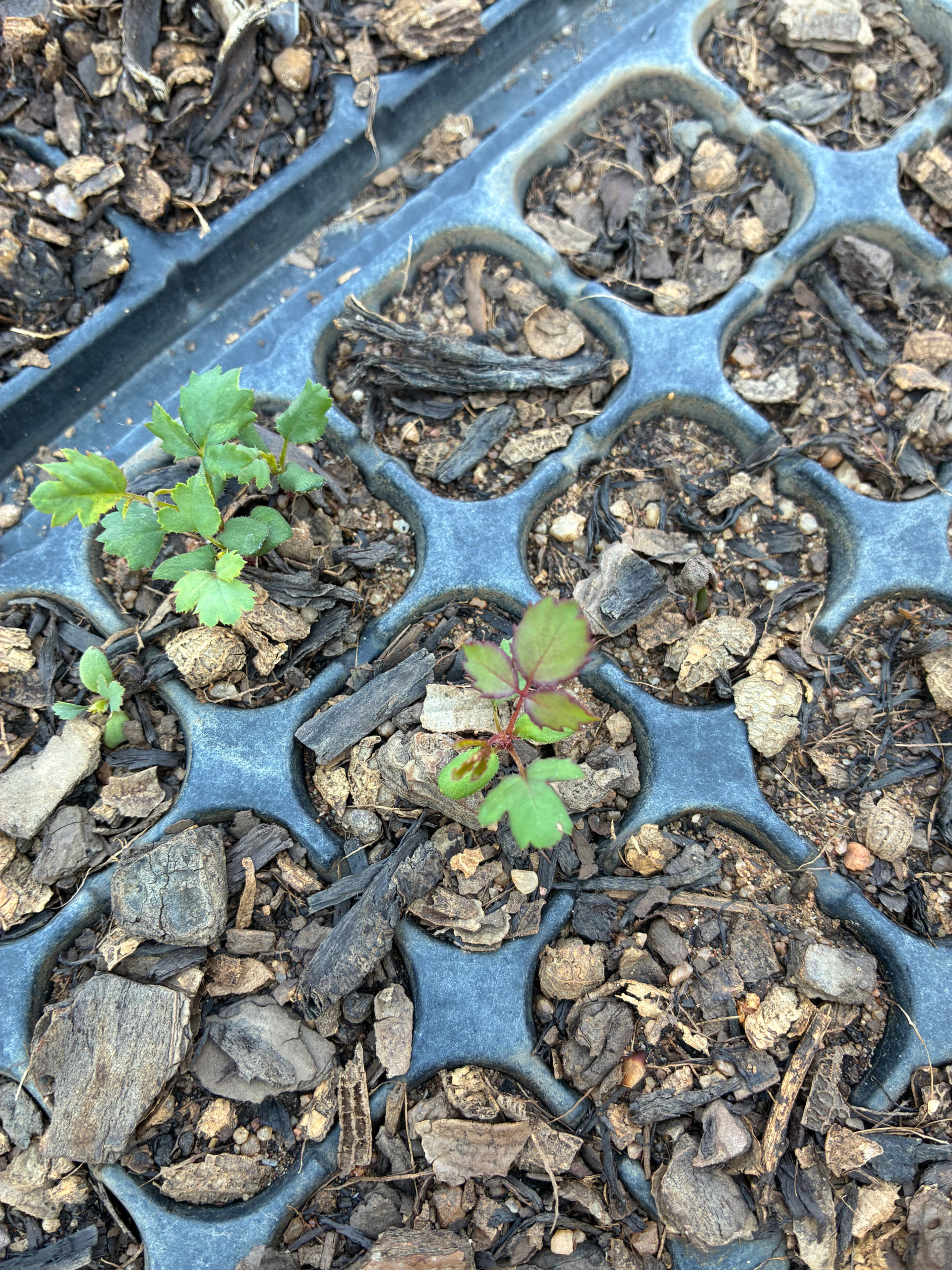
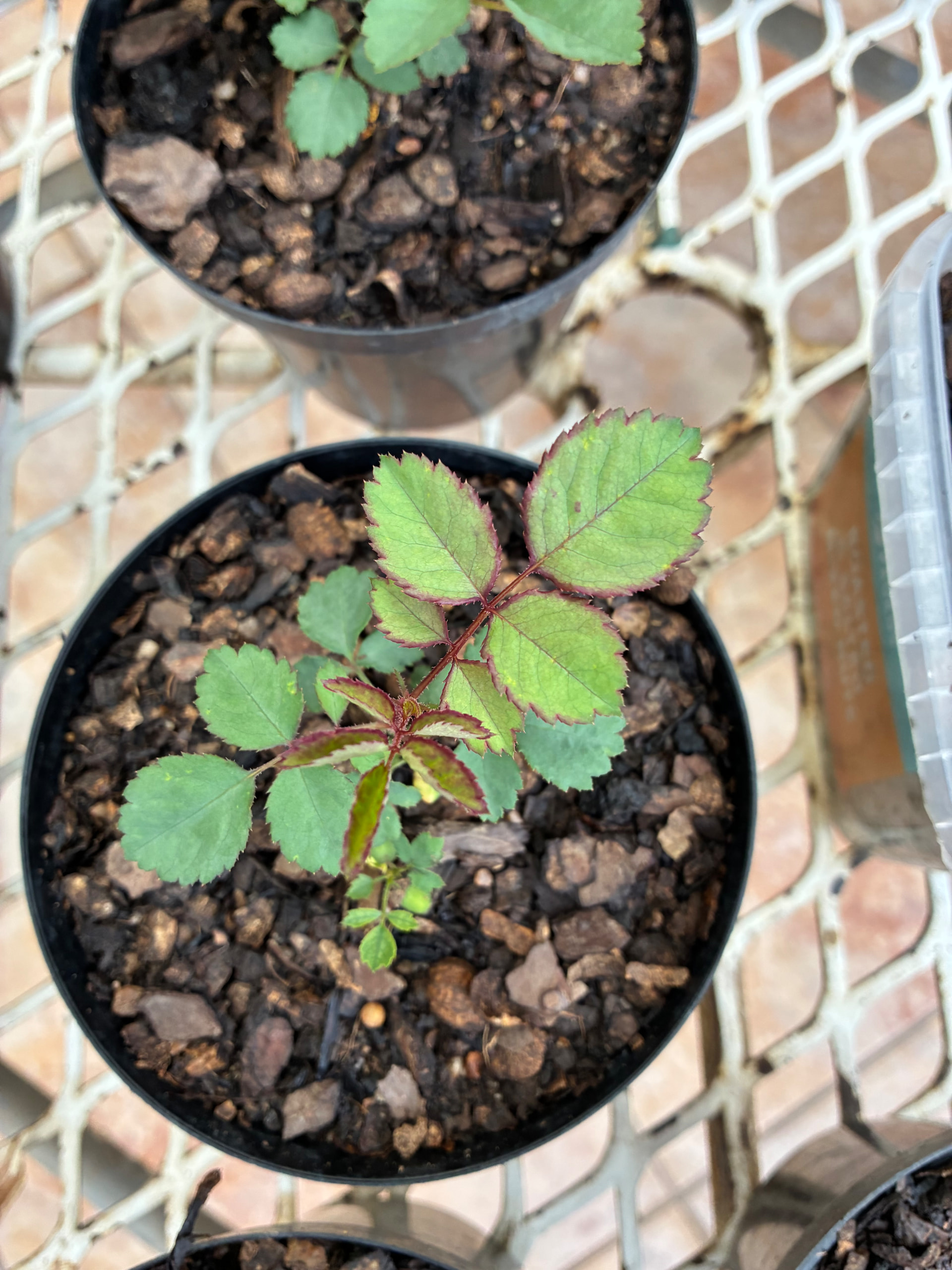
A bunch of my seedlings seem to have Kordesii genes, as they have these red trimmed leaves when the leaves are still young:
5 Likes
I love the holly like leaves of the scraggly one. Wonder if it keep the shape as they get larger. Would be very pretty!
2 Likes
Those are some solid looking root systems for hybrid tea seedlings.
2 Likes
@KDickinson these were some of the frontrunners when I potted them up:
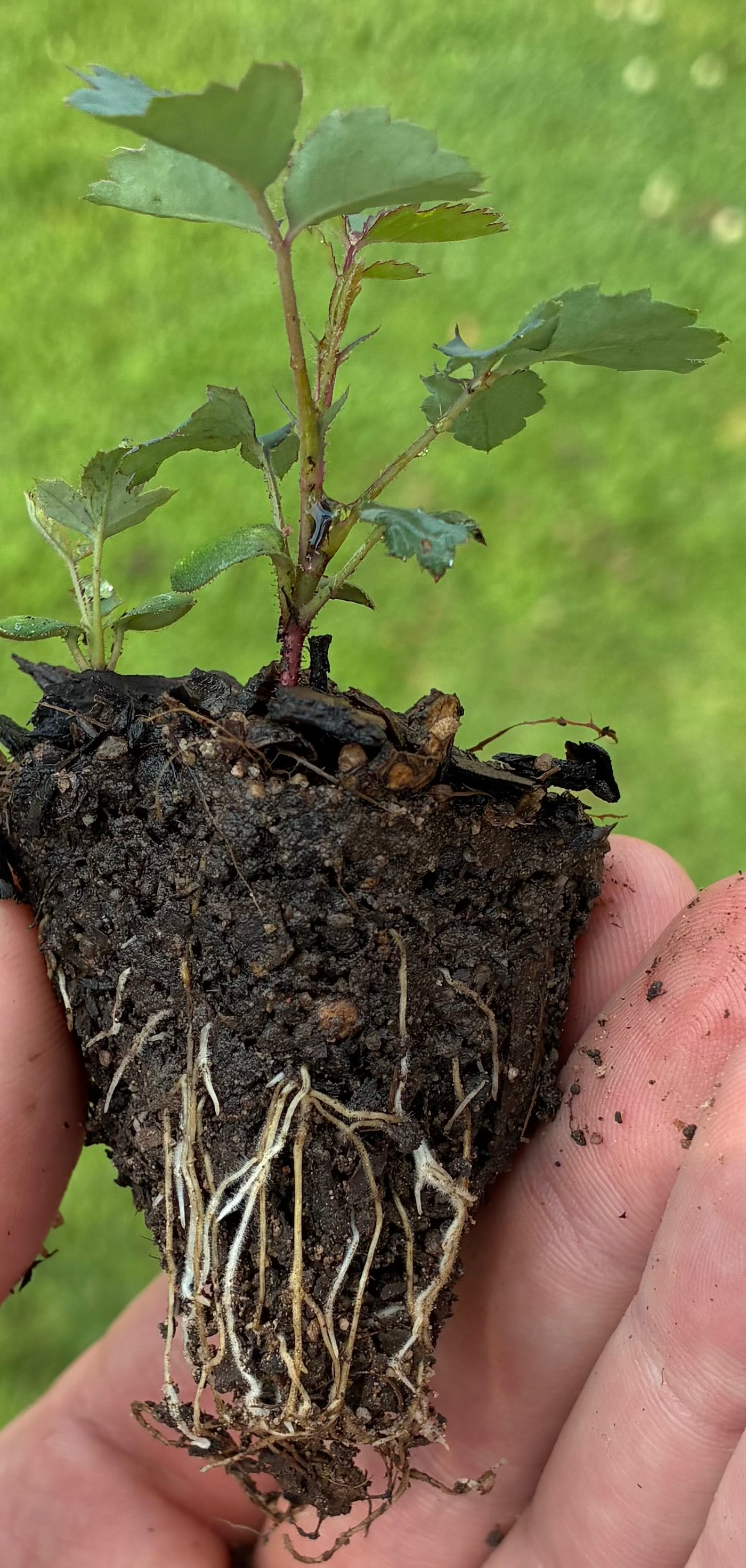
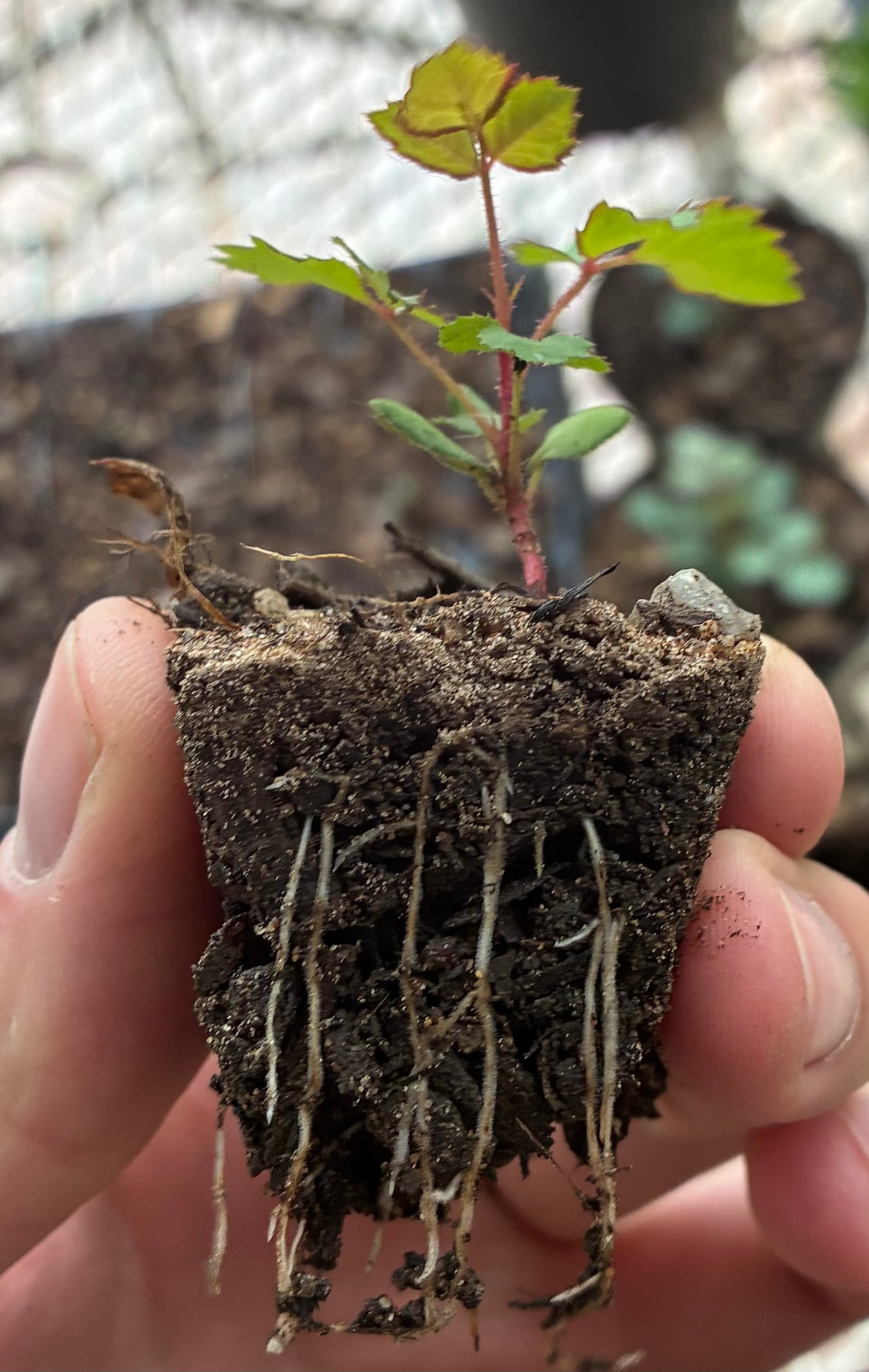
I agree, I didn’t know what to expect from HT’s or open pollinated hips but so far I’ve gotten good root growth from the majority of them.
4 Likes
A piece of advice I’d like to share with people starting rose hybridising which I learnt quite quickly in my second year of hybridising is that anybody starting hybridising should choose their seed parents well.
This sounds obvious, but when I went out and bought roses I had the assumption that on average they would all produce achenes, be it more or less. This however was not true and I think a lot of people hold this notion when they start hybridising. I only realised this after quite a few of my roses refused to set hips and/or they didn’t produce any pollen.
A good seed parent in my eyes is one that produces many achenes (and of course is healthy). The roses that produce 1 or 2 seeds per hip are still as valuable, especially to the more seasoned hybridisers among us, but for people just starting hybridising I would recommend getting something that produces a lot of achenes. The effort to pollinate a rose that produces 2 achenes or 10 or 40 achenes is the same. The only difference is that you’ll get more achenes for the same effort, and of course more seedlings eventually all things being equal.
My original list of roses looks as follows:
- Pure magic (fertile)
- Blondy (fertile)
- Rhapsody in blue (bad seed parent, pollen parent effectiveness to be seen).
- Dainfern passion (seems sterile as seed parent).
- Kardinal Kolorscape (sterile as seed parent mostly)
- Spearmint (Totally sterile).
- Breezy (Seems fertile)
- OOAC (seems fertile. Seems to produce only one achene per hip).
- Little Artist (Fertile. 1-3 achenes per hip).
- Red rosamini (Testing if it’s sterile as seed parent. Sterile as pollen parent).
- Hanneli Rupert (Seems fertile)
- Golden wings (Fertile)
- Carol Ann (Seems fertile)
- Penelope (Pollen has a high rate of aborting hips).
- Peace (Seems fertile)
- Marzipan (Seems fertile, produces few anthers).
- Stanwell Perpetual (sterile as seed parent).
- Jude the obscure (Seems fertile)
- Lady of shallot (seems fertile)
I would also like to ask that if anyone has had experience working with a rose and knows the amount (be it an average or range) of achenes it produces (and/or if it produces pollen) that they would please add that info on HMF, it could save a lot of time, funds and patience for your fellow hybridiser.
2 Likes
I have suggested, literally for decades, for those interested in raising rose seedlings, to permit the roses in their gardens to set OP hips, then teach themselves what is required to raise the seedlings using those OP seeds. You already have them and you have no real effort invested in raising them. That exercise will quickly show you which of the roses you already have set seed easily and produce viable seedlings. This can save you a good amount of time, energy and money. I completely understand @HighVeldRoseGrower 's request for those who have experience with roses setting seed to post it to HMF, however, climate makes a tremendous difference in many cases. In the hot, arid inland valleys of Southern California, Iceberg and Mermaid set virtually no hips. Moving to the chilly, damp coast along the ocean made all the difference. Iceberg resembles a fruit bush in the chilly, damp and Mermaid set MANY OP hips, a few even containing one or two seeds. Rosarium Uetersen in the arid inland formed perfect pompoms of neon poster paint coral with no sexual parts, yet when grown at the chilly coast, they are cups of soft coral pink FULL of golden stamen and anthers. I’m sure there are other examples, but these are the extremes which immediately come to mind after reading the request.
3 Likes
That’s very interesting! I knew climate affected disease resistance, but I would never have thought that it would affect reproduction. The variability in roses suprises me.
2 Likes
I contacted LR today and they advised me to lift the rose and inspect the roots. Surprisingly it hadn’t grown at all since planting and it didn’t form any new roots. The white roots seen at the bottom are from a wild onion that grew beside and underneath it.
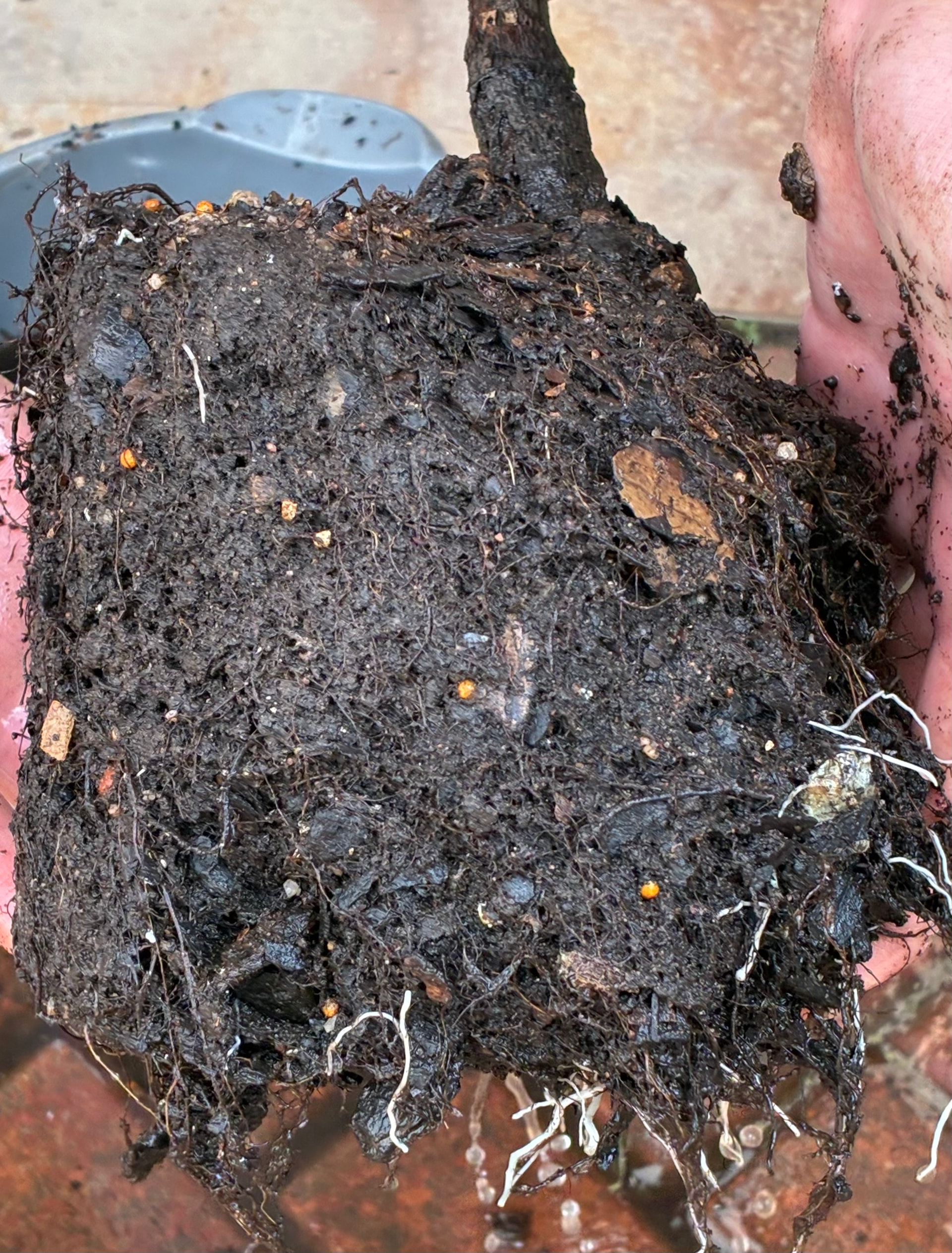
Next week I’ll go in and get my replacement.
2 Likes
I have a small collection and didn’t have a lot of pollen but I still let at least half the blooms go OP for just this reason. Also to see how easily they self pollinate. I even manually self pollinated a few of them. It’ll be interesting to see how those do.
1 Like
The other day I saw a rose that caught my eye named Scarlet Panarosa, which didn’t seem to fit the other roses being sold here. Turns out it was Linda Campbell! And after reading about Mr Moores hybridising activities any rose that I see with the breeder code MOR I now stop and pay extra attention to as I know there are interesting things going on on the genetic level with them. After reading up on its genetics I realised the rugosa genetics in it caused it to not be a good seed parent.
My biggest fear with using that method is that I buy a sterile triploid for a seed parent. I would like it if a rose is good as a seed parent and a pollen parent, but that is obviously not possible at all times.